







A fight over seeds and bees: Colorado Democrats target neonicotinoid pesticides
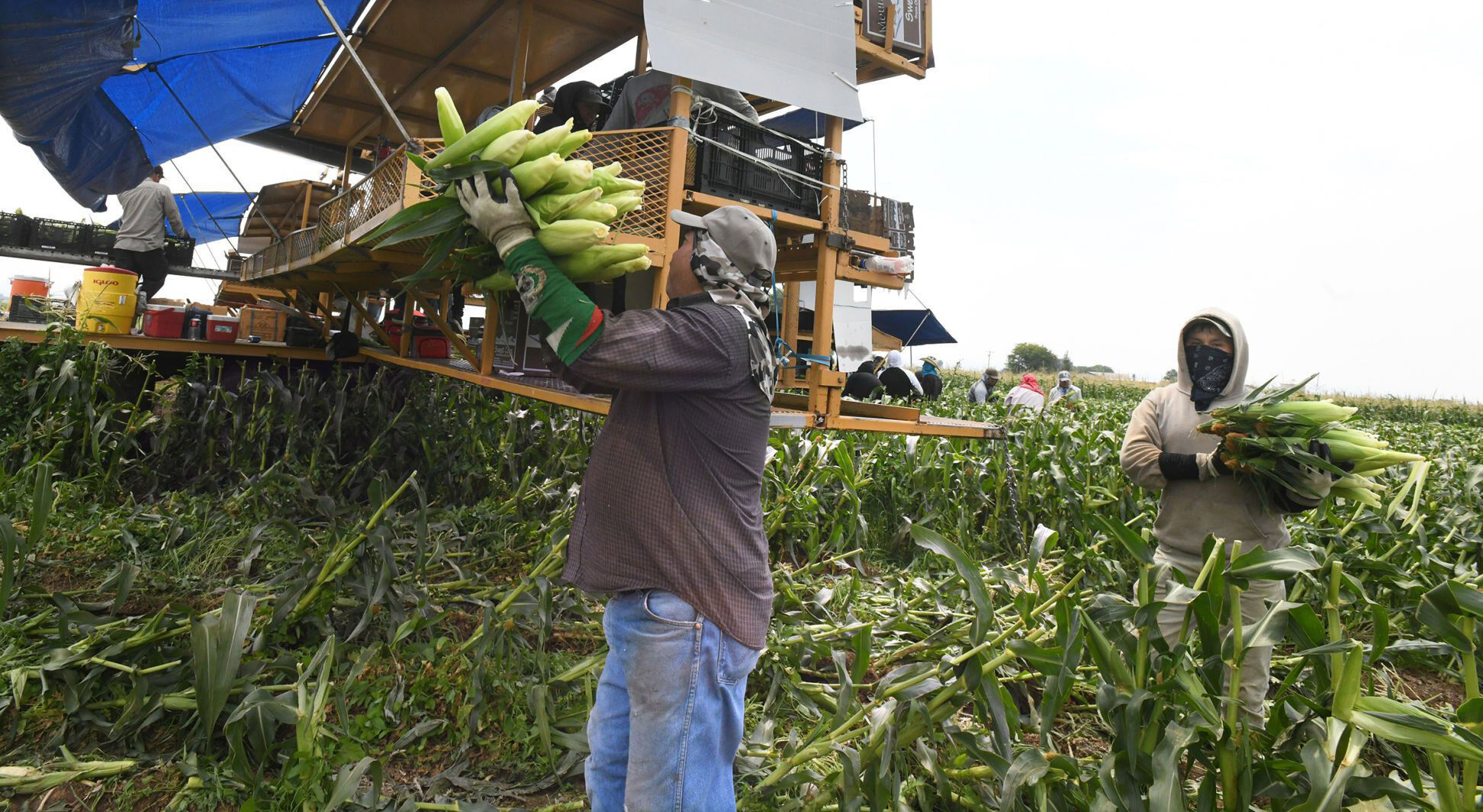
Colorado lawmakers are weighing new restrictions on a class of pesticides after Gov. Jared Polis signaled support for a Democratic-backed bill aimed at protecting pollinators — a proposal that has raised sharp worries from farmers who rely on treated seeds to protect crops from soil-dwelling pests.
The proposal contained in Senate Bill 65 would restrict the use of what’s known as neonicotinoids or neonics.
Neonics are chemically similar to nicotine. Farmers buy seeds coated with neonics as an alternative to spraying directly on the field.
Neonic “seed coatings have become near universal for major field crops over the past two decades, with treatment of corn, soy and wheat seeds,” according to the Center for Food Safety.
The center claimed that neonics are harmful to pollinators. Bees and other pollinators, the group said, are “most at risk from neonic seed treatments,” which cause disruptions to reproduction, weakened immunity and impacts to the nervous system.
Supporters: Neonics threaten pollinators, water
Those pushing the legislation proposed by Democratic Sens. Cathy Kipp of Fort Collins and Katie Wallace of Longmont pointed to a July 2025 Natural Resources Defense Council report that said agriculture is a leading source of neonicotinoid contamination in Colorado’s surface water and groundwater, particularly on Colorado’s Eastern Plains and in the South Platte River basin.
The region is the heart of Colorado’s agriculture industry — the top 10 corn and wheat-producing counties in the state are all on the Eastern Plains.
Senate Bill 65 would restrict the use of neonics for the following crops: Alfalfa, barley, canola, corn, millet, oats, rye, safflower, sorghum, soybeans, sunflowers and wheat.
It doesn’t include sugar beets, which, Wallace said, is because that crop faces persistent pests.
Colorado is first in the nation in millet production. Corn and winter wheat are among the state’s top 10 agricultural exports.
Farmers: Restrictions add risk
Neonic-coated seeds are planted in the spring, at the same time underground pests — most notably wireworms — are laying eggs and larvae are developing.

When the seeds germinate, the neonic protects the plant, making the insects “drunk and sleepy,” and they stop feeding. It’s a temporary solution while the crop is growing, as the pesticide doesn’t kill wireworms but gives the plant enough time to grow and survive.
Senate Bill 65 isn’t a ban on the pesticide, but that is of little comfort to the farmers who use neonics, according to those who spoke to Colorado Politics.
“We use the neonics to protect the growing crop from the pests in the soil,” said Brett Arnusch of Arnusch Farms, located near Keenesburg. Among the farm’s crops are barley, corn and dryland wheat, all planted with treated seeds.
“There’s nothing in the marketplace to protect our crop from wireworms,” Arnusch said. “If this bill passes, how would we protect our crop? I don’t have that answer. There isn’t another option in the marketplace.”
A farmer tries to control the risks, which includes pests, weeds and weather, he said. If the farmer can’t control the pests, that translates to a 100% risk, he said.
The result from those risks include lower crop yields, and any reduction in yields impacts the bottom line, especially where the market is today.
“The cheapest insurance policy we can give ourselves is to plant with treated seeds,” he said, calling it a a very cheap insurance policy.
The bill adds add restrictions on neonics. The biggest — and one that worries farmers — is that in order to gain approval to buy neonics (one year at a time), the farmer must use what the bill calls a “third-party verifier.”
That person, to be approved by the Department of Agriculture, would conduct a pest risk assessment and submit a report. If the verifier says it’s OK for the farmer to use a treated or coated seed, the person would issue a one-year certificate. It also doesn’t provide a timeline on how quickly that verification could be completed.
The farmer would have to pay for that assessment every year, which could also impact the bottom line. The bill doesn’t say how much that would cost.
Wallace told Colorado Politics that proponents intend to amend the bill to address that issue.
Questions over implementation and available expertise
Don Brown, a third-generation farmer in Yuma County and the former commissioner of agriculture under former Gov. John Hickenlooper, said he has concerns with the bill — in particular on the third-party verifier.
It’s a matter of timing, Brown, who grows corn, among other things, said. Corn matures at different times, depending on the seeds’ genetic makeup. A farmer will order seeds after harvest in November and December. That’s when a farmer would have to decide whether to order treated or untreated seed.
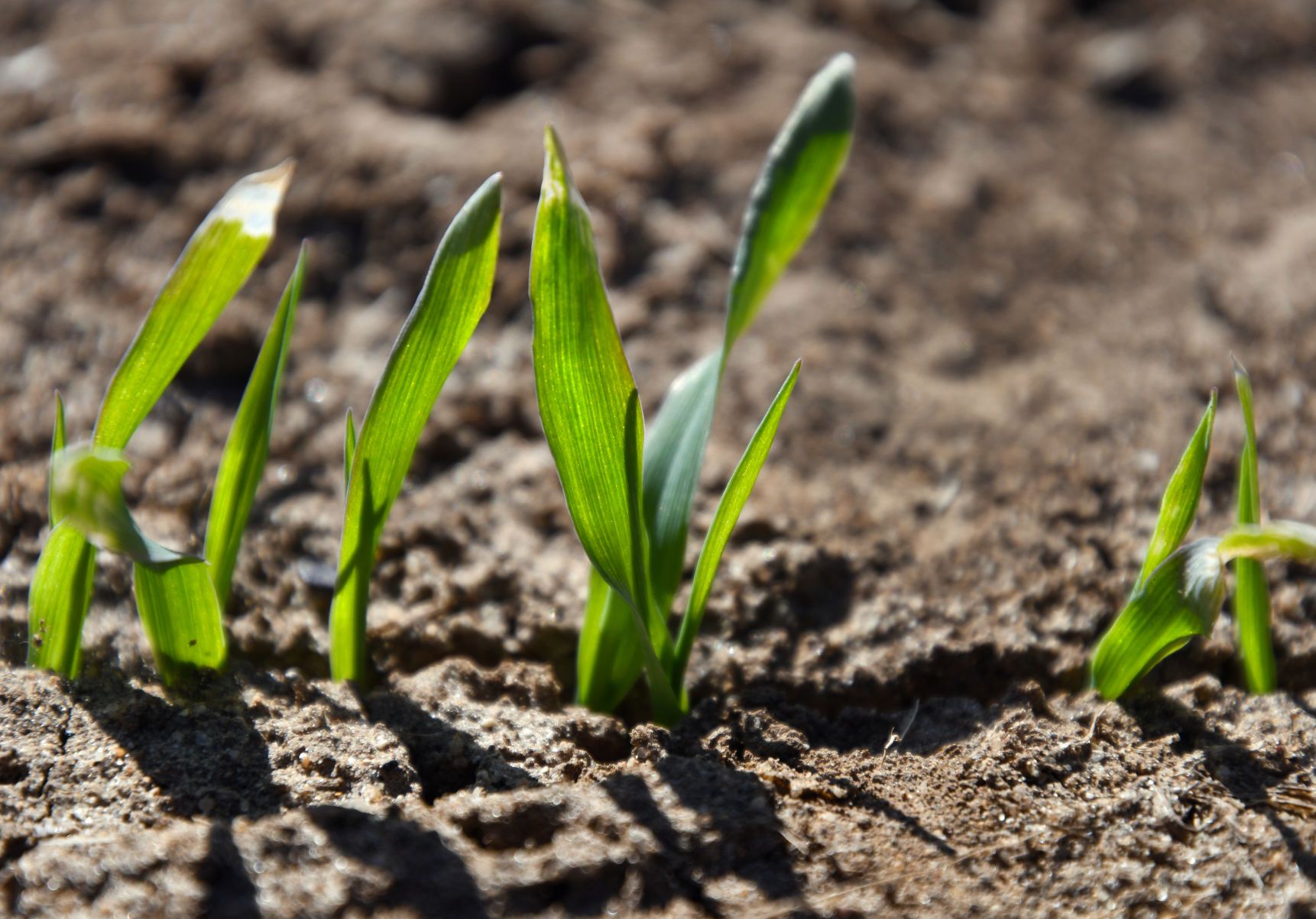
But a farmer won’t know until spring what kind of insect pressure the crop will face, and the third-party verifier might not come out until the spring. Whether there’s going to be wireworms in the spring is more than likely, as one study said wireworms have a life span of two to 10 years from egg to adult.
A farmer might pick a certain kind of corn seed in the fall for a certain part of the field. Here’s Brown’s worry: The verifier shows up in the spring, says, “You don’t have a problem,” and denies the farmer the treated seed he or she has already purchased.
By then, the alternative seed might not be available, let alone have time to get it shipped in, Brown said.
“I don’t know when they plan on checking” if there’s enough pressure — eggs or larvae — because survival rate during the winter depends on factors, such as excess moisture, freezing or dryness, he said.
The verifier should be checking no more than a few weeks before planting, Brown said. There will be thousands of acres to check in a very narrow window of time, farms ranging from an acre to 5,000 acres, he said.
Wallace told Colorado Politics the verifier would need to meet with the farmer before the latter buys the seed. The farmer would not be able to buy the seed before being verified, she said.
Brown also questioned whether the Department of Agriculture will be able to find enough third-party verifiers — people with expertise in entomology — to satisfy the demand.
According to the most recent U.S. Census of Agriculture, there are 3,856 farms in Colorado that grow crops identified under SB 65.
Brown said the amount of neonics that stay in the corn plant until the “tassle” phase is minimal and is not enough to harm bees. Arnusch noted that bees don’t pollinate wheat — those crops are self-pollinators and do so through wind. Meanwhile, bees are not a factor in corn pollination, as corn is largely self- or wind-pollinating.
Farmers say spraying isn’t a solution
Once a wireworm gets into a crop, it devastates it, Brown said, adding the farmer has to replant, which is costly.
Neonics are necessary during the germination phase, Brown said. Without treatment, as the seed germinates, the wireworm drills into it and kills it. A typical acre of irrigated corn will produce about 34,000 plants, and wireworms could cut that population in half, he said.
Spraying won’t help because it doesn’t get into the soil soon enough to get to the wireworm. If a farmer sprays, or hires someone to do it, it will take an enormous amount of chemicals applied over the entire field to react to the insects, with limited, if any, success, he said.
Neil Wicke of the Colorado Agricultural Aviation Association said applicators have options, but it’s better to get to the pests before they get out of the ground.
“From a selfish standpoint, I’d love more acres to be treated by airplane, but as a steward of pesticide chemistry, we need all the tools in the toolbox to stave off resistance to those chemistries. Our options are becoming more limited in the types of pesticides we can use in an airplane,” he said. “Eliminating the limited options we have, I would worry about what that does to our abilities to take care of these crop pests.”
To solely rely on spraying would be irresponsible, Wicke added.
Wallace offered answers to the worries. As for the number of third-party verifiers, she said she believes there will be enough if they can rely on the Colorado State University Extension Service.
“We are committed to working with farm bureaus and other locals who are already on the ground,” she said.
This is already being done in New York and Quebec, she said. It will be up to the Department of Agriculture, through rulemaking, to determine that.
Beekeepers: The bees are dying
Corey Kreft of Rocky Ford, a beekeeper, said the bees are dying. That situation forces him to ship bees to North Dakota and leave only enough bees to pollinate the melons. He is no longer able to produce honey as a result, he said.
Native bees get pollen from contaminated groundwater and soils, and that’s been devastating, he said.
“We lose 85% of our bees every year because of this,” he said, adding that no rancher could ever afford to lose 85% of their livestock or a farmer 85% of their crop.
“It’s pushing us away from wanting to be beekeepers,” he said.
In southeast Colorado, he said, salespeople sell only one kind of seed.
“I don’t believe all seeds need to be treated” with neonics, Kreft said.
He said farmers who use neonics need to change their practices and learn to do something different.
Meanwhile, Allison Johnson of the Natural Resources Defense Council disputed that the timing would be a problem.
She noted the bill’s implementation date of Jan. 1, 2029 and that regulations will need to be in place in 2028. That gives a farmer plenty of time to work with the verifier during the winter of 2028, she said.
Johnson said her data shows that wireworms won’t kill crops that haven’t been treated with neonicotinoids.
As for the cost, whether it’s for the verifier or loss of crops, she acknowledged farmers are struggling. In Colorado, however, many farmers growing pollinator-dependent crops are suffering, she said, noting that most of the crops Coloradans eat are being affected by neonicotinoids.
She said the overuse of neonicotinoids is driven by corporate seed companies, which have a profit interest, and that seed treatments undermine yields by threatening soil health and killing beneficial predators. It’s not a given that a seed treatment is helping the farmer’s yield, she said, arguing it is either a harm it or “net zero.”
Will Frost of El Paso County, who grows organic vegetables, beef, lamb, and honey, said his issue with neonics is that they end up in groundwater and topsoil. The pollinators pick that up, and it ends up in the hives. His native pollinators have been declining for the last five years because of this, he said, noting the food he sells — squash, cucumbers and tomatoes — are all bee-pollinated.
He couldn’t get squash to grow last year, he said. In the past, he used to be able to harvest 500 pounds every three days. Last year, it was 500 pounds a month, he said.
His beekeeper quit after losing 60% of his hives, he added.
“I’ve never seen such a quick reaction to the loss of pollinators,” Frost said.
He agreed that the farmers who grow corn will need consistent production, but said he hopes that farmers in his area will choose to use untreated seed.
“I have to drive three and a half hours to find untreated alfalfa,” Frost said, pointing out that the proposed legislation is not a full ban and calling it a “good middle ground – if you need it, use it, if you don’t, don’t use it.”
It’s not the first time the Colorado General Assembly has tackled neonics. In 2023, the governor signed a bill into law that would restrict the sale of neonics to licensed dealers. In 2024, Democrats tried to allow local governments to decide which pesticides could be used within their county boundaries. That bill never made it out of the House.
Kipp was a sponsor of both bills.
In his state address last month, the governor signaled his support for the legislation this year: “We are also stepping up to support our pollinators, the workhorses of our ecosystems who are responsible for one in three bites of food we eat.”
SB 65 will be heard by the Senate Agriculture and Natural Resources Committee on Feb. 26.