







Colorado River Compact turns 100
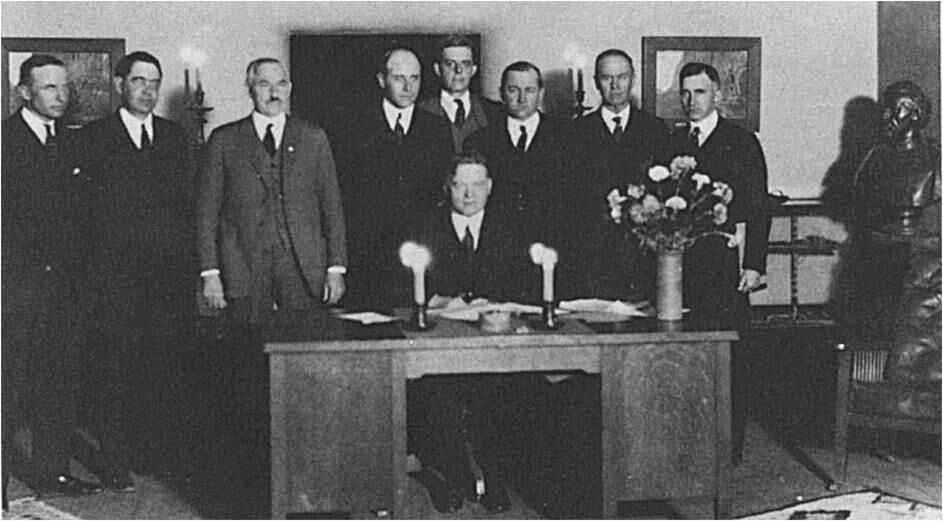
COURTESY OF THE WATER EDUCATION FOUNDATION
Seven states signed the historic Colorado River Compact a century ago this week.
The Compact provided a framework for fair sharing of the then-estimated 17.5 million annual acre-feet of water flowing past Lee Ferry, Arizona, located between Glen Canyon National Recreation Area and the Grand Canyon.
Colorado Democrats cheer climate, health care bill at White House as GOP brandishes inflation report
The agreement has been hotly debated in 2022 as drought conditions have greatly depleted the river’s water supply.
“Most of the Basin states were anxious about securing their share of the Colorado River but could not agree on how to allocate the river among themselves,” according to the Water Education Foundation.
The river today serves more than 40 million people with water for agriculture, electricity generated by the Glen Canyon and Hoover Dam power stations, as well as habitat conservation and recreation. The Compact divided it into the Upper Basin — comprised of Colorado, New Mexico, Utah and Wyoming — and the Lower Basin, comprised of Arizona, California and Nevada.
The historic flows have varied from 4.4 million acre-feet to more than 22 million acre feet annually, sometimes making it impossible to meet the 7.5 million acre feet allotted to the upper and lower basins.
In 1922, California’s population was a smidgeon under 4 million, and upstream states were worried that — under the doctrine of prior appropriation — California might lay claim to the lion’s share of water that was the mainstay of agriculture in Colorado and downstream states.
Colorado’s population in 1922 was just over 1 million. Today Colorado has 5.8 million people and California has 39.2 million, just shy of eight times Colorado’s population.
Denver Gazette hosts symposium on Colorado River challenges
In January 1922, the Colorado River Commission convened in Washington, D.C. Herbert Hoover, then-Secretary of Commerce who was later elected president in 1929, was its chairman. No agreement was reached at that meeting.
In June 1922, the U.S. Supreme Court ruled that whoever used the water first had the first right of use in perpetuity, regardless of state lines, even if there was insufficient water to serve everyone.
Pressured by the Supreme Court ruling, delegates met again beginning Nov. 9, 1922 in New Mexico and eventually hammered out the Compact. It was signed at the Palace of the Governors in Santa Fe on Nov. 24.
In the ensuing century, the river has been dammed, divided and diverted to the extent that today little water — sometimes no water at all — eventually ends up in Mexico. The Mexican Water Treaty of 1944 allocated only 1.5 million acre feet of water annually from the Colorado River.
Today, the river is in greater peril than it has been in more than a thousand years due to an unprecedented 23-year drought that continues to sap flows year after year, imperiling the Compact as states jockey for water.
The U.S. Department of the Interior recently stepped in and called for more cooperation between the Compact states, warning that water levels in Lake Mead and Lake Powell are so low that power generation may have to be curtailed. That would devastate the Lower Basin states and particularly 12 cities in the Los Angeles area, which get roughly 56% of the electricity generated by the Hoover Dam.
Royal Gorge Whitewater Festival returns — and 'it just won't stop growing'


Greeley-based Alquist emerges as leading 3D construction printing company
Hap Fry, Special to The Gazette
hap-fry@gazette.com
Updated 16 hours ago
GREELEY • One might say that Zachary Mannheimer is a bit of a riverboat gambler — a calculated one, though. As founder and chairman of Greeley-based Alquist 3D, Mannheimer didn’t follow the most conventional path into the world of 3D...

Hap Fry, Special to The Gazette
Reporter
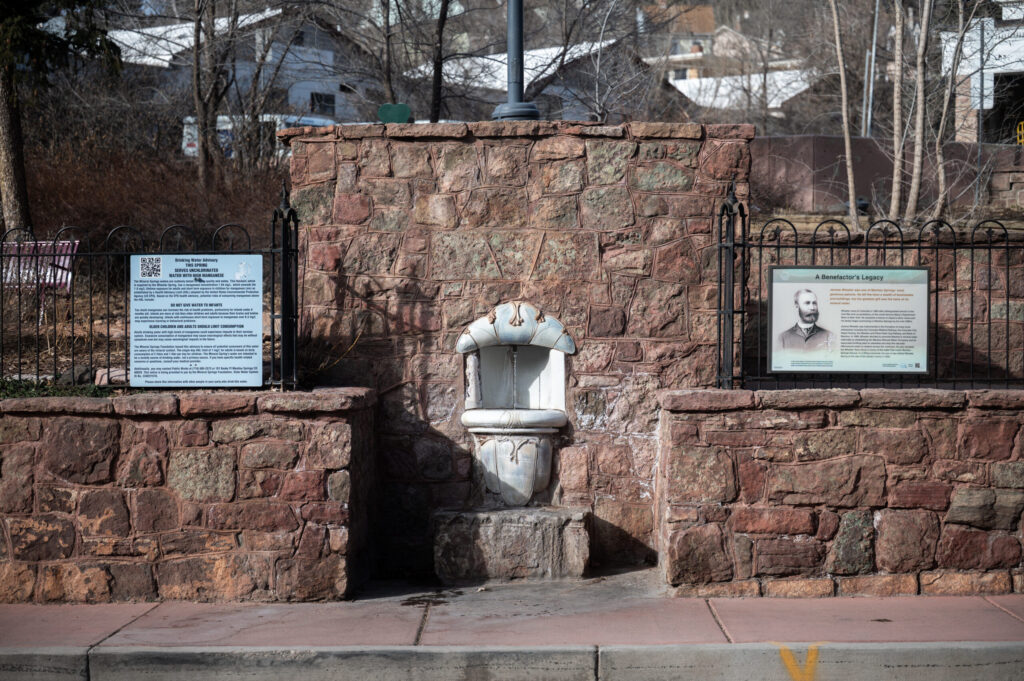
Supermarket chain H Mart hopes to revive mineral water bottling in Manitou Springs
Savannah Eller
savannah-eller@denvergazette.com
Updated 1 day ago
A major U.S. grocer has acquired the vestiges of a historic industry in Manitou Springs with the hope of bringing it back to life. H Mart, an Asian supermarket chain based in New Jersey with nearly a hundred locations across...

Savannah Eller
Reporter

Ken Salazar donates archives to Borderlands project, hoping history helps unify country
Vince Bzdek
vince-bzdek@denvergazette.com
Updated 17 hours ago
About the same time the Pilgrims were setting up shop 400 years ago in Plymouth, Ken Salazar’s family was scratching out a toehold in what is now New Mexico, helping to establish the city of Santa Fe. The Salazars had...

Vince Bzdek
Reporter

HF Sinclair gives state regulators preliminary report on contaminated fuel incident
Dennis Huspeni
dennis.huspeni@gazette.com
Updated 2 days ago
HF Sinclair has provided regulators with the state’s Division of Oil and Public Safety a preliminary report on the cause of the Jan. 7 contaminated fuel fiasco that impacted more than 1,000 motorists, but the investigation is still weeks from...

Dennis Huspeni
Reporter
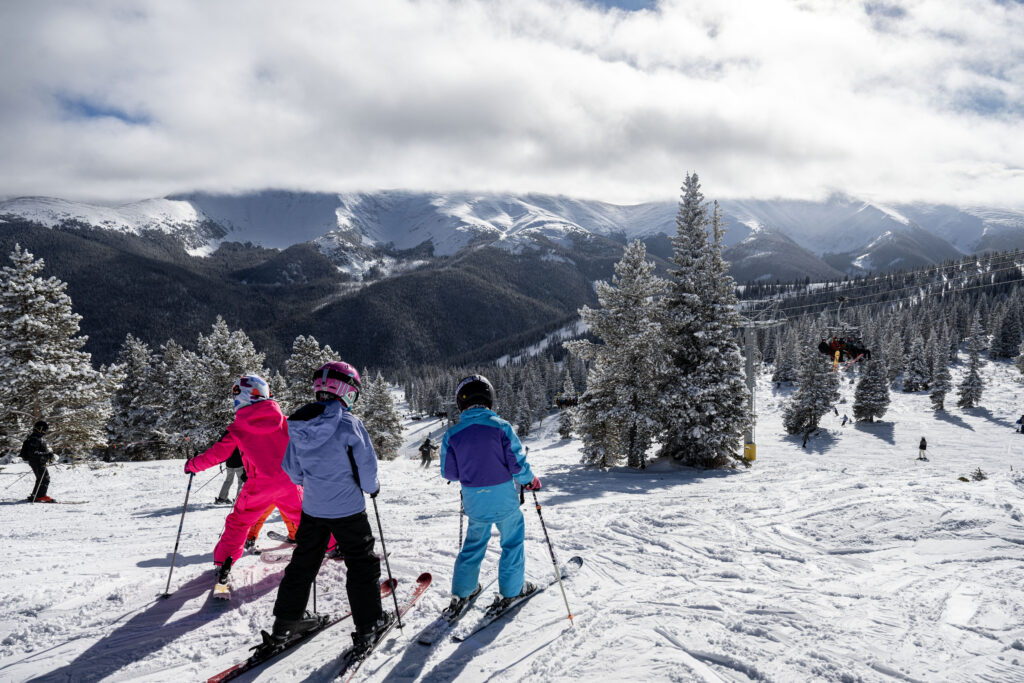
Mountain resorts feel the pinch as brokers pray for snow
Mark Samuelson
mark-samuelson@denvergazette.com
Updated 2 days ago
As Colorado’s mountain resorts headed into the holiday weekend hoping for more white stuff, brokers in those markets were lamenting the effect of a dry winter on real estate sales. “We’ve seen the impact from the lack of snow for...

Mark Samuelson
Reporter

Push to regulate high concession prices in Colorado could hurt vendors, critics warn
Bernadette Berdychowski
bernadette.berdychowski@denvergazette.com
Updated 14 hours ago
High food and drink prices have long been a staple of going to a sports game, concert, festival or the airport. But as inflation has increasingly pinched people’s wallets, pushback against higher concession prices is growing. The issue has reached...

Bernadette Berdychowski
Reporter

9NEWS compared food prices inside and outside Denver’s airport
9News
9news@denvergazette.com
Updated 2 days ago
By Steve Staeger, Anna Hewson Every business that sells products inside Denver International Airport is subject to a policy little known by the public – an attempt to keep prices down for the passengers traveling through. Items inside the airport...

9News
Reporter

Restaurants take Girl Scout cookies to a new level | NONPROFIT REGISTER
Joanne Davidson Special to Colorado Politics
joanne-davidson-special-to-colorado-politics@denvergazette.com
Updated 3 days ago
GIRL SCOUTS OF COLORADO Denver News: Girl Scout Cookie season is in full swing, and Girl Scouts of Colorado CEO Leanna Clark is once again pleased to announce that enjoyment of the sweet treats can be enhanced by dining at Denver’s...

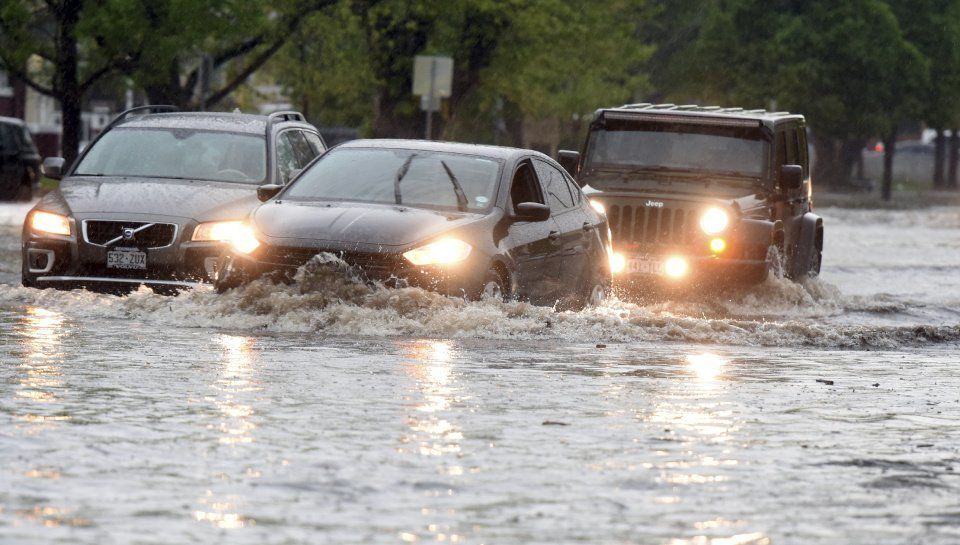
Hail drives up to 54% of homeowners’ insurance premiums in parts of Colorado
Marissa Ventrelli
marissa-ventrelli@denvergazette.com
Updated 1 day ago
Hail is the largest cost driver of homeowners’ insurance spikes in many parts of the state, according to data collected by the Colorado Division of Insurance. The department requested data from 20 homeowners’ insurance carriers to calculate average premiums and...

Marissa Ventrelli
Reporter
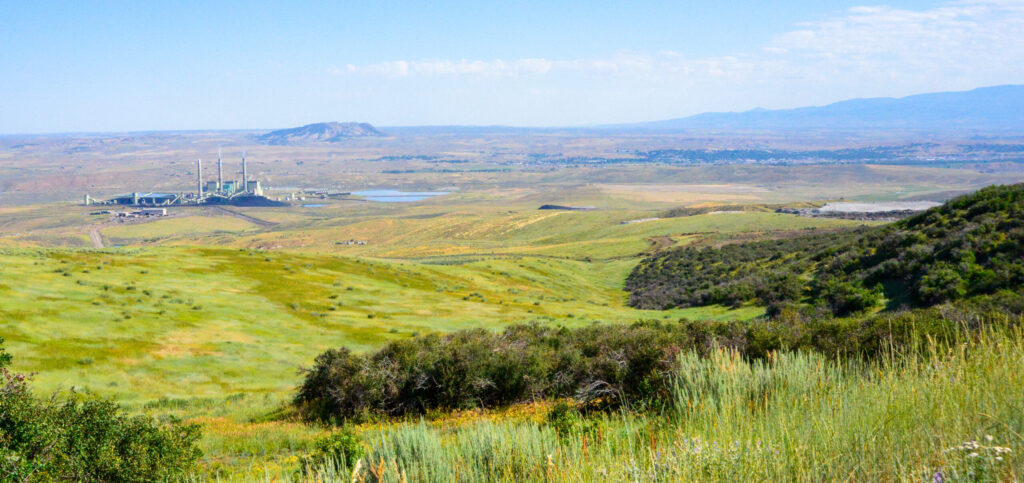
CU Boulder, state launch economic research in coal-transition areas
Scott Weiser
scott-weiser@denvergazette.com
Updated 3 days ago
Communities in northwest Colorado built on coal mining and power plants are losing hundreds of high-paying jobs and a major share of their tax revenue as operations wind down. In a yearlong effort, the University of Colorado Boulder is teaming...
Scott Weiser
Reporter
PREV
PREVIOUS

Colorado Springs breweries join forces for day-long Club Q fundraiser
Visit your favorite area craft brewery on Saturday, and odds are a portion of your tab will help support survivors and victims of the Nov. 19 mass shooting at Club Q. More than 20 local breweries have signed on to participate in the “Brews for Q” fundraiser, agreeing to pass on part of the day’s […]
Black Friday shopping sees big sales, little early morning rush
Long gone are the early-morning lines and crowds rushing to get the best bargains first, but Black Friday still drew its share of in-person shopping at Denver area shopping centers. Consumers have moved away from the traditional Black Friday extravaganza and shifted priorities on where they are spending their money, according to a recent report from […]