








Preliminary hearing for man accused of Sylvia Quayle’s 1981 murder set for July
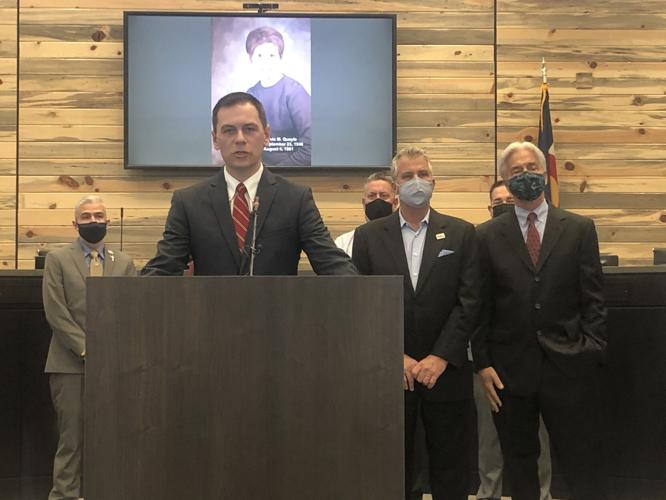
Julia Cardi/The Denver Gazette
The potential evidence in the case of a man accused for the 1981 murder of Sylvia Quayle has grown to more than 25,000 pages, his defense attorneys said in a court hearing Friday.
Arapahoe County District Court Judge Darren Vahle set a preliminary hearing for 8:30 a.m. on July 19.
Prosecutor Christopher Gallo said he plans to call one or two witnesses for the preliminary hearing, at which Vahle will determine whether there is enough evidence for the first-degree murder charge against David Dwayne Anderson, 62, to go forward.
Vahle set a May 7 deadline for the prosecution to produce an early list of possible witnesses for Anderson’s defense attorneys, which public defender Laura Knopp said is necessary for them to find the witnesses, determine who is still alive and vet potential conflicts of interest
“Obviously there are going to be difficulties here. There’s a good possibility that a number of the witnesses from [40] years ago will not be alive or will not be able to be found easily,” Vahle said at Friday’s hearing. He asked Gallo to provide available dates of birth and contact information to Anderson’s defense attorneys.
Despite the case’s volume of discovery, Judge Darren Vahle has showed continued reluctance to allow long delays in between court dates because the case is already 40 years old.
Anderson is also represented by public defender Sarah Rockefeller.
Prosecutors have charged Anderson with first-degree murder in connection with the murder of Quayle, 34 at the time, in Cherry Hills Village. Authorities arrested Anderson in February in Cozad, Nebraska, where he was living.
Man charged with first-degree murder for Sylvia Quayle's death in 1981
Quayle’s father found her dead in her bedroom. She had been stabbed, shot and sexually assaulted, according to an autopsy report.
If convicted, Anderson will face the penalty for murder from 1981, life in prison with the possibility of parole after 20 years. First-degree murder now carries a maximum sentence of life in prison without the possibility of parole.
A DNA profile for a male was developed in 2000 by the Colorado Bureau of Investigation from evidence collected at the crime scene and kept in the FBI Combined DNA Index System, according to Anderson’s arrest affidavit.
DNA from Anderson on a vanilla Coke can in his trash collected by a United Data Connect investigator provided enough to develop a DNA profile, which matched evidence found at the crime scene.
Denver Metro Crime Stoppers and United Data Connect, a company that uses DNA to solve cold cases, played roles in helping the Cherry Hills Village Police Department solve Quayle’s death.
Police opened the case to United Data Connect and Denver Metro Crime Stoppers in January 2020.
Quayle graduated from Englewood High School and worked at an architectural firm, remaining close to her sister and parents. She also opened a cake bakery called The Buttery.
Quayle’s sister and brother-in-law have been in touch with police throughout the investigation. However, her mother and father both died before any arrests in the case.
Man charged with first-degree murder for Sylvia Quayle's death in 1981


Mark Kiszla: Frauds? That’s the wrong F word. Broncos flawed in ways that must be corrected to win Super Bowl
Mark Kiszla
mark-kiszla@denvergazette.com
Updated 2 hours ago
Nothing irks Broncos Country like the F word. Frauds? That’s a fighting word, pal. Quarterback Bo Nix and company are definitely not frauds. They’re one victory lap against the no mas Chargers from earning the No. 1 seed in the...

Mark Kiszla
Reporter
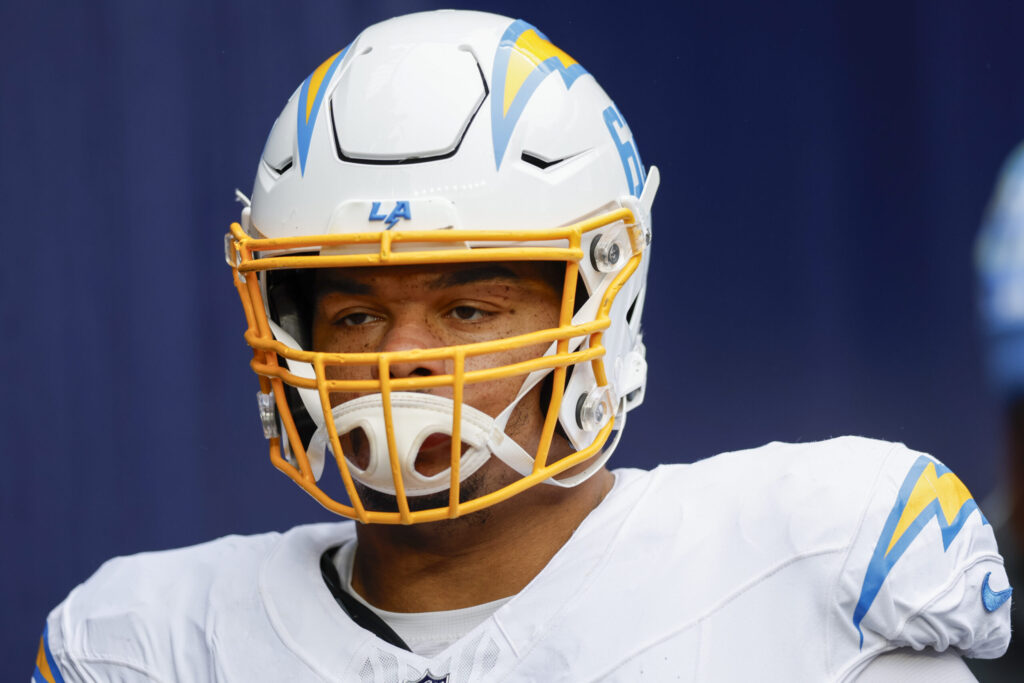
Center Sam Mustipher comes ‘full circle’ in return to Broncos after being released in 2024
Chris Tomasson
chris.tomasson@gazette.com
Updated 3 hours ago
On April 4, 2024, after the Broncos lost starting center Lloyd Cushenberry in free agency, they signed veteran Sam Mustipher, a former starter with Chicago. Many thought Mustipher would end up being the Broncos’ starter in 2024 since the two...

Chris Tomasson
Reporter
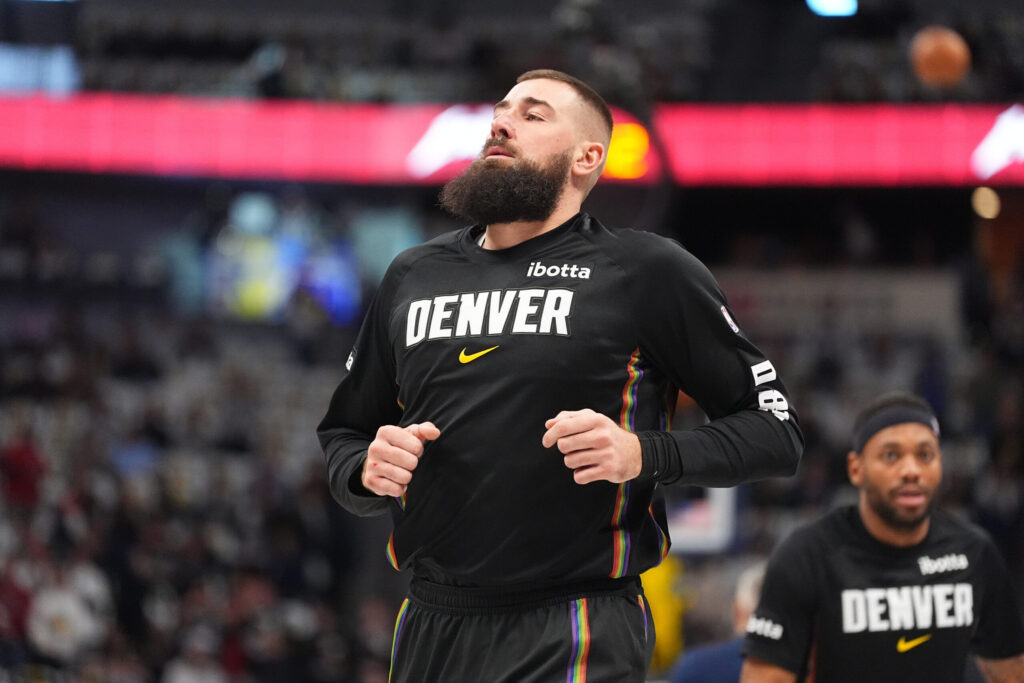
Nuggets’ Jonas Valanciunas out at least four weeks with calf strain
Vinny Benedetto
vinny-benedetto@denvergazette.com
Updated 3 hours ago
The Nuggets will be without a true center for the foreseeable future. Jonas Valanciunas will be reevaluated in four weeks after sustaining a right calf strain in Wednesday’s win in Toronto. The injury comes a couple of days after Nikola...

Vinny Benedetto
Reporter

Why Denver is focused on ‘caging’ Chargers QB Trey Lance in Week 18 | Broncos notebook
Kyle Fredrickson
kyle-fredrickson@denvergazette.com
Updated 3 hours ago
ENGLEWOOD — Sean Payton is not concerned about sack totals. The Broncos coach made it clear when confronted with an unusual reality. Outside linebacker Nik Bonitto has not sacked the opposing QB in three consecutive weeks. He sits at 12.5...

Kyle Fredrickson
Reporter

Olympics snubs reveal special relationship between Avalanche goaltenders | NHL Insider
Evan Rawal
evan-rawal@denvergazette.com
Updated 1 hour ago
Both Mackenzie Blackwood and Scott Wedgewood were disappointed they didn’t make Team Canada. Was each man more disappointed for himself — or for his goaltending partner? That’s not as clear. And that’s what makes the relationship so special. “He probably...

Evan Rawal
Reporter
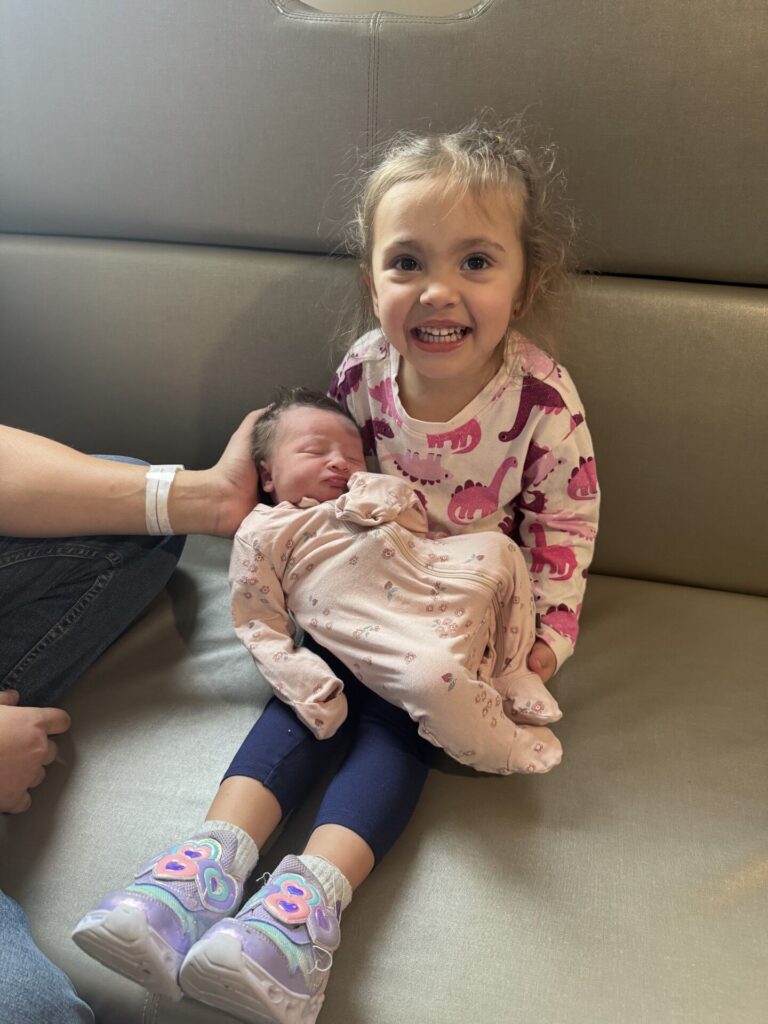
New year, newborn: Colorado’s New Year’s baby arrives just after midnight
Sage Kelley
sage-kelley@denvergazette.com
Updated 3 hours ago
Just moments after the fireworks died down and the champagne stopped pouring, the Denver metro welcomed its first baby of 2026. Eliza was born at AdventHealth Castle Rock at 12:21 a.m. Thursday morning, making her the likely first baby born...

Sage Kelley
Reporter
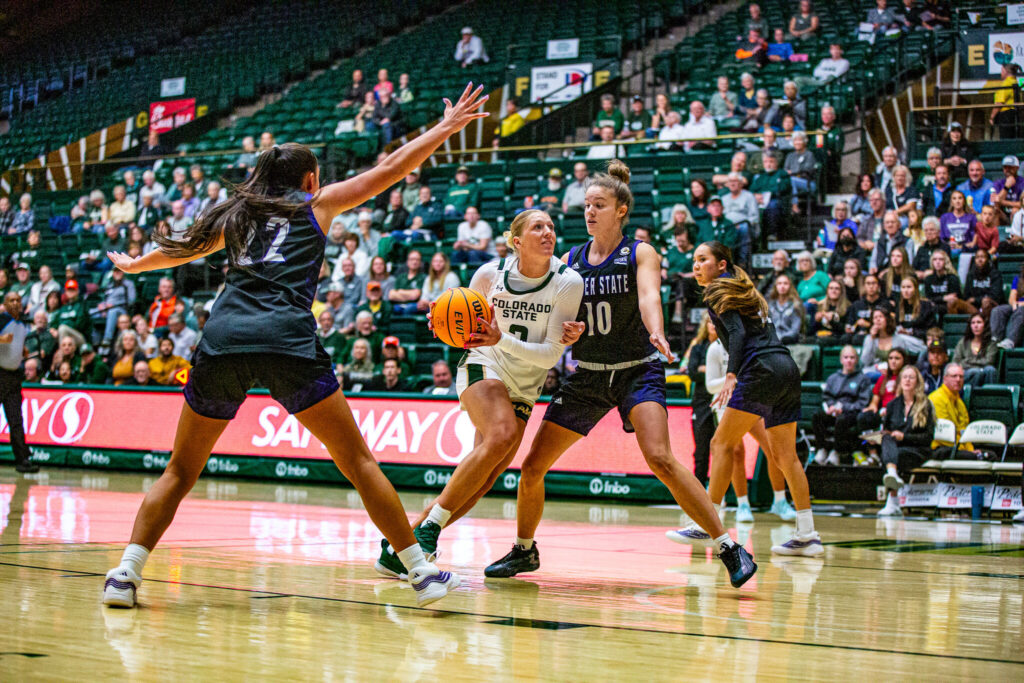
Colorado State women stay unbeaten in Mountain West with win over Grand Canyon | Colorado Sunshine
Paul Klee
paul-klee@denvergazette.com
Updated 10 hours ago
Where good news shines Colorado State women’s basketball closed out 2025 with a win. The Rams beat Grand Canyon 61-47 at Global Credit Union Arena in Phoenix on Wednesday. It marked CSU’s 12th-straight road win, the third-longest streak in the...

Paul Klee
Reporter
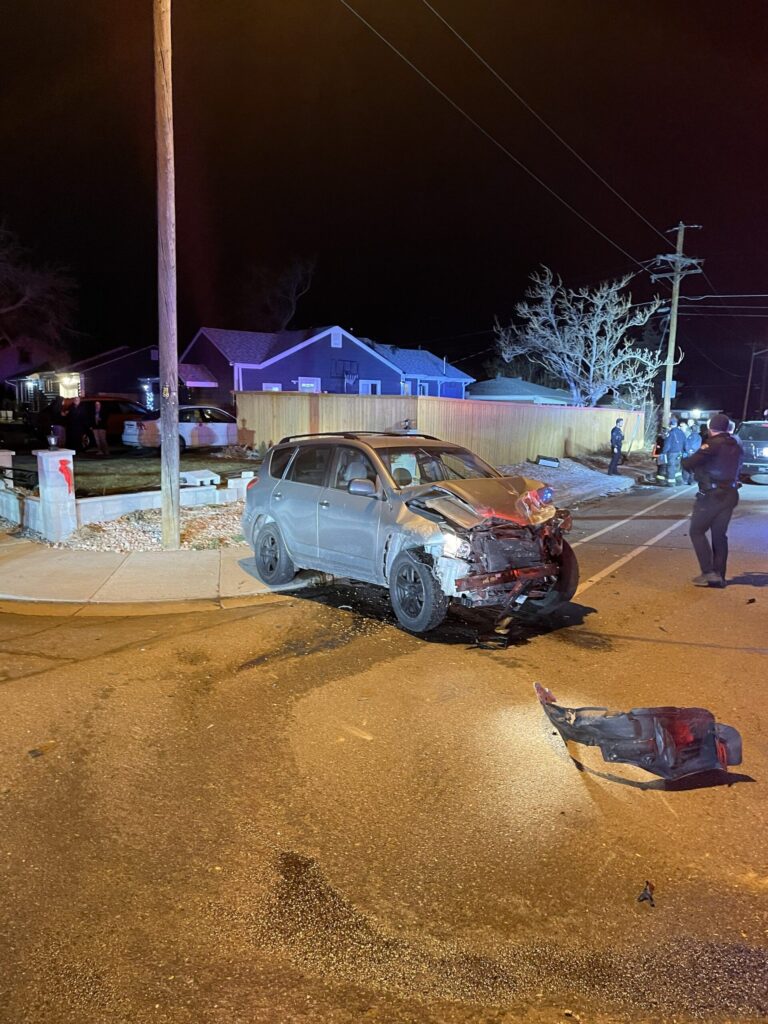
Alleged drunk driver crashes into Aurora K-9 vehicle, dog safe
Sage Kelley
sage-kelley@denvergazette.com
Updated 1 hour ago
A 50-year-old man allegedly crashed into an unmarked K-9 vehicle in Aurora on New Year’s Eve while intoxicated, leading to his arrest. Victor Balderas-Castellanos crashed into an unmarked Aurora police vehicle with a K-9 officer inside around 8 p.m. Wednesday...
Sage Kelley
Reporter
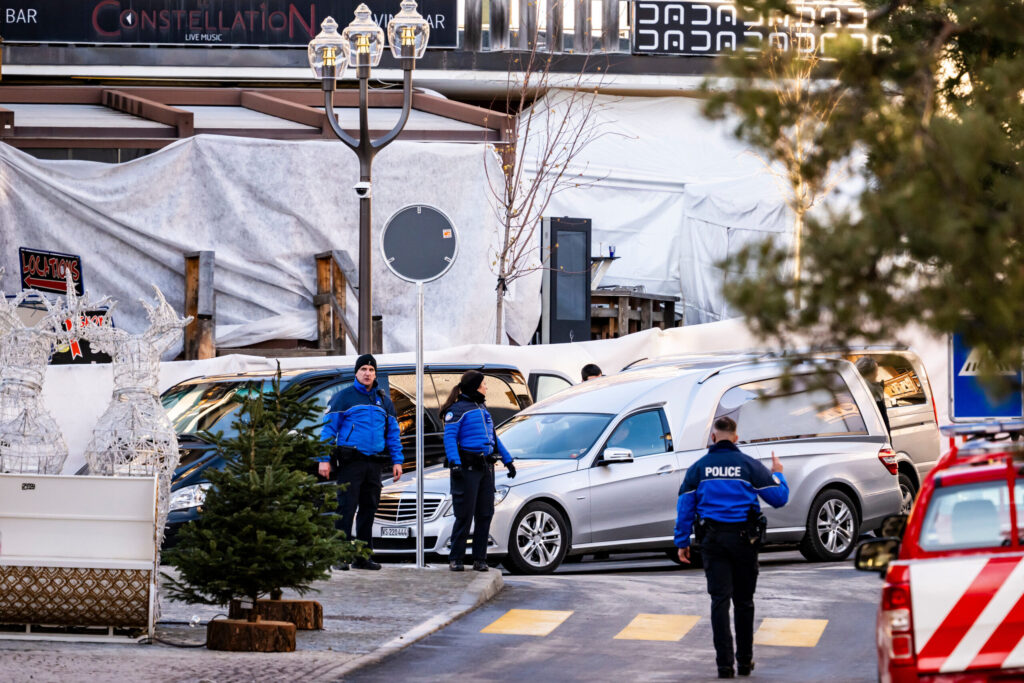
About 40 people dead and 115 injured in fire at Swiss Alpine bar during New Year’s celebration
Jamey Keaten
jamey.keaten@associatedpress.com
Updated 10 hours ago
CRANS-MONTANA, Switzerland (AP) — About 40 people were killed and another 115 injured, most of them seriously, after a fire ripped through a bar’s New Year celebration in a Swiss Alpine resort less than two hours after midnight Thursday, police...

Jamey Keaten
Reporter
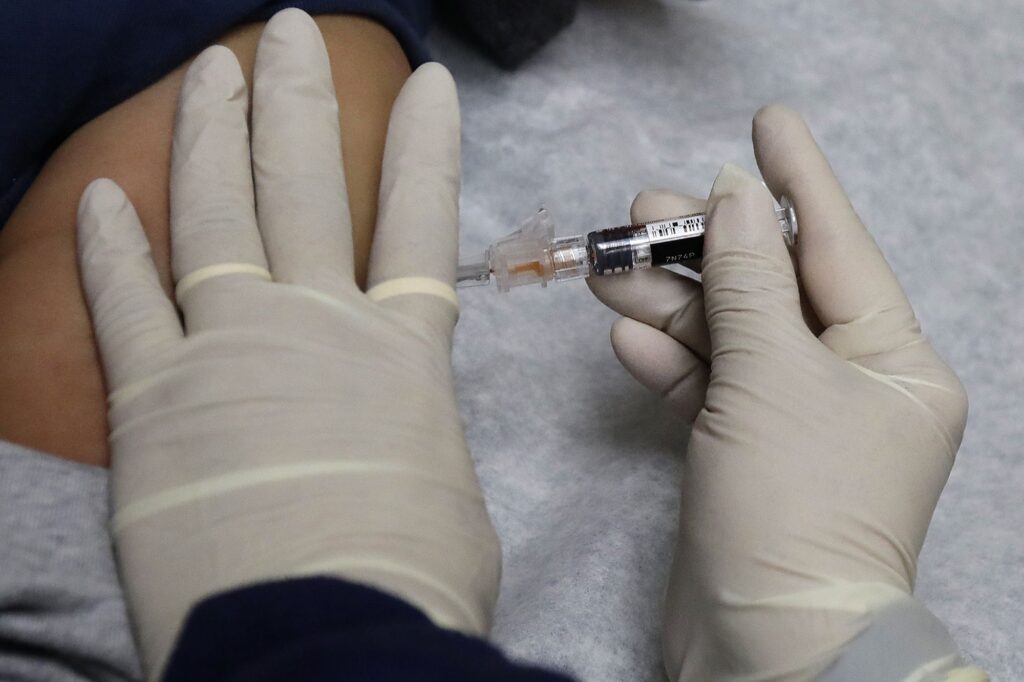
Colorado experiences record number of flu hospitalizations
Stephanie Earls
stephanie-earls@denvergazette.com
Updated 4 hours ago
With almost 800 hospitalizations statewide last week, Colorado is in the throes of its worst flu surge in almost a generation, less than midway through a season of sickness doctors say they worry hasn’t yet bared its full fangs. “We’ve...

Stephanie Earls
Reporter