







Federal task force recommends cabinet-level agency on water
Parker Seibold, The Denver Gazette
A presidential council focused on infrastructure has released a draft report calling on the Biden administration to set up a cabinet-level agency on water, with the Colorado River crisis as one of the major drivers.
In its report, the President’s National Infrastructure Advisory Council called for a Department of Water or “some other entity that stewards water at the cabinet level.”
The council is made up of senior executives from industry and state and local government who operate or own critical infrastructure in the country and is tasked with advising the president on practical strategies for industries and government in order to reduce the risks to critical infrastructure sectors.
At the behest of the National Security Council, the group began convening last December on the water issue.
The NSC asked the group to look at how the federal government should “help critical infrastructure owners and operators prepare for the rapidly evolving water crisis (including the Colorado River Basin),” along with actions the federal government should take now to minimize the effects of water infrastructure problems on the economy, energy, agriculture, inland waterway transportation and flood control.


How water infrastructure issues affect other aspects of the economy. Courtesy NAIC.
A subcommittee that began meeting in March focused on the Colorado River crisis and heard from local and federal water agencies and experts, including water agencies from California and Utah. Its final meeting was with Bureau of Reclamation Commissioner Camille Calimlim Touton, which took place the day before she spoke to the Getches-Wilkinson conference in Boulder earlier this month. That conference also focused on the Colorado River crisis.
“The nation’s current use of water is unsustainable, in part due to unsustained investment,” the report said. “Decades of chronic underfunding and underinvestment have impacted the condition, reliability, and resiliency of the nation’s critical water infrastructure. The U.S. government’s share of capital costs on water infrastructure fell from around 60% in 1977 to below 10% in 2020.”
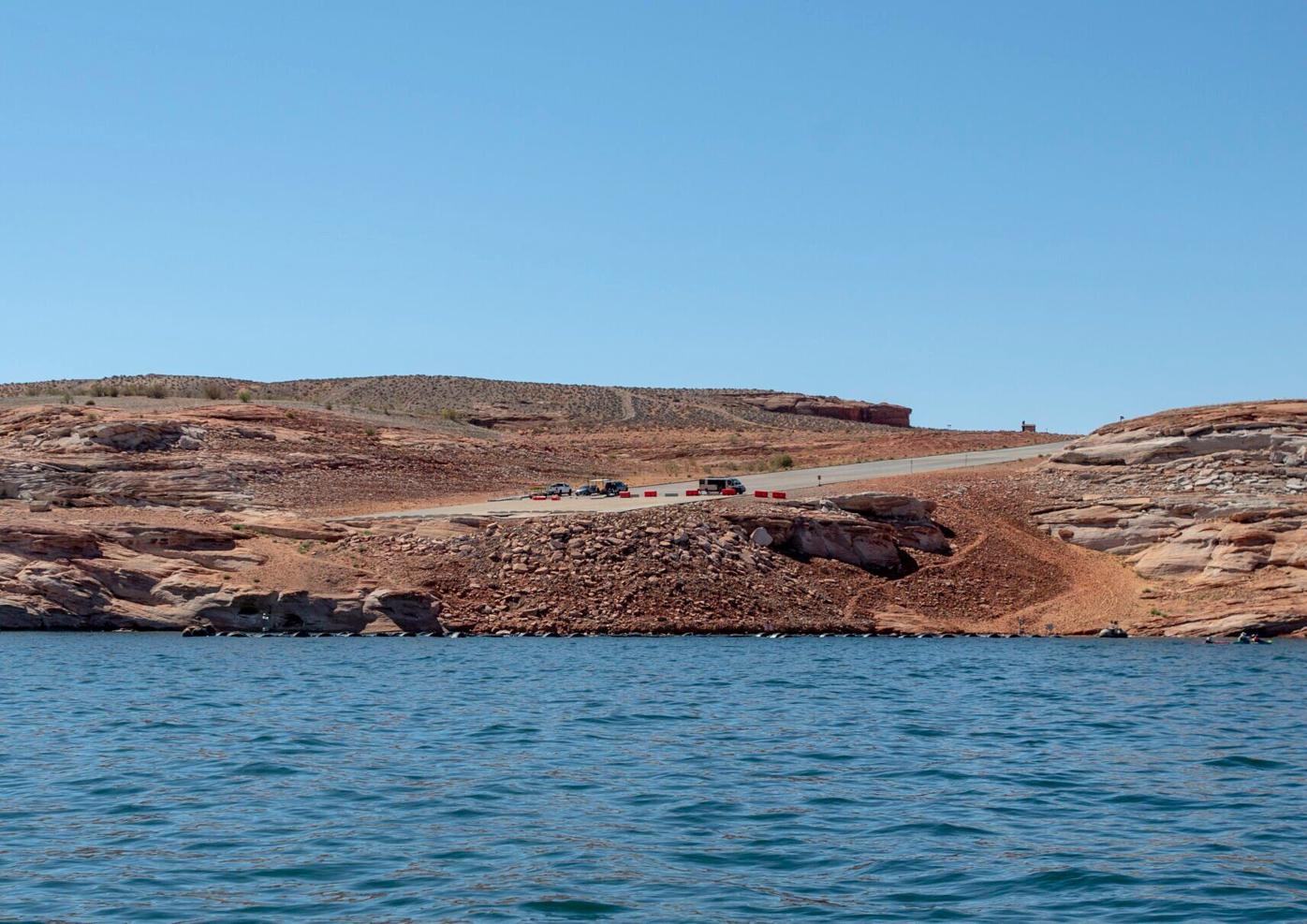
In the West, “population growth and rampant development, decades of drought, overuse of stored surface water, and over pumping of groundwater have created a critically unsustainable situation,” the report said, acknowledging the effects of 23 years of drought on Lake Mead and Lake Powell.
“The Colorado River is a case in point,” the report said, pointing out that the Colorado River Compact dictates more water allocated than the river can provide. The report also noted the recent agreement among the three Lower Basin states of California, Arizona and Nevada to reduce their use by one million acre-feet over the next three years, with the cuts paid for largely with $1.2 billion in federal Inflation Reduction Act that would incentivize farmers to reduce irrigation.
But it’s only a temporary fix, the report said, and, if the drought continues, “a more sustainable solution must be reached.”
The report made 11 major recommendations, including the establishment of a cabinet-level agency on water, and an awareness campaign. The recommendation pointed to a 1970s campaign on pollution that featured a Native American crying, which “skyrocketed the environmental movement into public awareness.”
“While this ad became controversial and has since been retired, at the time of its release, it was an influential advertisement campaign,” the report said.
The Colorado River is not the only problem the report identified — it also raised concerns about water quality, and specifically about the effects of “forever chemicals,” such as PFAS, on drinking water supplies. The report noted other challenges, such as scarcity of water, climate change, looming workforce shortages at the nation’s water utilities and emergency management, including hurricanes on the East Coast in the last few years that affected water supplies.
“Costs for the monitoring, removal, and disposal of PFAS will exceed the additional EPA funding available,” the report said, and that will require water utilities and their ratepayers to cover the rest. “Such unfunded or underfunded mandates add additional stress to water providers who also must replace aging infrastructure and assure sustainable water supplies.”
Another area of concern is the lack of water availability, largely in low-income or minority populations or on tribal lands.
“Successful mitigation of the risks water crises presents requires a coordinated effort between owners, operators, and the federal government,” the report concluded. “The response must be nuanced, timely and intent on delivering results that strengthen the security and resilience of our nation’s critical infrastructure.”

Weld County wades into data center issue
Maren Prince
maren.prince@denvergazette.com
Updated 1 day ago
A county in Colorado seeks to define data centers and clarify where they can be built. Notably, Weld County wants to keep data centers within an industrial or agricultural zones, according to a news release from commissioners. Any new data...

Maren Prince
Reporter

Denver launches public process to update energy code, extending standards to single-family homes
Scott Weiser
scott-weiser@denvergazette.com
Updated 2 days ago
Denver launched a public process on Feb. 26 to update its energy code for new and renovated small buildings, including single-family homes and duplexes, that would extend efficiency and electrification-readiness standards that began with energy compliance goals for large commercial...

Scott Weiser
Reporter
Polis administration awards $7.2 million to cut emissions from large buildings
Scott Weiser
scott-weiser@denvergazette.com
Updated 3 days ago
The Colorado Energy Office awarded $7.2 million Wednesday to help owners of large buildings across the state pursue high-impact projects that reduce greenhouse gas emissions through improved energy efficiency and electrification. The grants, drawn from federal Climate Pollution Reduction Grant...
Scott Weiser
Reporter

Chevron faces $1.75 million proposed penalty for Galeton Well blowout
Scott Weiser
scott-weiser@denvergazette.com
Updated 3 days ago
The Colorado Energy and Carbon Management Commission proposed a $1.75 million penalty against Chevron for a well blowout last year at the Bishop A07-01 pad near Galeton. The cleanup could take four more years. The 2025 blowout sent contaminated fluids...
Scott Weiser
Reporter
Colorado lawmakers mull competing bills on data centers
Scott Weiser
scott-weiser@denvergazette.com
Updated 5 days ago
A Colorado coalition of data center developers and operators is urging lawmakers to pass a proposal that offers tax breaks to attract large facilities, while calling a competing bill a major obstacle to new investment. Meanwhile, proponents of the latter...
Scott Weiser
Reporter

Colorado joins California in lawsuit to restore federal clean energy funding
Scott Weiser
scott-weiser@denvergazette.com
Updated 5 days ago
Colorado has joined a multi-state lawsuit challenging the Trump administration’s termination of more than $600 million in congressionally approved clean energy grants for Colorado projects, Colorado Attorney General Phil Weiser and California Attorney General Rob Bonta announced Wednesday. The suit,...
Scott Weiser
Reporter
With the deadline missed, Bureau of Reclamation plans to move forward on Colorado River operations
Marianne Goodland
marianne-goodland@denvergazette.com
Updated 2 weeks ago
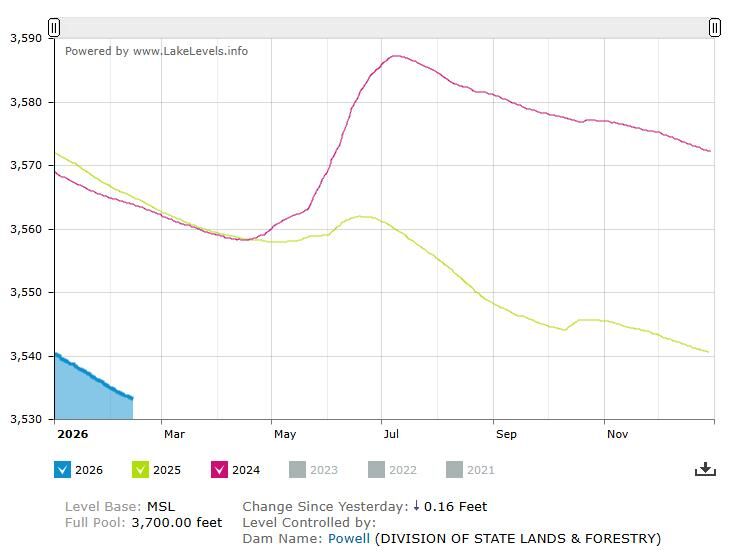
Feb. 14 was no Valentine for the seven states of the Colorado River, which failed to come up with an agreement by that deadline on how to manage the dwindling water resource beginning Oct. 1. The U.S. Department of the...
Marianne Goodland
Reporter
Supermarket chain H Mart hopes to revive mineral water bottling in Manitou Springs
Savannah Eller
savannah-eller@denvergazette.com
Updated 2 weeks ago
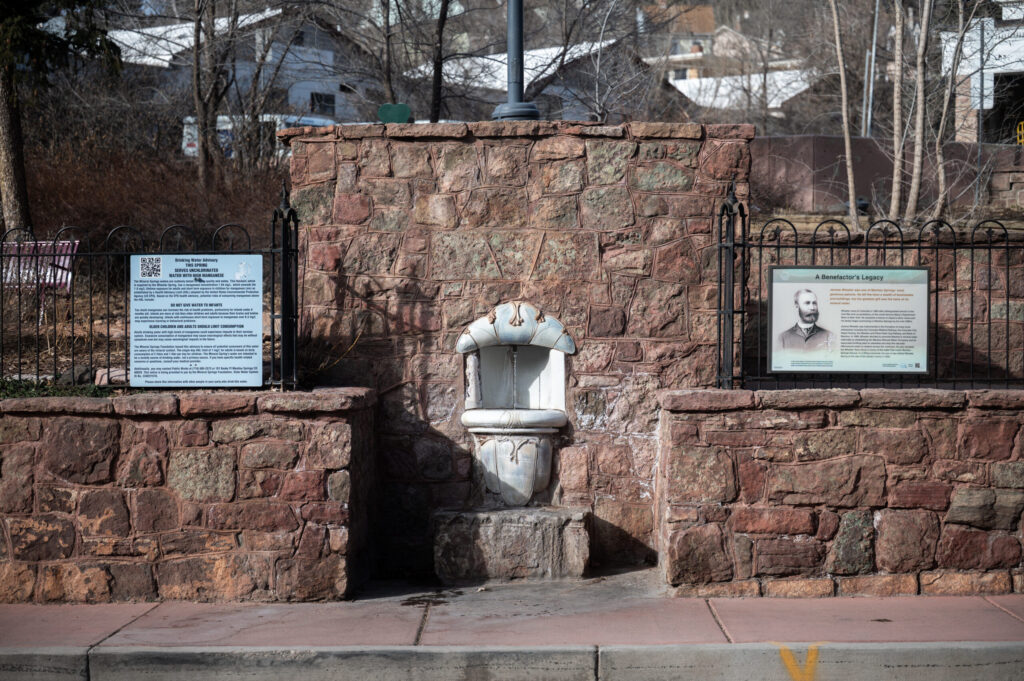
A major U.S. grocer has acquired the vestiges of a historic industry in Manitou Springs with the hope of bringing it back to life. H Mart, an Asian supermarket chain based in New Jersey with nearly a hundred locations across...

Savannah Eller
Reporter
Ken Salazar donates archives to Borderlands project, hoping history helps unify country
Vince Bzdek
vince-bzdek@denvergazette.com
Updated 2 weeks ago
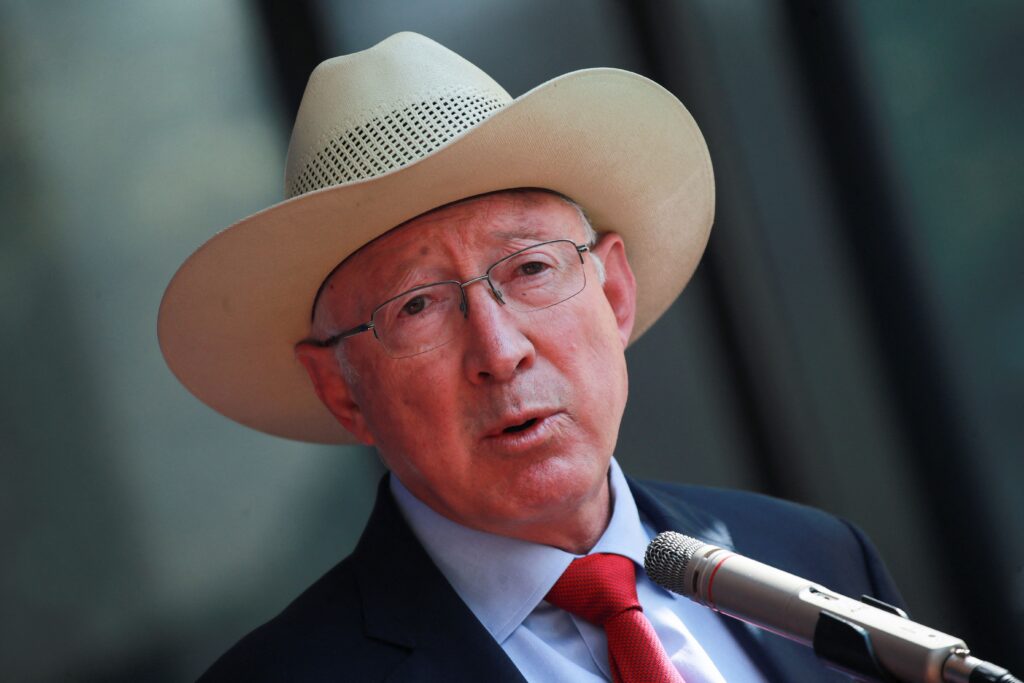
About the same time the Pilgrims were setting up shop 400 years ago in Plymouth, Ken Salazar’s family was scratching out a toehold in what is now New Mexico, helping to establish the city of Santa Fe. The Salazars had...

Vince Bzdek
Reporter

Deadlocked: Colorado basin states negotiations collapse
Marianne Goodland
marianne-goodland@denvergazette.com
Updated 2 weeks ago
With the Feb. 14 deadline looming, the seven states in the Colorado River Basin failed to reach an agreement on how to manage the river after the 2026 operating guidelines expire later this year. John Entsminger, Nevada’s chief negotiator, said...
Marianne Goodland
Reporter
PREV
PREVIOUS
EPA report finds Suncor refinery having more air pollution incidents compared to other refineries
The Environmental Protection Agency released a report Friday on Suncor’s Commerce City refinery showing it has more air pollution incidents than 11 other refineries of similar size and output. In the report, the EPA said the Suncor refinery “may experience more air quality incidents because of inadequacies in preventative maintenance, testing and inspection of liquid […]
Denver Water demand hits 54-year low thanks to June rain
Facebook Twitter WhatsApp SMS Email Print Copy article link Save When it rained … and rained … and rained … last month, Denver Water customers took the plunge. June’s historic rainfall brought a historic drop in demand to levels not seen in 54 years, Denver Water announced Tuesday. In all, 6.1 inches of rain fell […]