







Winter watering ‘essential’ to tree care as dry, warm conditions continue
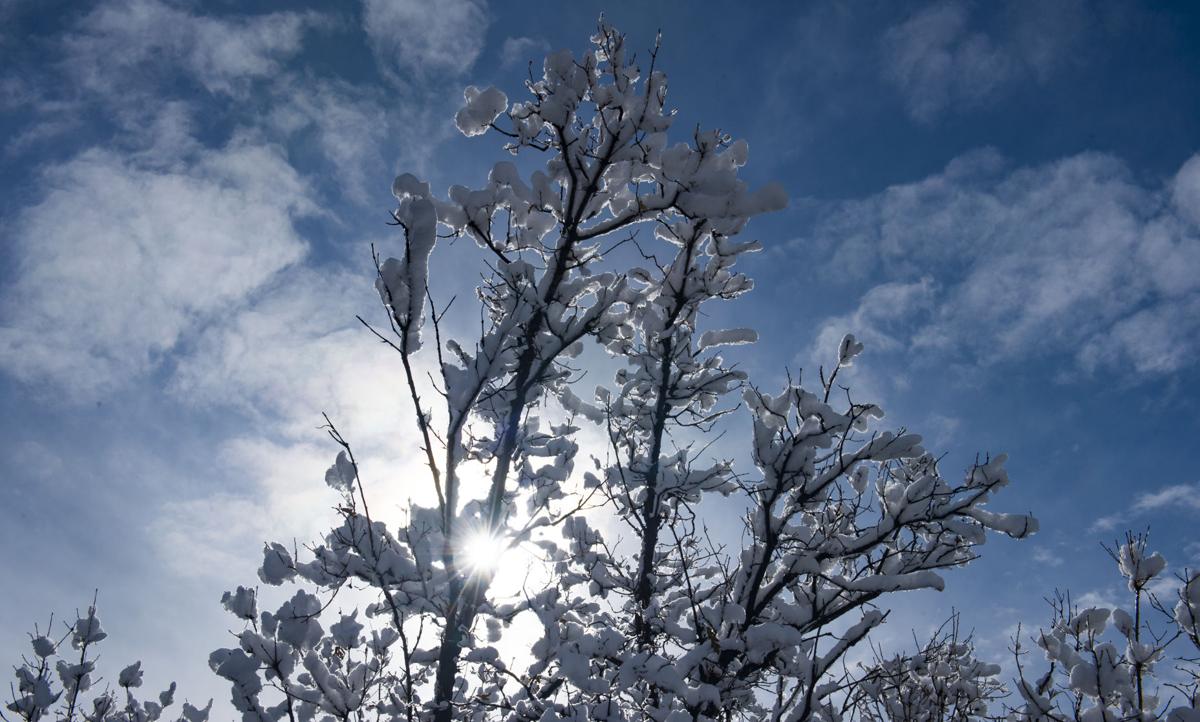
Boulder city officials are reminding people that winter watering is essential to keep trees healthy as winter conditions remain dry and warm.
Trees that don’t get watered in the winter can cause issues that might not show up until the following spring, a city of Boulder news release said. This can include branch dieback, reduced leaf size, chlorosis and dying trees.
Winter drought conditions can also stress trees and make them more susceptible to insect attacks, the release said.
The region is naturally a semi-arid, shortgrass prairie that would have few trees without irrigation, according to Boulder officials. Urban trees that are properly placed and well-maintained are an asset to the environment and communities, drawing down carbon, creating shade, intercepting stormwater to reduce flooding, and improving air quality and public health, according to the release.
Trees that are the most at-risk from dry winter conditions include those that have been recently planted, evergreens and shallow-rooted deciduous trees like maples, poplars and lindens.
To help people maintain the health of their trees, Boulder officials listed winter watering tips, which are as follows.
• Water when the air and soil temperatures are above 40 degrees Fahrenheit and there is no snow on the ground.
• Water early in the day so water can soak in before freezing night temperatures.
• Do not water frozen soil.
• Water once or twice a month with 15 gallons per inch of tree trunk diameter. Newly planted trees need 15 to 20 gallons.
• Water at the tree’s dripline, which is the outermost circumference of the tree branches. A slow, deep soak reaches the fine feeder roots that are up to 8 inches below the soil surface.
• Hand watering, a soaker hose or a drip application is best.
• Leave irrigation systems off in the winter to prevent frozen and broken equipment.
• Minimize the use of deicers and other pollutants, since melting snow can carry them into storm drains.
• Shovel clean snow from sidewalks and driveways around the dripline of the trees to help insulate roots and water the tree as the snow melts.
• Put two-to-four inches of wood chip mulch from one inch away from the base of the tree out to the dripline to retain soil moisture.
• During dry, warm periods, water trees every few weeks.
More tree care information is available on the city of Boulder’s website.

Weld County wades into data center issue
Maren Prince
maren.prince@denvergazette.com
Updated 2 days ago
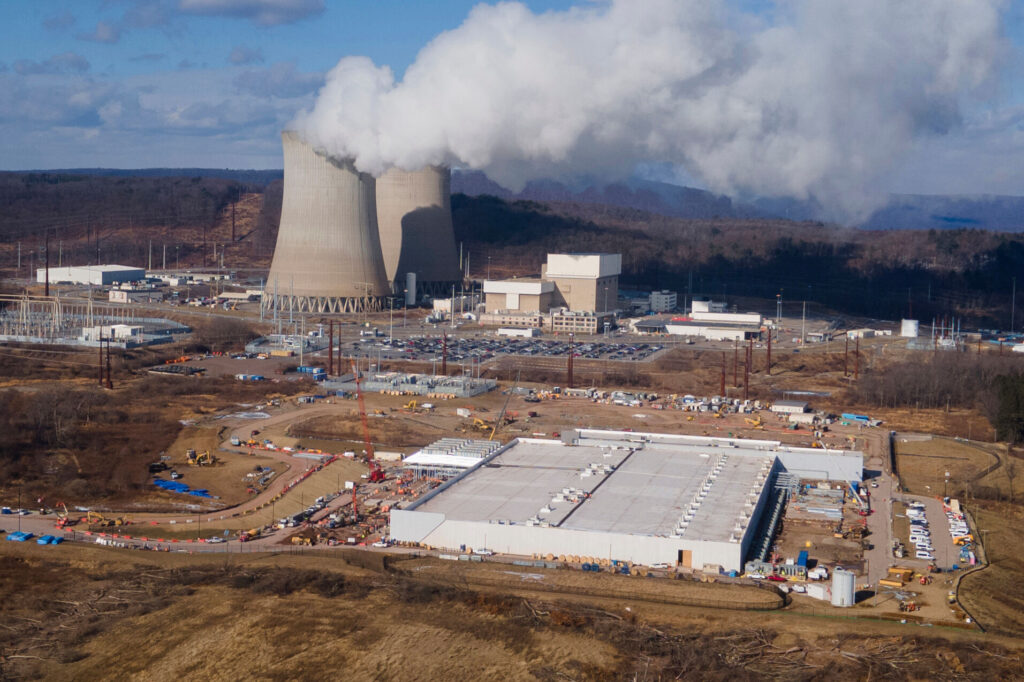
A county in Colorado seeks to define data centers and clarify where they can be built. Notably, Weld County wants to keep data centers within an industrial or agricultural zones, according to a news release from commissioners. Any new data...

Maren Prince
Reporter

Denver launches public process to update energy code, extending standards to single-family homes
Scott Weiser
scott-weiser@denvergazette.com
Updated 2 days ago
Denver launched a public process on Feb. 26 to update its energy code for new and renovated small buildings, including single-family homes and duplexes, that would extend efficiency and electrification-readiness standards that began with energy compliance goals for large commercial...

Scott Weiser
Reporter
Polis administration awards $7.2 million to cut emissions from large buildings
Scott Weiser
scott-weiser@denvergazette.com
Updated 3 days ago
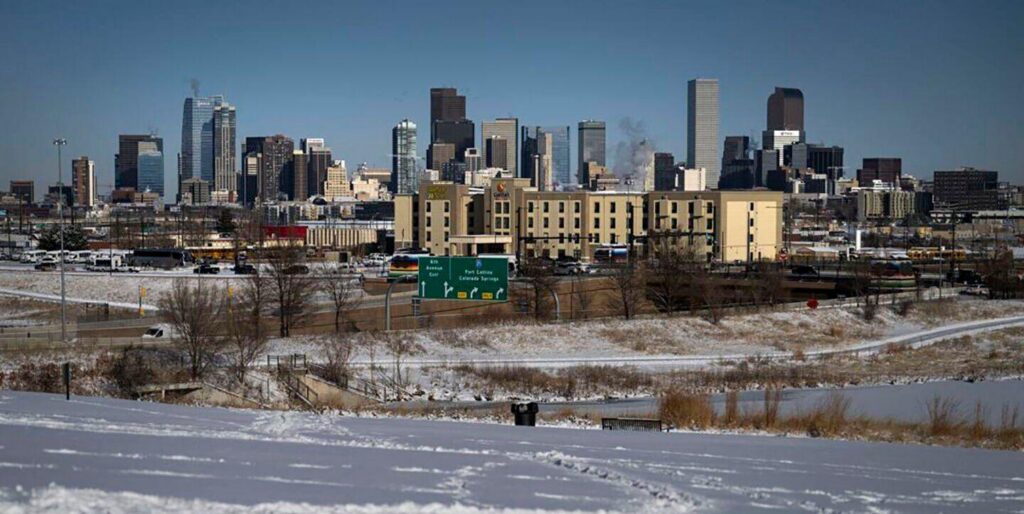
The Colorado Energy Office awarded $7.2 million Wednesday to help owners of large buildings across the state pursue high-impact projects that reduce greenhouse gas emissions through improved energy efficiency and electrification. The grants, drawn from federal Climate Pollution Reduction Grant...
Scott Weiser
Reporter
Chevron faces $1.75 million proposed penalty for Galeton Well blowout
Scott Weiser
scott-weiser@denvergazette.com
Updated 3 days ago
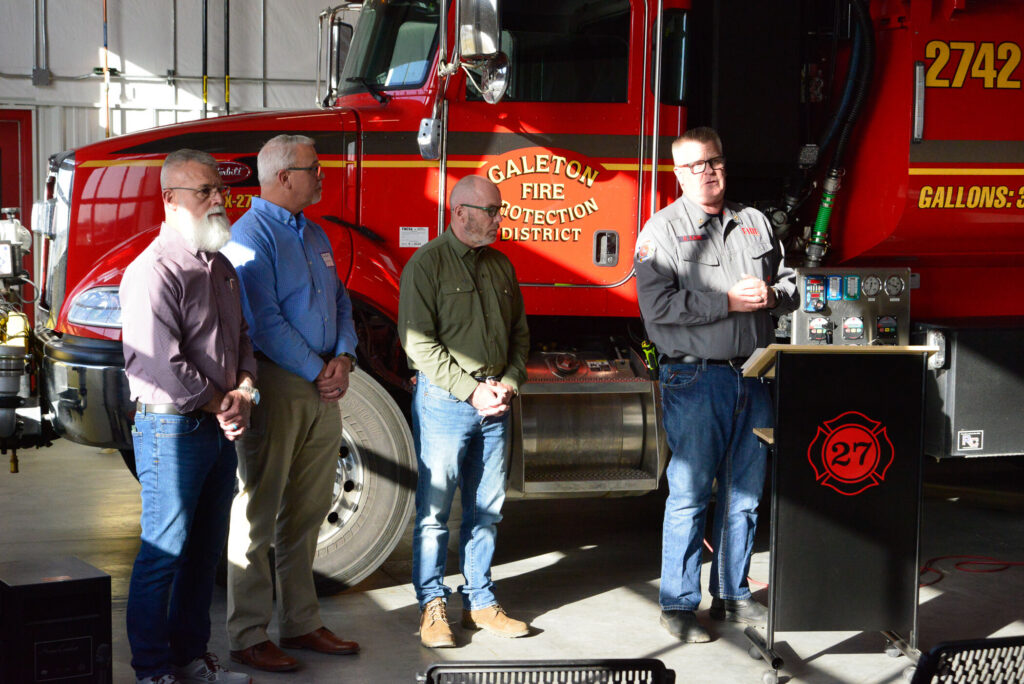
The Colorado Energy and Carbon Management Commission proposed a $1.75 million penalty against Chevron for a well blowout last year at the Bishop A07-01 pad near Galeton. The cleanup could take four more years. The 2025 blowout sent contaminated fluids...
Scott Weiser
Reporter
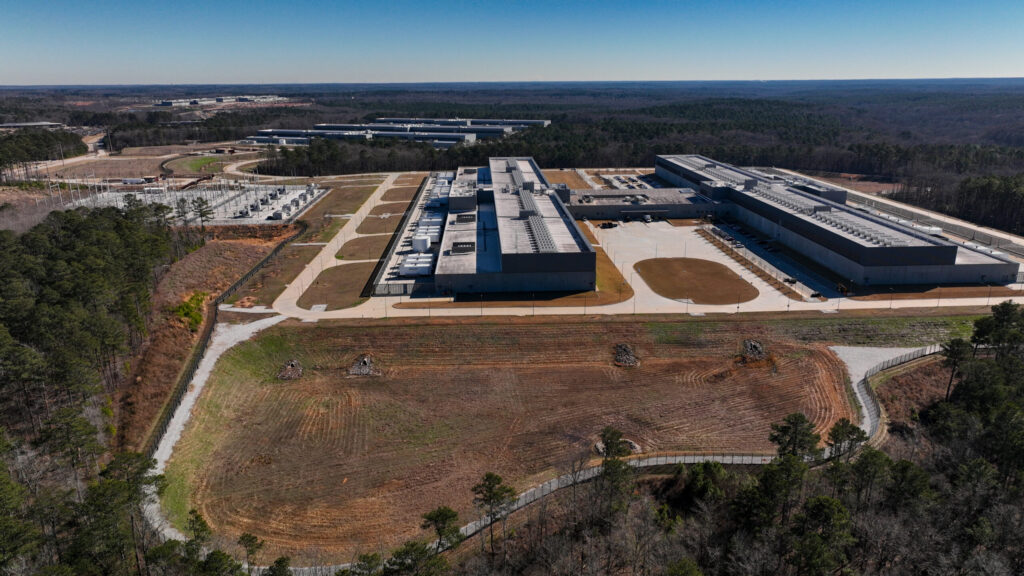
Colorado lawmakers mull competing bills on data centers
Scott Weiser
scott-weiser@denvergazette.com
Updated 5 days ago
A Colorado coalition of data center developers and operators is urging lawmakers to pass a proposal that offers tax breaks to attract large facilities, while calling a competing bill a major obstacle to new investment. Meanwhile, proponents of the latter...
Scott Weiser
Reporter
Colorado joins California in lawsuit to restore federal clean energy funding
Scott Weiser
scott-weiser@denvergazette.com
Updated 5 days ago
Colorado has joined a multi-state lawsuit challenging the Trump administration’s termination of more than $600 million in congressionally approved clean energy grants for Colorado projects, Colorado Attorney General Phil Weiser and California Attorney General Rob Bonta announced Wednesday. The suit,...
Scott Weiser
Reporter
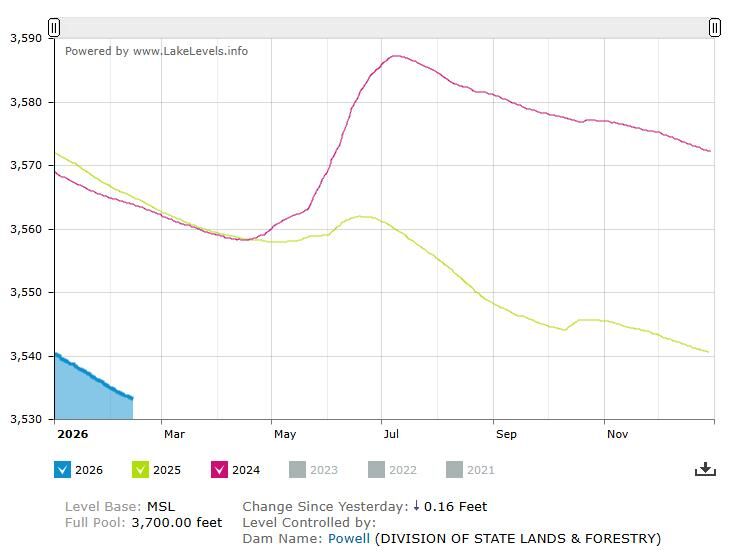
With the deadline missed, Bureau of Reclamation plans to move forward on Colorado River operations
Marianne Goodland
marianne-goodland@denvergazette.com
Updated 2 weeks ago
Feb. 14 was no Valentine for the seven states of the Colorado River, which failed to come up with an agreement by that deadline on how to manage the dwindling water resource beginning Oct. 1. The U.S. Department of the...

Marianne Goodland
Reporter
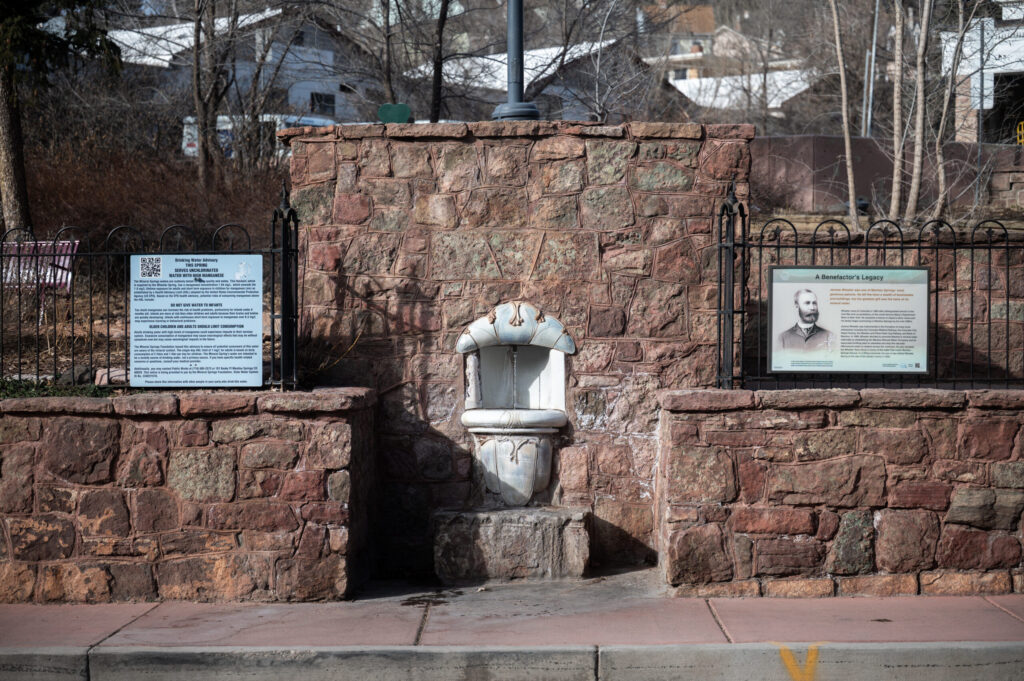
Supermarket chain H Mart hopes to revive mineral water bottling in Manitou Springs
Savannah Eller
savannah-eller@denvergazette.com
Updated 2 weeks ago
A major U.S. grocer has acquired the vestiges of a historic industry in Manitou Springs with the hope of bringing it back to life. H Mart, an Asian supermarket chain based in New Jersey with nearly a hundred locations across...

Savannah Eller
Reporter
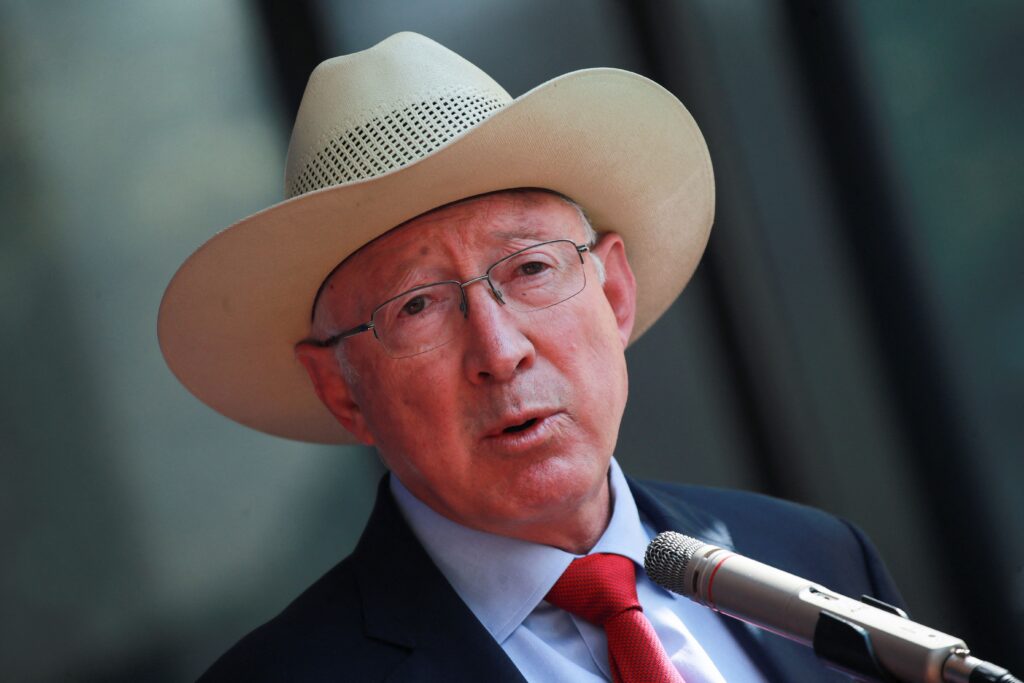
Ken Salazar donates archives to Borderlands project, hoping history helps unify country
Vince Bzdek
vince-bzdek@denvergazette.com
Updated 2 weeks ago
About the same time the Pilgrims were setting up shop 400 years ago in Plymouth, Ken Salazar’s family was scratching out a toehold in what is now New Mexico, helping to establish the city of Santa Fe. The Salazars had...

Vince Bzdek
Reporter

Deadlocked: Colorado basin states negotiations collapse
Marianne Goodland
marianne-goodland@denvergazette.com
Updated 2 weeks ago
With the Feb. 14 deadline looming, the seven states in the Colorado River Basin failed to reach an agreement on how to manage the river after the 2026 operating guidelines expire later this year. John Entsminger, Nevada’s chief negotiator, said...
Marianne Goodland
Reporter
PREV
PREVIOUS
Portion of County Line Road to close for 100 days in south metro Denver
As part of a $30 million road widening project, a busy thoroughfare south of Denver is poised to undergo a 100-day closure beginning in early January. Construction is already underway to widen County Line Road between University Boulevard and Broadway. The corridor, which splits Arapahoe and Douglas counties, experiences an average of 25,000 motorists a […]

RTD highlights 10 key accomplishments in 2025 to improve service
The Regional Transportation District highlighted 10 key accomplishments in 2025 that advanced service reliability, safety enhancements, and customer convenience across the Denver metro area. The agency launched Tap-n-Ride in November. Customers now tap contactless credit or debit cards or mobile wallets at validators on buses and trains. Automatic fare capping guarantees the lowest price while […]