







Relief at Lee fire in Colorado continues as long-term wildlife habitat reclamation become priority
The Lee fire burned more than 137,000 acres of land southwest of Meeker this summer.
Some of the land charred in northwest Colorado was prime grazing land ranchers and land-users utilize for livestock feeding and wildlife rely on throughout the year.
As relief efforts continue, ranchers and officials with the Colorado Parks and Wildlife have made strides in reseeding, delivering donated hay, and looking at utilizing new technologies in the area affected by the fire.
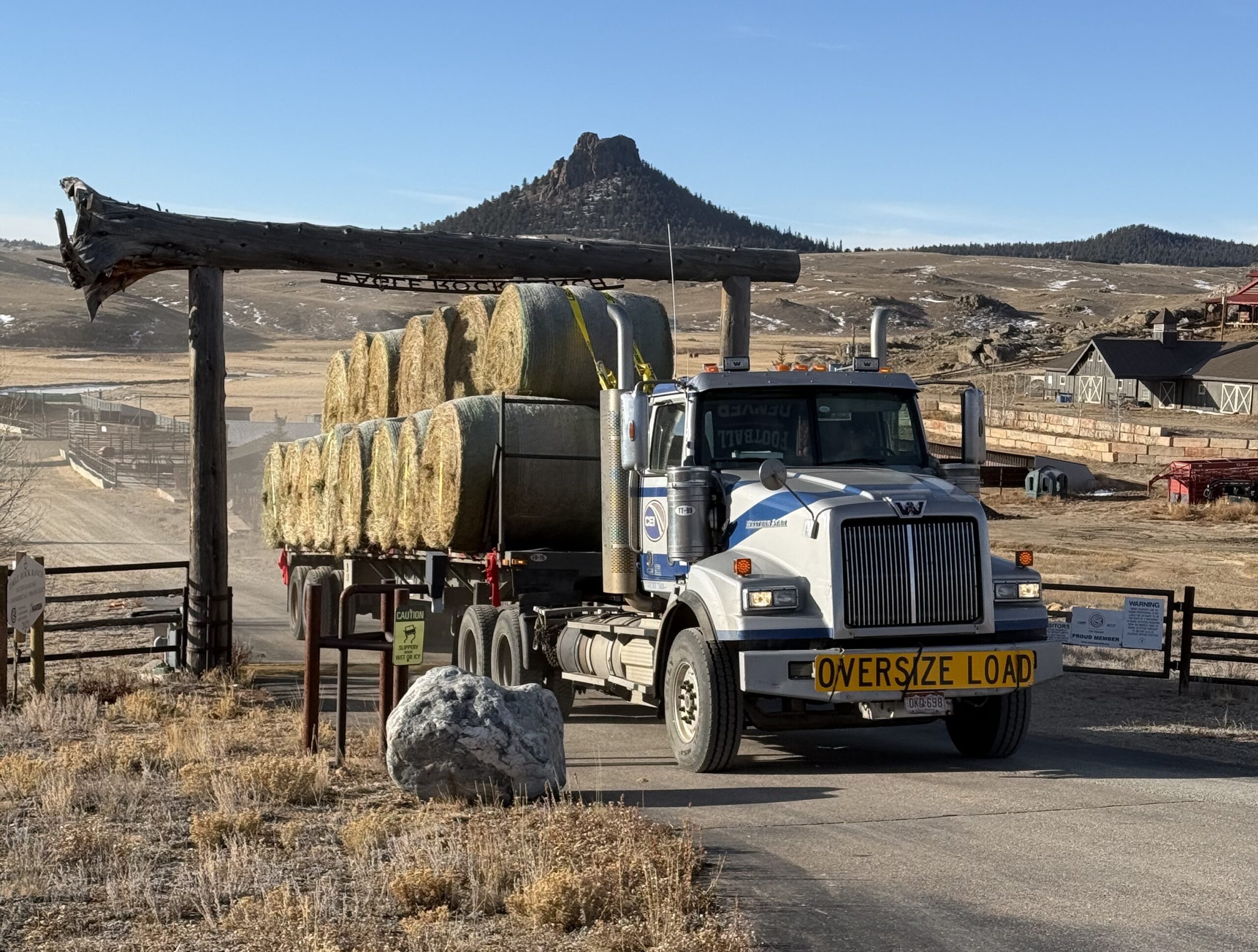
Earlier in December, one ranching family — the Gottenborgs from Jefferson, in Park County — donated 72,000 pounds of hay to ranchers in need of livestock feed.
That donation was utilized the best it could be, according to Tom Knowles with CPW.
“The donated hay was provided to at least two different landowners within the Piceance Basin, who had lost a portion of their hay crop due to the flash flooding that occurred after the Lee fire,” Knowles said in an email to The Denver Gazette. “The hay will help those livestock producers feed their cattle through the winter and spring of 2026.”
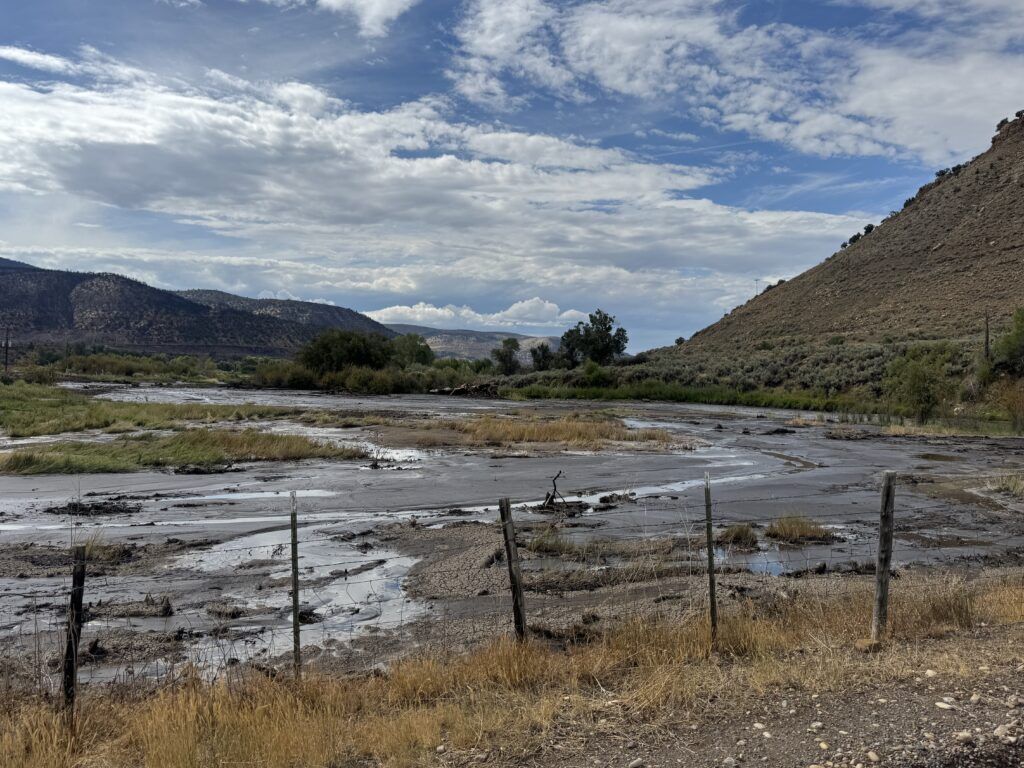
According to Knowles, the main goals of CPW and the White River Habitat Partnership Program (WRHPP) were to assist private landowners with immediate short-term needs first, which included replacement of lost hay and or rebuilding of hay stockyards that were lost in the fire.
However, Knowles said there was no intention of feeding elk or deer this winter with donated hay.
Knowles also said CPW and WRHPP are “focused on long-term wildlife habitat reclamation” of critical wildlife habitats on both public and private lands, including but not limited to:
- Reseeding of critical winter range habitats with custom sagebrush seed mixes that benefit both livestock and wildlife
- Replacement of burned water source infrastructure that benefits both wildlife and livestock, with that practice being a high priority in 2026
Fencing in the burn scar was deeply affected by the fire, too, where several miles were potentially lost forever, according to various reports from ranchers and fire officials.
“Replacement of key boundary fences on both private and public lands, but only where absolutely necessary, with the requirement that any new fencing be built with wildlife-friendly specifications, is also a priority for CPW,” Knowles said.
The cost of rebuilding permanent fencing is extremely high — $30,000-plus per mile, according to Knowles.
CPW has roughly $500,000 available in its Habitat Partnership Program for relief efforts.
A starting solution proposed by CPW and WRHPP is that only the most critical boundary fences be rebuilt; however, virtual fencing technology could be utilized as well in order to keep long-term costs down while generating positive impacts toward wildlife.
“We are also encouraging landowners and public land management agencies to consider converting over to virtual fencing where opportunities exist,” Knowles said. “WRHPP has funded multiple virtual fencing projects and is a strong proponent of this relatively new technology.”
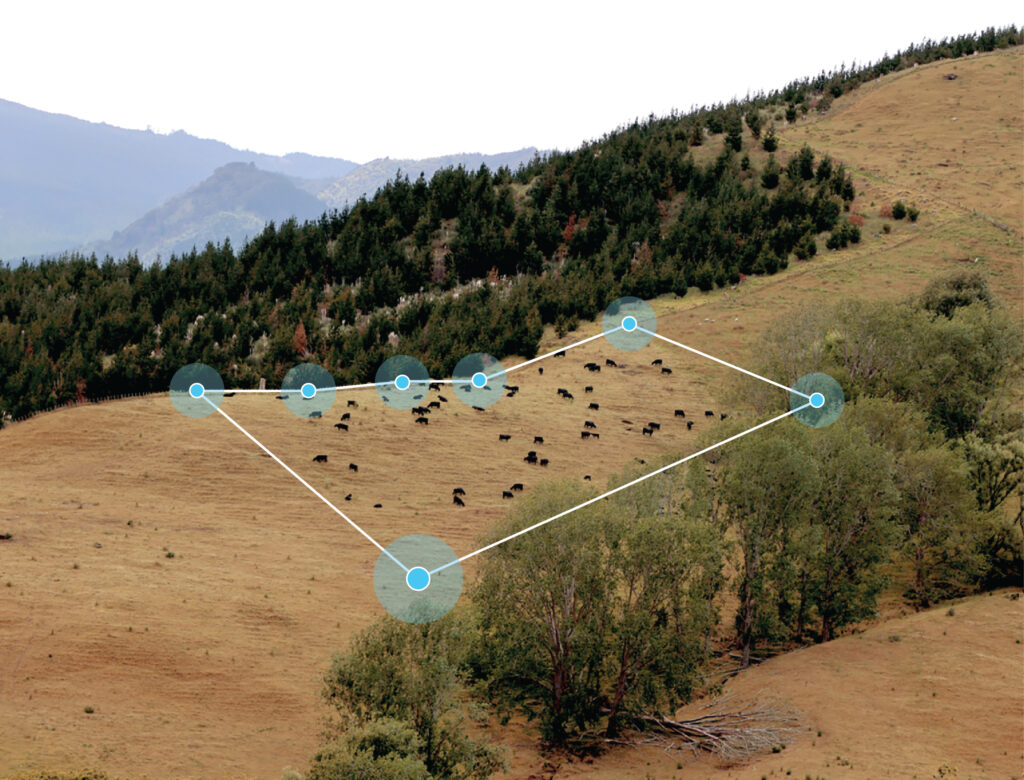
According to Knowles, virtual fencing can also reduce the amount of permanent fencing that negatively impacts wildlife movement and passage across the landscape.
WRHPP will also continue to provide pond cleaning vouchers and noxious weed control vouchers to landowners who were impacted by the fire as well.
“WRHPP will also promote the use of selective herbicides designed to control invasive annual grasses on parcels of land that have not been reseeded and that are at risk of being taken over by cheatgrass and other invasive annual grasses after the Lee Fire,” Knowles said.
In the late fall, CPW completed reseeding of 1,085 acres of critical winter range habitat within portions of Oak Ridge State Wildlife Area with custom sagebrush seed mixes designed specifically for wildlife, according to Knowles.
WRHPP also collaborated with five private landowners to reseed 1,300 acres of critical winter range habitat that burned along the Highway 13 corridor, south of Meeker.
CPW doesn’t expect to see the impact this has had on post-fire recovery until spring 2026, when those custom seed mixes begin to germinate.


From decrepit to opulent: How 20 years of the Ellie Caulkins Opera House has elevated Denver
John Moore
john.moore@denvergazette.com
Updated 24 minutes ago
Celebrating two decades since downtown finally got a worthy home for opera, ballet, concerts and more People forget what life was like before the Ellie Caulkins Opera House. When opera fans had to head down to the basement to find...

John Moore
Reporter
Loveland celebrates sweethearts in annual Valentine’s Day festival
Michael Braithwaite
michael.braithwaite@gazette.com
Updated 16 hours ago
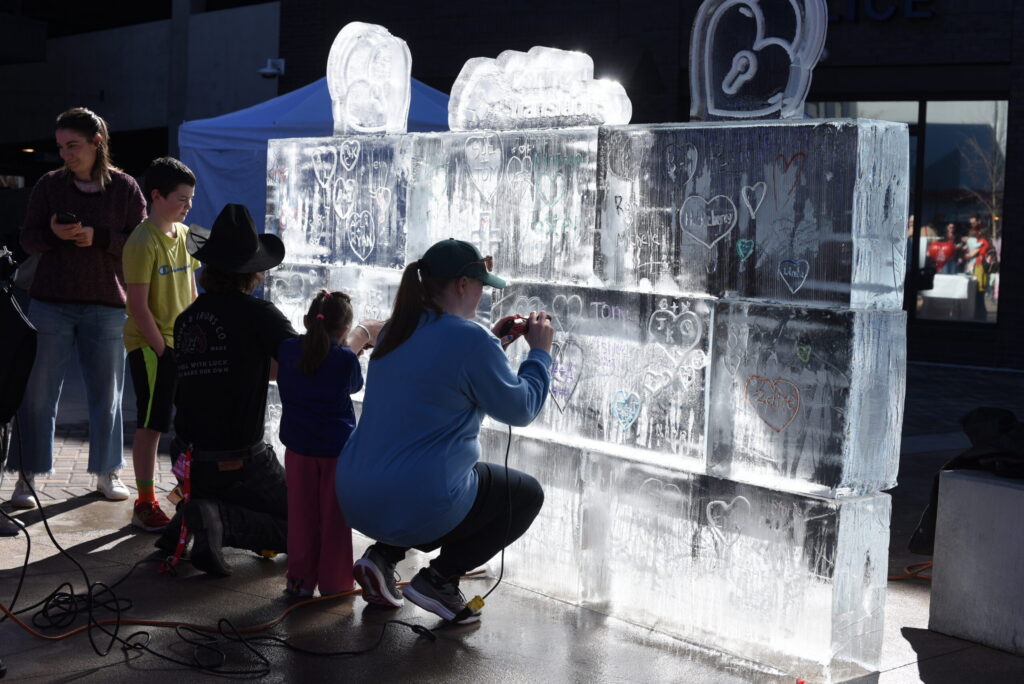
Love was in both the air and the land north of Denver on Saturday. As Americans celebrated Valentine’s Day, Loveland earned its name, hosting its annual Sweetheart Festival. Hundreds of people from all over the Front Range, many wearing pink-colored...

Michael Braithwaite
Reporter

DougCo deputy fired after DUI, careless driving arrest
Michael Braithwaite
michael.braithwaite@gazette.com
Updated 18 hours ago
A Douglas County Sheriff’s deputy was fired Friday after he was arrested by Parker Police the previous weekend. Andrew Sanders faces charges of driving under the influence, careless driving, assault on a police officer and obstruction in relation to a...
Michael Braithwaite
Reporter
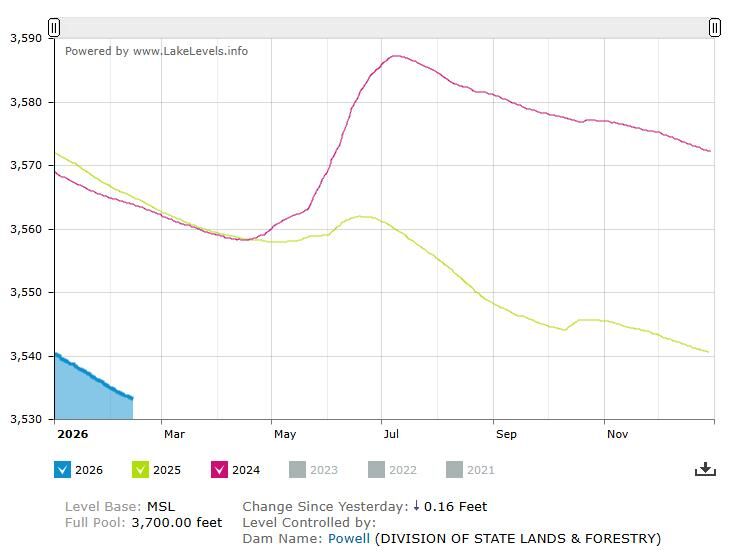
With the deadline missed, Bureau of Reclamation plans to move forward on Colorado River operations
Marianne Goodland
marianne-goodland@denvergazette.com
Updated 20 hours ago
Feb. 14 was no Valentine for the seven states of the Colorado River, which failed to come up with an agreement by that deadline on how to manage the river beginning Oct. 1. The Department of the Interior and the...

Marianne Goodland
Reporter
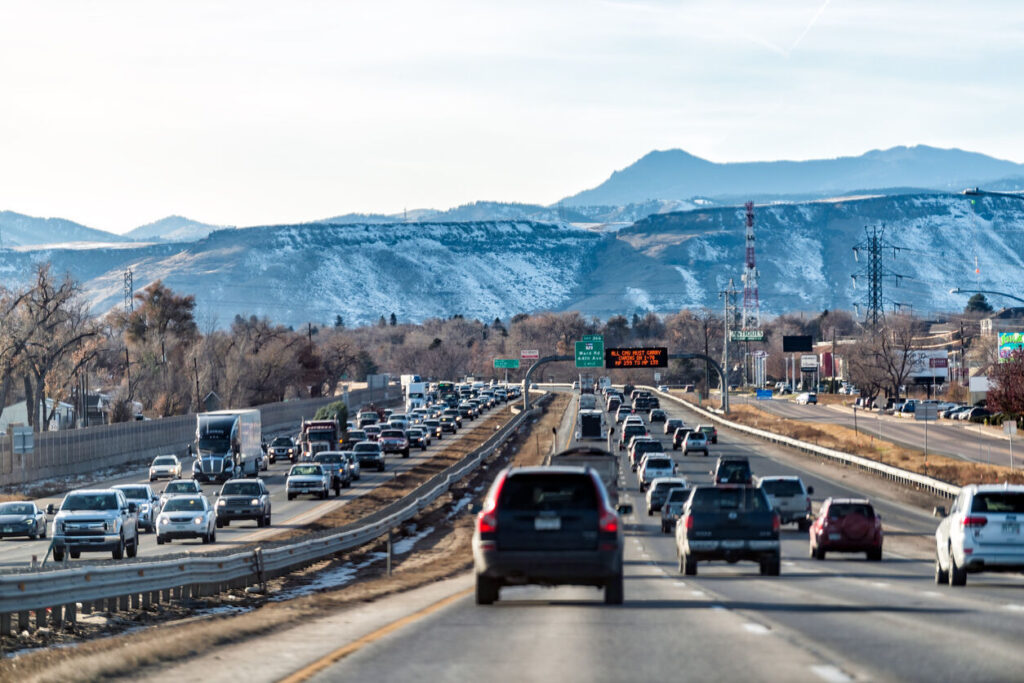
I-70 closed Friday evening after snowy, two-dozen vehicle pileup
Michael Braithwaite
michael.braithwaite@gazette.com
Updated 19 hours ago
Interstate 70 was closed for nearly three hours in the eastbound direction Friday evening after two dozen vehicles crashed in snowy conditions. Authorities first responded to reports of a multiple vehicles involved in multiple crashes on the interstate just east...
Michael Braithwaite
Reporter

1 dead, another hospitalized after southwest Denver shooting
Michael Braithwaite
michael.braithwaite@gazette.com
Updated 19 hours ago
One person died and another was hospitalized after shooting in southwest Denver Saturday, Denver Police said. Police first posted on social media at 5:42 a.m. Saturday saying that a man was taken to the hospital with leg injuries after a...
Michael Braithwaite
Reporter
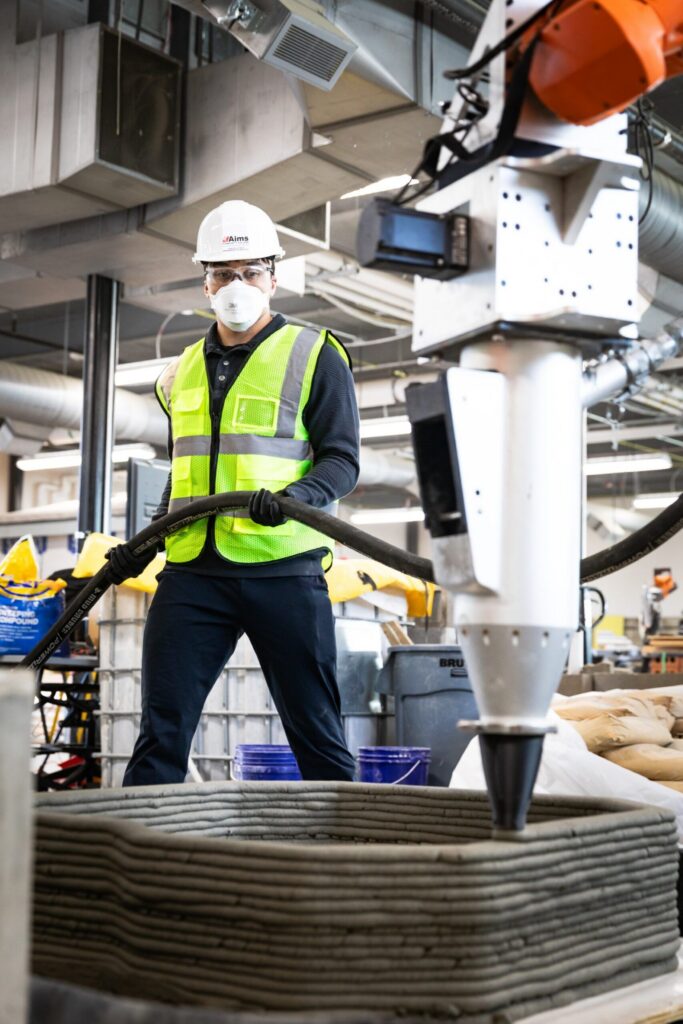
Greeley-based Alquist emerges as leading 3D construction printing company
Hap Fry, Special to The Gazette
hap-fry@gazette.com
Updated 19 hours ago
GREELEY • One might say that Zachary Mannheimer is a bit of a riverboat gambler — a calculated one, though. As founder and chairman of Greeley-based Alquist 3D, Mannheimer didn’t follow the most conventional path into the world of 3D...

Hap Fry, Special to The Gazette
Reporter
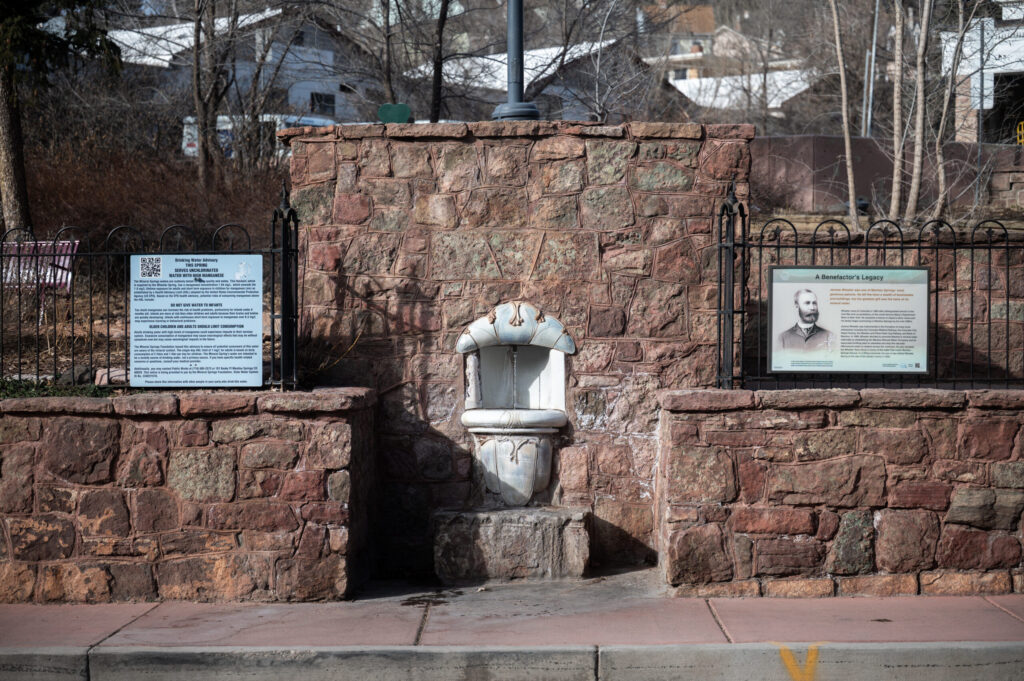
Supermarket chain H Mart hopes to revive mineral water bottling in Manitou Springs
Savannah Eller
savannah-eller@denvergazette.com
Updated 2 days ago
A major U.S. grocer has acquired the vestiges of a historic industry in Manitou Springs with the hope of bringing it back to life. H Mart, an Asian supermarket chain based in New Jersey with nearly a hundred locations across...

Savannah Eller
Reporter

Ken Salazar donates archives to Borderlands project, hoping history helps unify country
Vince Bzdek
vince-bzdek@denvergazette.com
Updated 21 hours ago
About the same time the Pilgrims were setting up shop 400 years ago in Plymouth, Ken Salazar’s family was scratching out a toehold in what is now New Mexico, helping to establish the city of Santa Fe. The Salazars had...

Vince Bzdek
Reporter
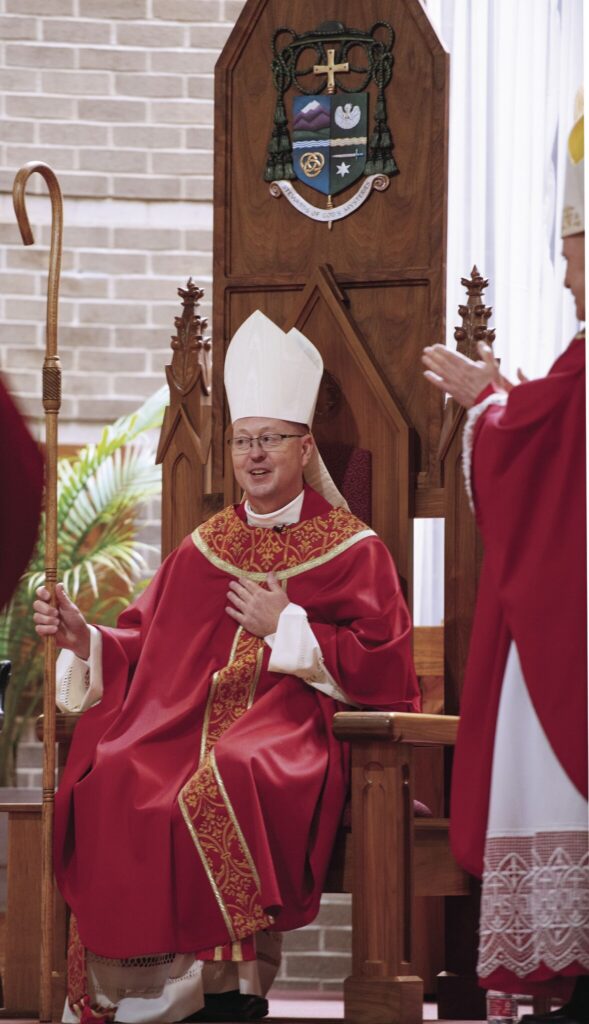
A sense of ‘sadness and loss’ in Colorado Springs with Catholic bishop moving north
Debbie Kelley
debbie-kelley@denvergazette.com
Updated 2 days ago
Last Saturday’s announcement that Pope Leo XIV had promoted Diocese of Colorado Springs Bishop James Golka to fill the seat of archbishop of Denver was unexpected news for many Catholics. “His appointment came as a surprise to me and carried...

Debbie Kelley
Reporter
PREV
PREVIOUS

Denver airport takes #1 spot for most domestic destinations
Denver International Airport had the most domestic nonstop connections in the U.S. out of any airport in 2025. The airport announced it ranked No. 1 in its domestic flight network this year, a first for DIA. Denver beat Chicago’s O’Hare International Airport and Dallas-Fort Worth International Airport, which each had 195 domestic connections. DIA offers […]

Former CBI DNA expert Missy Woods plea delayed again
The case against Yvonne Woods, the state’s former top DNA scientist at the Colorado Bureau of Investigation’s forensic lab, was pushed back again Tuesday with an arraignment for her to enter a plea now scheduled for Feb. 11. The court case will have stretched a year next month. Woods, who goes by Missy, is at […]