







Judge rules Trump administration must keep funding child care subsidies in Colorado, 4 other states

A federal judge ruled Friday that President Donald Trump’s administration must keep federal funds flowing to child care subsidies and other social service programs in Colorado and four other Democratic-controlled states — at least for now.
The ruling Friday from U.S. District Judge Vernon Broderick extends by two weeks a temporary one issued earlier this month that blocked the federal government from holding back the money from Colorado, California, Illinois, Minnesota and New York. The initial temporary restraining order was to expire Friday.
Broderick said Friday that he would decide later whether the money is to remain in place while a challenge to cutting it off works its way through the courts.
The U.S. Department of Health and Human Services sent the five states notices in early January informing them it would require justifications for spending the money aimed at helping low-income families. It also said it would require more documentation, including the names and Social Security numbers of the beneficiaries of some of the programs.
The programs affected by the restrictions at the heart of this case are the Child Care and Development Fund, which subsidizes child care for 1.3 million children from low-income families nationwide; the Temporary Assistance for Needy Families program, which provides cash assistance and job training; and the Social Services Block Grant, a smaller fund that provides money for a variety of programs.
The states said they receive a total of more than $10 billion a year from those programs and argued they are essential for low-income and vulnerable families, including paying about half the cost of shelters for homeless families in New York City.
For TANF and the Social Service Block Grant, the request required the states to submit the data, including personal information of recipients beginning in 2022, with a deadline of Jan. 20.
Government lawyers said Friday that the department was working on more guidelines about what exactly was required before the initial restraining order was put in place.
The administration said it took action because of worries fraud.
Earlier this month, the U.S. Department of Health and Human Services said it was pausing the funding because it had “reason to believe” the states were granting benefits to people in the country illegally. At the time, it didn’t explain why.
In Friday’s hearing, Mallika Balachandran, a federal government lawyer, said that the concerns were raised by media reports, though she told the judge she did not know which ones. Federal officials previously cited a video claiming fraud by Minneapolis day care centers operated by people with Somali backgrounds.
The announcement that funds would be frozen initially came the same day that Minnesota Gov. Tim Walz said he would not seek a third term, following weeks of reporting on the alleged fraud in his state.
Minnesota has been under the spotlight for years for Medicaid fraud, including a massive $300 million pandemic fraud case involving the nonprofit Feeding Our Future. Prosecutors said it was the country’s largest COVID-19-related fraud scam and that defendants exploited a state-run, federally funded program intended to provide food for children.
Numerous other fraud cases are being investigated, including new allegations focused on child care centers. In news interviews and press releases over the summer, a federal prosecutor estimated the total loss from all fraud cases could exceed $1 billion.
In the case at hand, Broderick asked whether the government picked the five states first and then conducted research into whether there were fraud claims there. Balachandran said she didn’t know that either.
Broderick said he didn’t understand why the government made it harder for the states to access money for the programs before any wrongdoing had been found.
“It just seems like the cart before the horse,” he said.
In court papers last week, the states said the funding freeze does not follow the law. They argued that Congress created laws about how the administration can identify noncompliance or fraud by recipients of the money — and that the federal government hasn’t used that process.
They also said it’s improper to freeze funding broadly because of potential fraud and that producing the data the government called for is an “impossible demand on an impossible timeline.”
Jessica Ranucci, a lawyer in New York’s attorney general’s office arguing on behalf of the five states, told the judge that she was told only about a half-hour before the hearing that the government had been developing more information about what states needed to provide. That wasn’t mentioned in the court filings, she said.
The administration insisted it’s not a freeze.
In a court filing this week, the administration objected to the states describing the action as a “funding freeze.”
Federal government lawyers said the states could get the money going forward if they provide the requested information and the federal government found them to be in compliance with anti-fraud measures.
The administration also noted that it has continued to provide funding to the states.
The lawyer for the states said that most of the funding, though, was not accessible until after the restraining order was entered.
This isn’t the only case where the federal government has threatened to cut off funding recently. Trump has said this month that “sanctuary cities” that resist his administration’s immigration policies — and their states — could lose federal funds.
This week, the White House’s budget office told other federal departments and agencies to collect information about funding that several states receive but maintained it isn’t to withhold money.
Colorado is among the states that have adopted “sanctuary” laws. One of them precludes local law enforcers from detaining an individual based on an “immigration detainer.” Colorado laws already prohibit an employee of a state agency from disclosing any identifying information of a person to assist with immigration enforcement. New legislation extended that to employees of all political subdivisions, such as “home rule” counties and municipalities.
The new law, which imposes a civil fine of $50,000 for each violation, includes an exemption for criminal investigations.

Aurora City Council to vote on police data sharing, new golf equipment
Kyla Pearce
kyla-pearce@denvergazette.com
Updated 2 hours ago
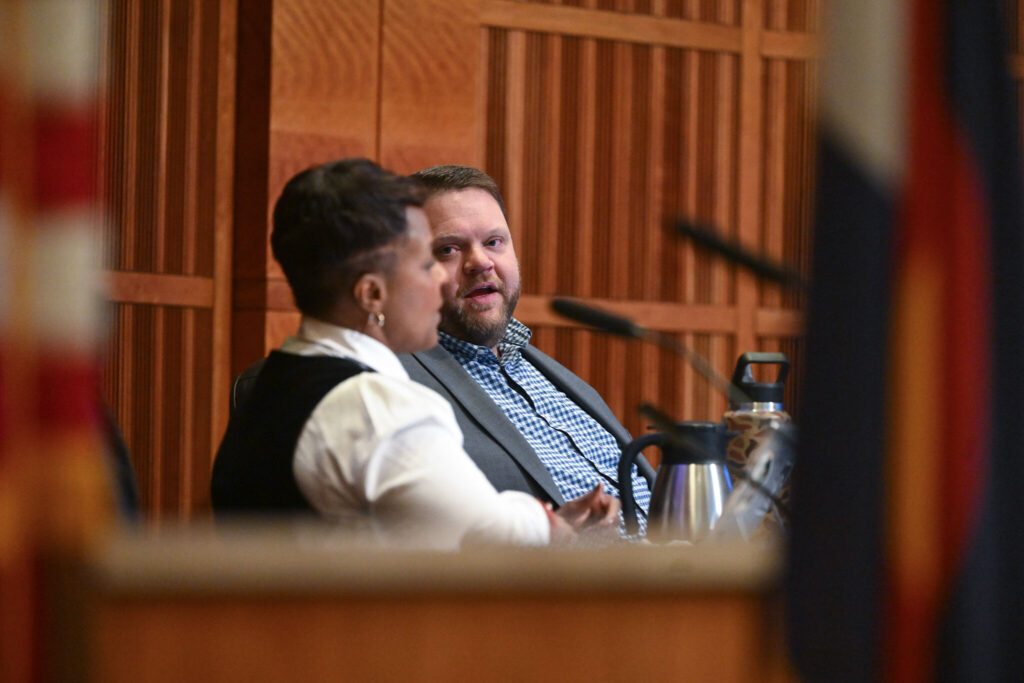
The Aurora City Council will vote on police data sharing and golf equipment purchases in Monday night’s meeting, with both regular meeting and study session agendas much shorter than last time. The first council meeting and study session in January...

Kyla Pearce
Reporter
CU system set to expand collective bargaining rights
Eric Young
eric-young@denvergazette.com
Updated 3 hours ago
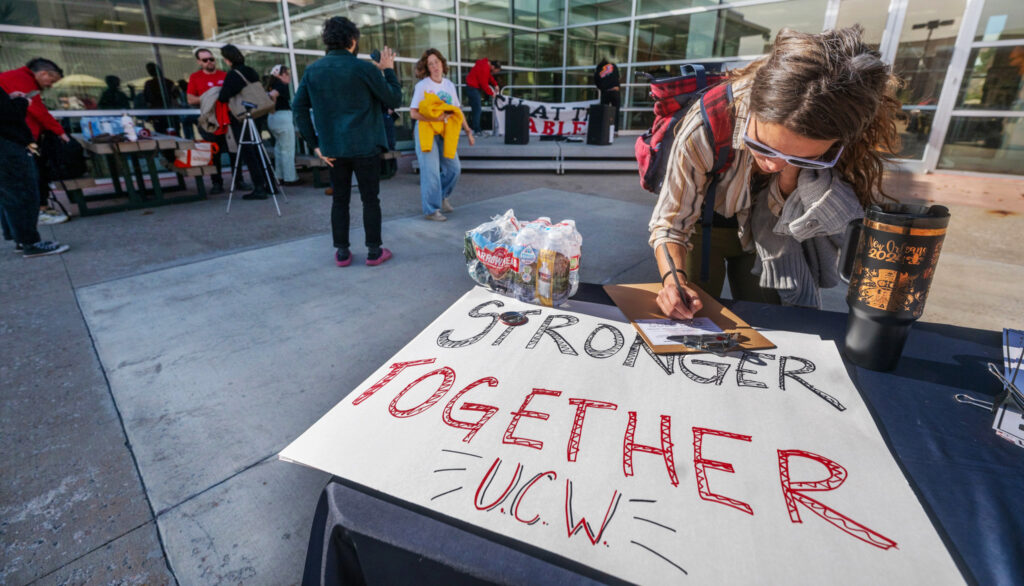
Following recent rallying and advocacy, workers across the University of Colorado system are one step closer to greater collective bargaining. CU Regent Elliott Hood announced a plan to introduce a policy expanding collective bargaining rights for faculty, university staff and...

Eric Young
Reporter

Colorado’s charitable gaming board to study Denver Gazette’s findings
DAVID MIGOYA david.migoya@gazette.com
david.migoya@gazette.com
Updated 2 hours ago
Colorado’s freshman board overseeing the state’s $110 million charitable gaming industry on Friday created a committee to tackle issues raised in a Denver Gazette investigation that exposed, among other issues, poor supervision and illegal operators. The Colorado Charitable Gaming Board,...


Snowstorm may let Monarch Mountain open new No Name basin
Mary Shinn
mary-shinn@denvergazette.com
Updated 1 hour ago
With 5 fresh inches of powder and more forecast, Monarch Mountain is hopeful the storm forecast to last through Saturday will bring enough snow to open its new 377 acres of terrain. “We are very hopeful this storm will give...

Mary Shinn
Reporter
Skybox view: Land broker forecasts where we’re headed, at a moment when all eyes are on Denver
Mark Samuelson
mark-samuelson@denvergazette.com
Updated 4 hours ago
During a week when the entire country is watching helicopter shots of Denver and its mountain skyline, commercial real estate broker Mike Kboudi with Cushman & Wakefield has a skybox view of the real estate playing field, and of where...

Mark Samuelson
Reporter

Colorado traffic deaths climb to 701 in 2025 as officials push new safety measures
Scott Weiser
scott-weiser@denvergazette.com
Updated 2 hours ago
There were 701 traffic fatalities on state roads in 2025 — a roughly 2% increase from 2024, the Colorado Department of Transportation, Colorado State Patrol and Department of Revenue announced at a news conference Friday. Officials noted that last year...

Scott Weiser
Reporter

In an enemy bubble: Broncos fan co-owner of Broadway Patriots bar prepares for ‘rowdy’ gameday
Michael Braithwaite
michael.braithwaite@gazette.com
Updated 3 hours ago
It’s been loud most Sunday afternoons this winter inside South Broadway’s Historians Ale House, but none may louder than the one this week. An island of blue in a sea of brazen orange, the bar and grill is one of...

Michael Braithwaite
Reporter
ACA enrollment in Colorado sees slight dip amid rising costs
Nicole C. Brambila nico.brambila@denvergazette.com
nico.brambila@denvergazette.com
Updated 2 hours ago
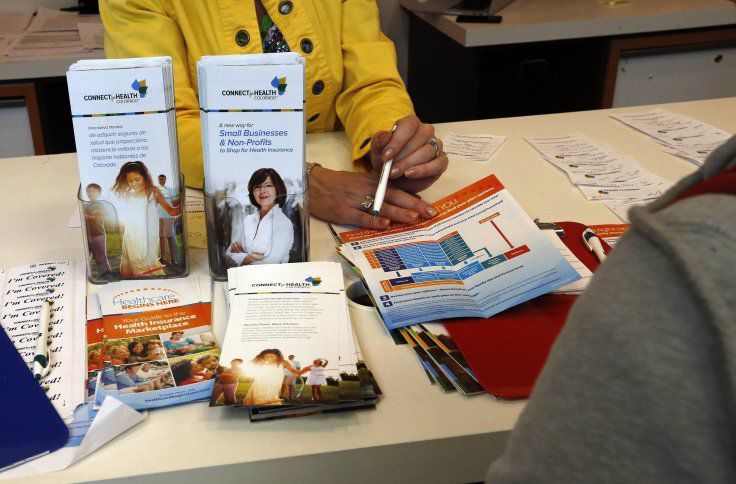
Despite handwringing over enhanced federal subsidies going away for many Coloradans enrolled in health insurance on the state’s marketplace, officials reported Friday just a 2% enrollment dip. More than 277,000 Coloradans enrolled in health insurance through the Affordable Care Act...

Denver, suburbs open warming shelters ahead of deep freeze
Michael Braithwaite
michael.braithwaite@gazette.com
Updated 2 hours ago
Denver and surrounding cities are activating public warming shelters Friday as a deep freeze rolls into the Front Range. After weeks of near-springtime-like weather, the temperature dropped to a high of 15 degrees Friday, with wind chills potentially making it...
Michael Braithwaite
Reporter

Pedestrian dead after two-vehicle crash in Westminster Friday
Michael Braithwaite
michael.braithwaite@gazette.com
Updated 4 hours ago
A pedestrian died Friday morning after he was hit by two vehicles at the intersection of 96th Avenue and Federal Boulevard in Westminster. Investigators believe the 39-year-old man walked into traffic and was hit by the two vehicles, Westminster Police...
Michael Braithwaite
Reporter
PREV
PREVIOUS

CU system set to expand collective bargaining rights
Following recent rallying and advocacy, workers across the University of Colorado system are one step closer to greater collective bargaining. CU Regent Elliott Hood announced a plan to introduce a policy expanding collective bargaining rights for faculty, university staff and undergraduate and graduate workers at all four campuses during a board governance meeting Friday. The […]

Aurora City Council to vote on police data sharing, new golf equipment
The Aurora City Council will vote on police data sharing and golf equipment purchases in Monday night’s meeting, with both regular meeting and study session agendas much shorter than last time. The first council meeting and study session in January lasted almost nine hours combined as members of the public took the podium to talk […]