







Denver 911 wants upgrade to $24M dispatch system

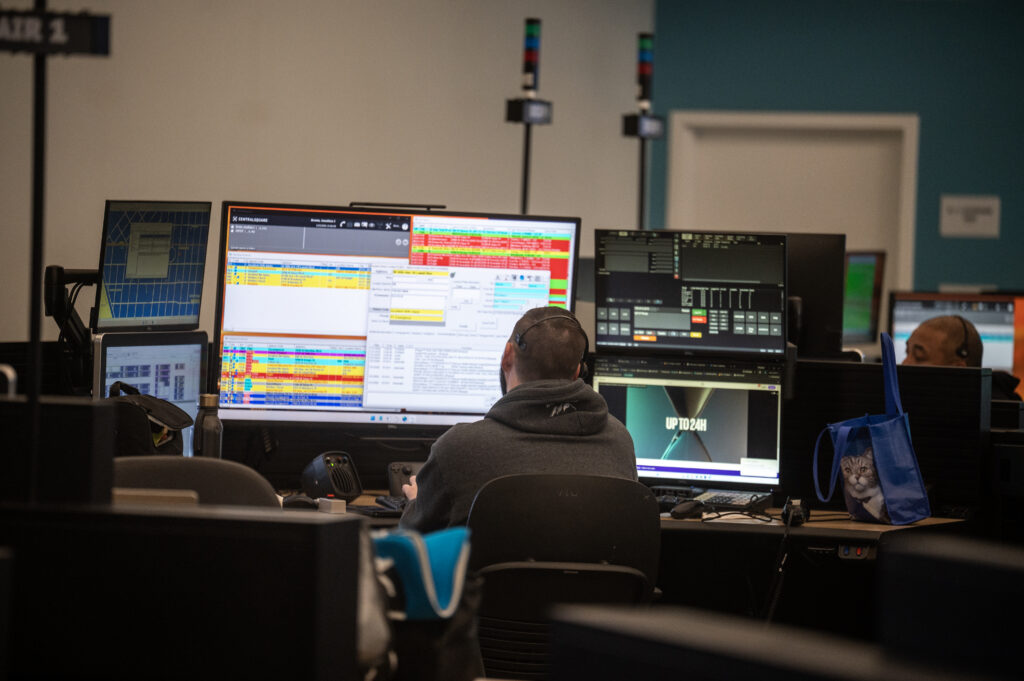
After 23 years on the job and millions of calls, Denver 911 hopes to retire its aging dispatch system in favor of a new $24 million computer-aided dispatch system from Motorola.
The system, sometimes referred to as CAD, documents all 911 calls, field responder movements, dispatch and arrival times, dispositions and clearances.
City officials said the proposed 13-year contract would bring many of the city’s current emergency and non-emergency services under one integrated system, connecting more of the city’s resources to improve the efficiency of service responses.
Right now, the city’s central dispatch hub interfaces with more than 25 separate public safety platforms, which can be challenging, officials said.
“The CAD system that we’re using today was designed at a time when police cars, fire trucks, and ambulances were the only things that 911 was expected to kind of manage in the field,” Director of Emergency Communications Andrew Dameron told members of the city’s Health and Safety Committee on Wednesday. “Today, things look very different — most notably, STAR, a nation-leading program with civilians and clinicians that we are dispatching directly from 911 calls, and we need technology that supports that effort.”
STAR is Denver’s Support Team Assisted Response, in which civilian mental health and medical personnel are dispatched to 911 calls instead of police.
In short, the city has outgrown its current system.
The benefits of the new CAD?
Dameron said the biggest plus would be the system unification between the Denver 911 and the Denver International Airport, both of which operate on separate systems “that require an expensive and unreliable over-the-top solution to allow us to collaborate in real time during emergencies.”
“For example, when a 911 call originates at the airport, it is routed through the primary answering point, the Denver 911,” said Paul Donaldson, who manages the airport’s communications center. “From there, their dispatchers send that out to the airport. Our dispatchers and call takers receive the same level of training as Denver 911, so the continuity of technology, the continuity of training and operations is paramount.”
Other benefits, he said, would include a customizable mobile application that allows residents to report non-emergencies and have those reports go directly into the CAD system, rather than into an inbox or another system that must be monitored by a person.
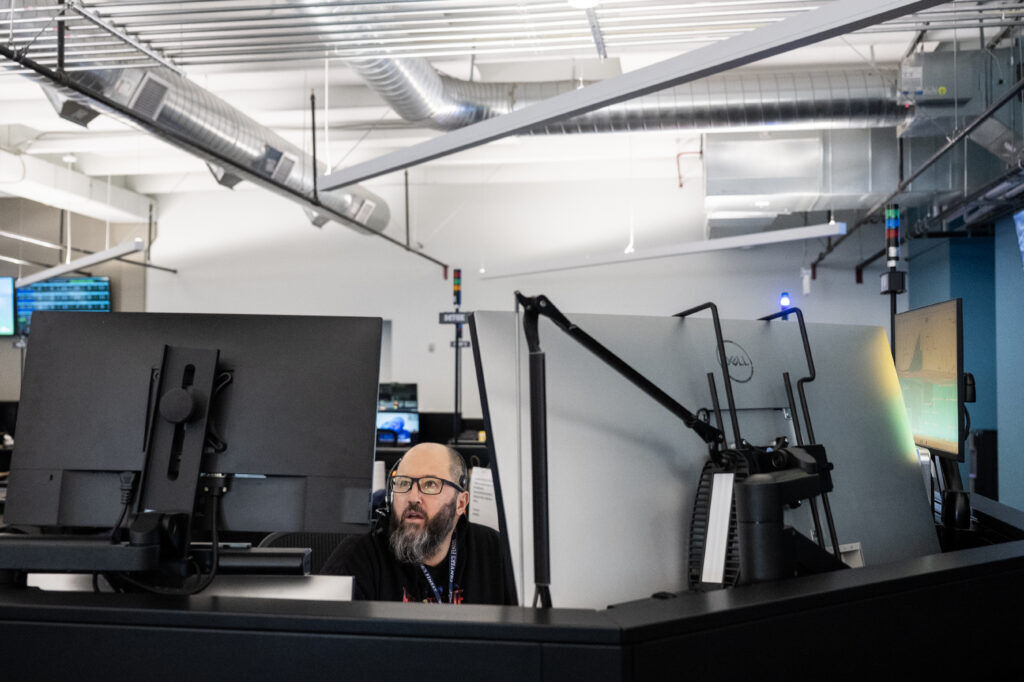
“It (the mobile app) creates a call for service as if they had called,” Dameron said. “So, it reduces our overall call volume, while still getting those reports in, allowing us to dispatch the appropriate response and thereby freeing up call takers to answer the phone when it does ring.”
If the resolution is approved by the full City Council, implementation of the new CAD is expected to take between 12 and 18 months.
Dameron said the lengthy transition is due to the new system being a large platform that needs to connect to many different systems.
“There’s also a great deal of training that has to happen,” he said. “Every single 911 call taker and dispatcher needs to be intimately comfortable and familiar with the software before we just swap them out.”
Residents will not be affected by the system switch-over, which is expected sometime in the summer of 2027.
“This (CAD) is the documentation system that our call takers use, so they’ll be answering the phone the same way, asking the same questions,” Dameron said. “They’re just going to be documenting it in a different system.”
He added: “So, from a resident perspective, really the only notable change —and it is an important one — is that it’s going to open up the opportunity for us to create additional avenues by which folks can reach out to us and seek support, help or what have you, in a non-emergency scenario. 911 will always be the primary contact option for emergencies, but for non emergencies, to give folks the option of reaching out via text or via a chat bot or via a mobile app, and have that directly integrated into the computer aided dispatch software creates a vast opportunity for us to better serve our residents.”
Funding for the $24 million CAD package will initially come from the Denver 911 Trust and will be “split” with DIA.
Last year, Denver’s public safety agency roughly doubled the fee for 911 emergency services, arguing it was necessary to keep operations afloat and meet response-time requirements.
The fee hike — from $1.20 to $2.12 per month — applies to all residents with a phone, whether landline or mobile, registered in the city.
“This change will allow us to maintain operations through the rest of 2025 and set us up for success in some of the infrastructure and staffing moves that we’ve been making over the last few years,” Dameron said previously.
The fee hike would also help keep the 911 Trust afloat, which funds Denver 911 through service charges, he said.
Dameron said that without the increase, the 911 Trust fund would dip below zero, and raising the fee to $2.12 would “keep us solvent through the end of the year.”
The last time the city saw a 911 fee increase was in 2019.
The committee approved the resolution for the new CAD. It now moves to the full City Council for consideration.

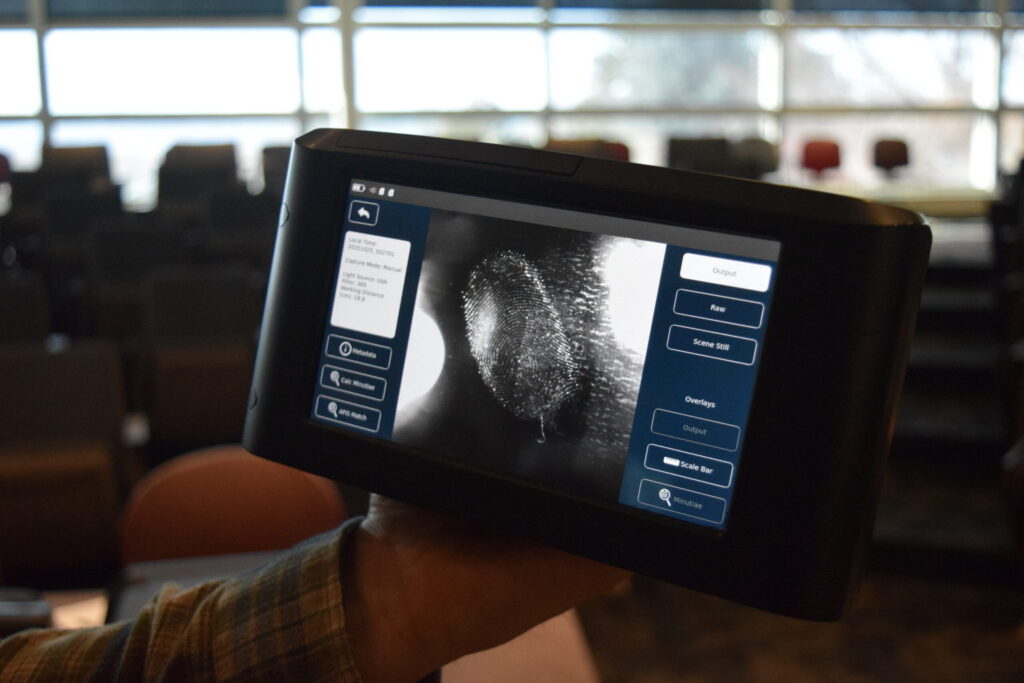
Lakewood Auto Theft Task Force shows off new forensic camera
Sage Kelley
sage.kelley@denvergazette.com
Updated 2 hours ago
A small, four-pound camera looks to drastically change the way crime scenes are processed in Colorado. The Colorado Auto Theft Prevention Authority (CATPA) and the Metropolitan Auto Theft Task Force began training local departments with its new forensics camera on...

Sage Kelley
Reporter
Fort Collins officer arrested for asking woman for explicit photos
Michael Braithwaite
michael.braithwaite@gazette.com
Updated 4 hours ago
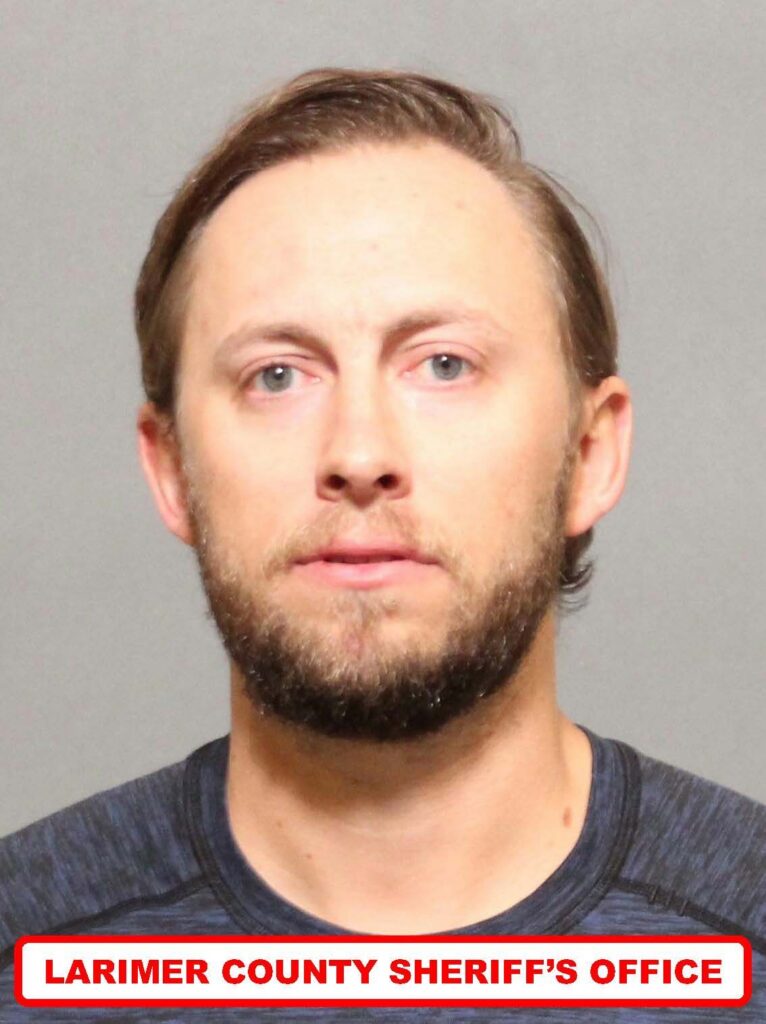
A Fort Collins police officer turned himself in Wednesday on suspicion of attempted sexual exploitation of a child and official misconduct. Andrew Cirone, 31, allegedly asked a woman for explicit photos of herself from when she was a teenager, according...

Michael Braithwaite
Reporter
Family of man fatally shot by DougCo deputy files wrongful death lawsuit
Michael Braithwaite
michael.braithwaite@gazette.com
Updated 11 hours ago
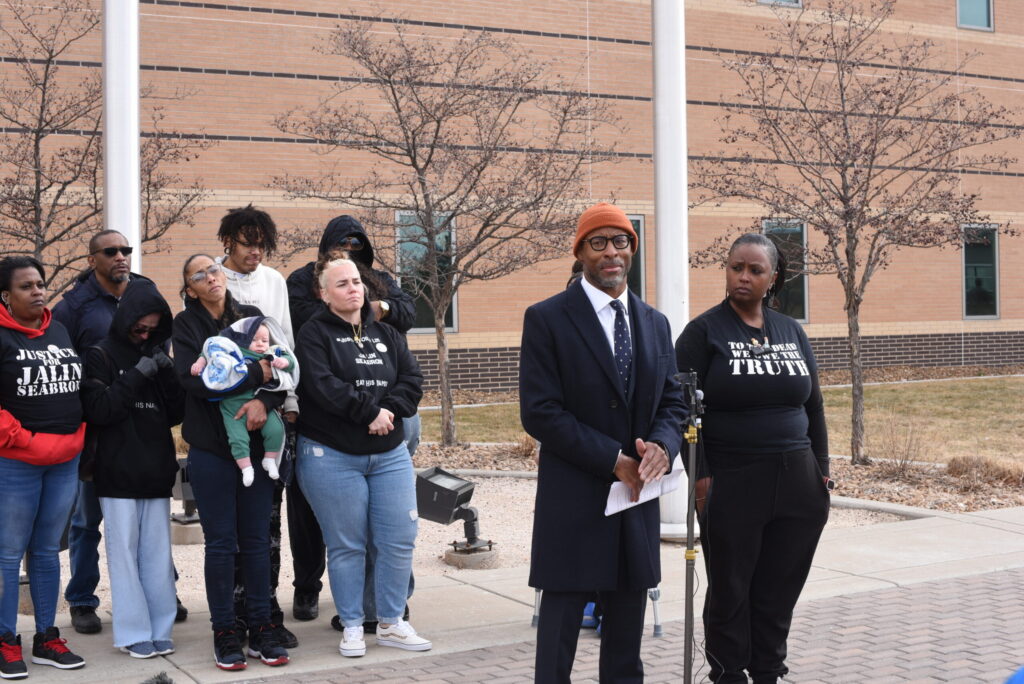
The family of a man who was fatally shot by a Douglas County Sheriff’s Office deputy filed a wrongful death lawsuit against both the deputy and the department. Tyrone Glover, an attorney representing the family of Jalin Seabron, said during...
Michael Braithwaite
Reporter
Second suspect sentenced in 2022 fatal Lakewood apartment fire
Sage Kelley
sage.kelley@denvergazette.com
Updated 1 day ago
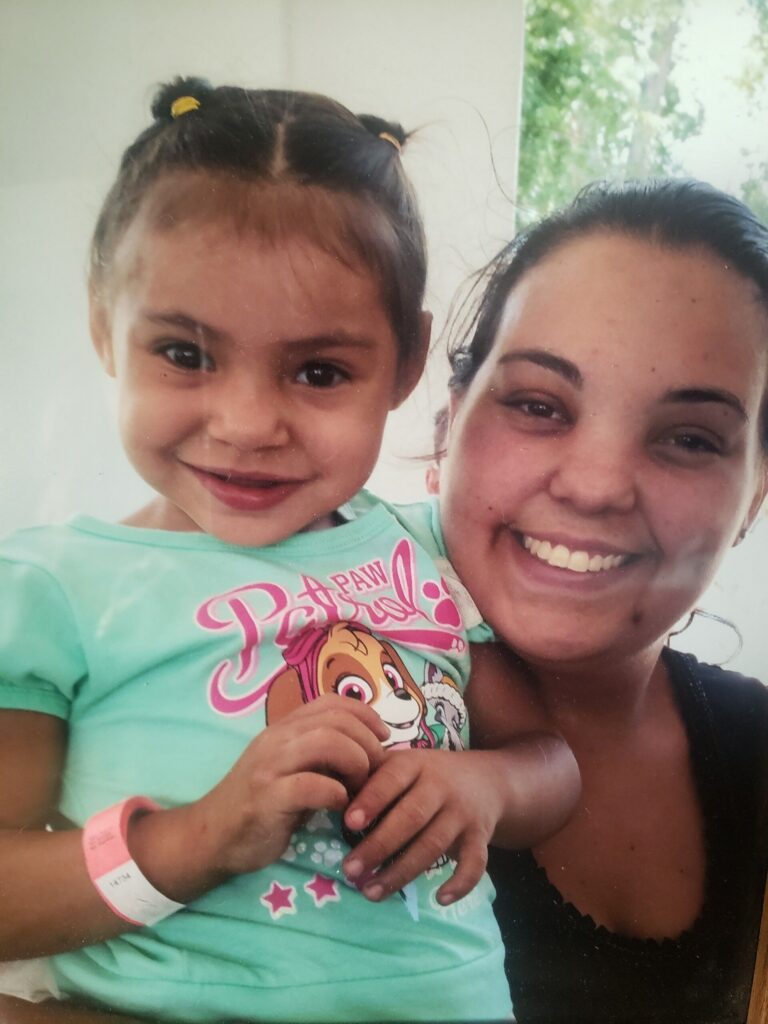
The 15-year-old boy charged with murdering a mother and daughter in an apartment fire years ago was finally sentenced last week. Jefferson County District Judge Lindsay VanGilder sentenced the juvenile to a maximum sentence of seven years in the Colorado...
Sage Kelley
Reporter
DA charges 3 suspects in fatal Thornton burglary attempt
Sage Kelley
sage.kelley@denvergazette.com
Updated 2 days ago
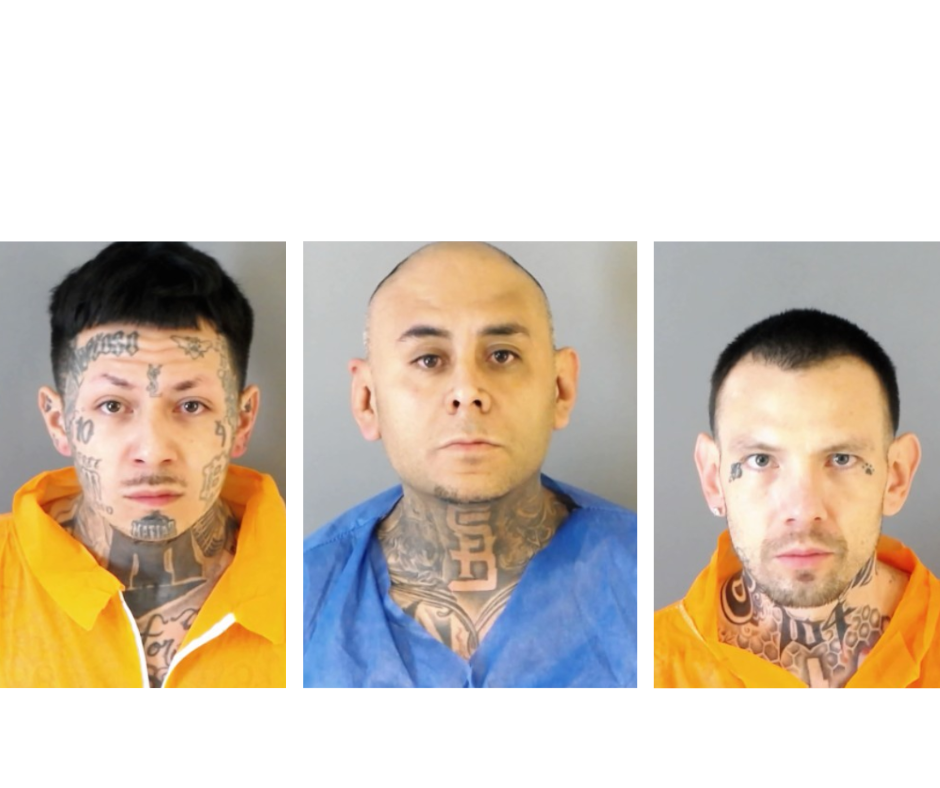
The Adams County District Attorney’s Office filed charges against three suspects in connection to a burglary attempt that ended with a fourth suspect being shot to death. The 17th Judicial District Attorney’s Office filed burglary and crime of violence charges...
Sage Kelley
Reporter

Jeffco counselor pleads guilty on sexual assault charge
Sage Kelley
sage.kelley@denvergazette.com
Updated 2 days ago
A Jeffco Public Schools counselor pleaded guilty to a sexual assault charge Monday morning following a multitude of delays. Chloe Castro — standing next to her defense attorney, Marshall Breit — pleaded guilty to one count of sexual assault on...
Sage Kelley
Reporter

Brighton police lift shelter-in-place order
Daniel Boniface
dan.boniface@denvergazette.com
Updated 2 days ago
Brighton police have lifted a shelter-in-place order that shut down a street in the town Monday morning. Beldock Street was closed between Chavez and Sandoval streets during the incident, the Brighton Police Department said on its official Facebook page. Residents...

Daniel Boniface
Reporter

Teen dies after hit-and-run crash in Aurora
9News
9news@denvergazette.com
Updated 3 days ago
Talal Maaliki, 71, was arrested in connection to the crash at Colfax Avenue and Sable Boulevard that killed an 18-year-old man, Aurora police said. AURORA, Colo. — An 18-year-old pedestrian died on Saturday after being injured in a hit-and-run crash....

9News
Reporter
Aurora hit-and-run leaves man dead, infant hospitalized; teen arrested
Michael Braithwaite
michael.braithwaite@gazette.com
Updated 4 days ago
A teen was arrested by Aurora Police Friday after he fled the scene of a fatal crash he allegedly caused by running a red light. Jonathan Garcia, 19, faces vehicular homicide and reckless driving charges after he ran a red...
Michael Braithwaite
Reporter
Boulder man arrested for creating AI sex images using children’s photos
Michael Braithwaite
michael.braithwaite@gazette.com
Updated 5 days ago
The Boulder County Sheriff’s Office announced Friday it had arrested a man for allegedly altering real children’s photos into sexual material using artificial intelligence. Daniel Fairchild, 72, faces 23 counts relating to the sexual exploitation of a child, including producing...
Michael Braithwaite
Reporter
PREV
PREVIOUS

Buc-ee's withdraws Palmer Lake application
DECK: Spokesman says company still wants to build a travel center in region The long battle in Palmer Lake over supersized travel center Buc-ee’s may be over. The town confirmed Wednesday that the contentious annexation application by Buc-ee’s developers has been withdrawn. Mark Waller, a consultant with the company, said that there “really wasn’t much […]

New York ❤️ Colorado Symphony
Arts news: ‘Shrek’ drama deepens; important internment play in Brighton; Irving salutes Olympic grandkids The Colorado Symphony is still floating on an apex after last weekend’s historic tour gave 15,000 New Yorkers a listen to the best our state has to offer the orchestra world. Team Colorado played two instantly sold-out concerts with Boulder folk-rock […]