







GUEST COLUMN: Empowering Colorado’s parents and workforce
Colorado parents know a simple truth that policymakers too often ignore: no two children learn the same way. Yet for decades, weve asked families — especially working and middle-income families — to fit their children into rigid systems instead of building systems that fit children.
Thats starting to change.
At a recent press conference, Gov. Jared Polis proudly announced that Colorado is the first Democratic-led state in the nation to opt into the new federal scholarship tax credit. That matters — not as a political statement, but as a signal that empowering families and strengthening our workforce can transcend party lines. Twenty-three Republican-led states (governors) have officially opted into the program so far.
The program is straightforward. Taxpayers may donate up to $1,700 to qualified education nonprofits and receive a dollar-for-dollar federal tax credit. Those funds support K-12 students through scholarships, tutoring, after-school programs, special education services, and other educational supports. Importantly, this is not public spending. These scholarships are funded entirely through private donations — not state dollars and not federal education budgets.
That distinction matters.
For parents, this policy is about agency. It recognizes what families already know: parents are best positioned to decide what educational environment works for their child. Some students thrive in traditional public schools. Others need tutoring, specialized services, or a different learning model altogether. This policy doesnt dictate outcomes — it gives families the ability to choose.
For Colorado’s business community, this is a workforce issue hiding in plain sight. Education outcomes directly affect labor readiness, productivity, and long-term competitiveness. Employers consistently say they need workers who can read proficiently, think critically, adapt quickly, and show up prepared. Those skills begin long before a resume is submitted.
The results are measurable. Colorado-based scholarship organizations report strong gains in literacy, math proficiency, graduation rates, and post-secondary success. These outcomes correlate with lower crime, reduced dependency on social services, and a stronger workforce. Investing early reduces costs later — a principle every business leader understands.

What makes this policy especially compelling is that it expands opportunity without weakening public schools. No funding is diverted from school districts. Instead, private dollars are mobilized to address unmet needs — tutoring gaps, learning loss, and special education supports — that systems alone often struggle to meet.
This is not about privatizing education. It is about modernizing it.
Education today must be flexible, responsive, and student-centered. We dont expect a single business model, health plan, or career pathway to work for everyone. Education should be no different. This policy embraces innovation and allows communities to respond to student needs in practical ways.
Just as important, it treats families with dignity. This is not a handout. Qualified programs include accountability requirements, parental engagement, and guardrails to ensure funds directly benefit students. Parents are partners, not passive recipients.
Some critics argue that expanding educational choice undermines public education. That argument misses the point.
Public education is not weakened when families receive additional support. It is weakened when students fall behind and we pretend one system can meet every need. Choice without resources is an empty promise, particularly for low and middle-income families. This policy fills that gap without taking a single dollar from public classrooms.
Colorados employers now have an opportunity to invest directly in the future workforce while receiving a full federal tax credit. This is not charity. It is a strategic investment in human capital.
Business leaders, chambers of commerce, and entrepreneurs should engage with trusted education nonprofits and help strengthen the talent pipeline Colorado will rely on for decades to come.
When we invest in children on their terms we invest in parents, productivity, and prosperity.
That is a return Colorado cannot afford to ignore.
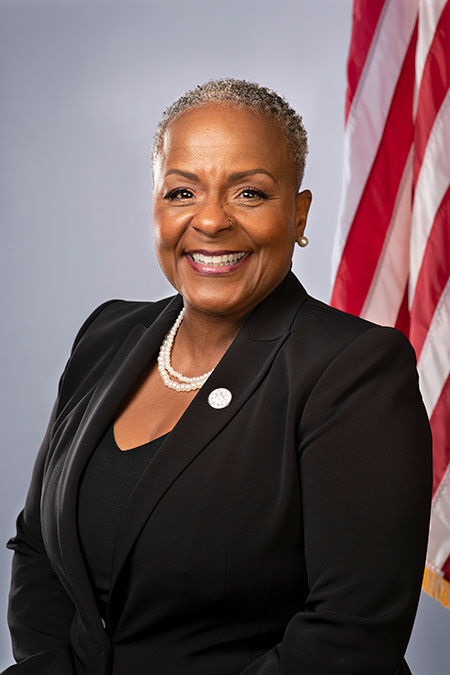
Stephanie Hancock is a Colorado civic leader and small-business advocate focused on public safety, economic growth and practical solutions that strengthen families and communities. She currently serves on the Aurora City Council.