







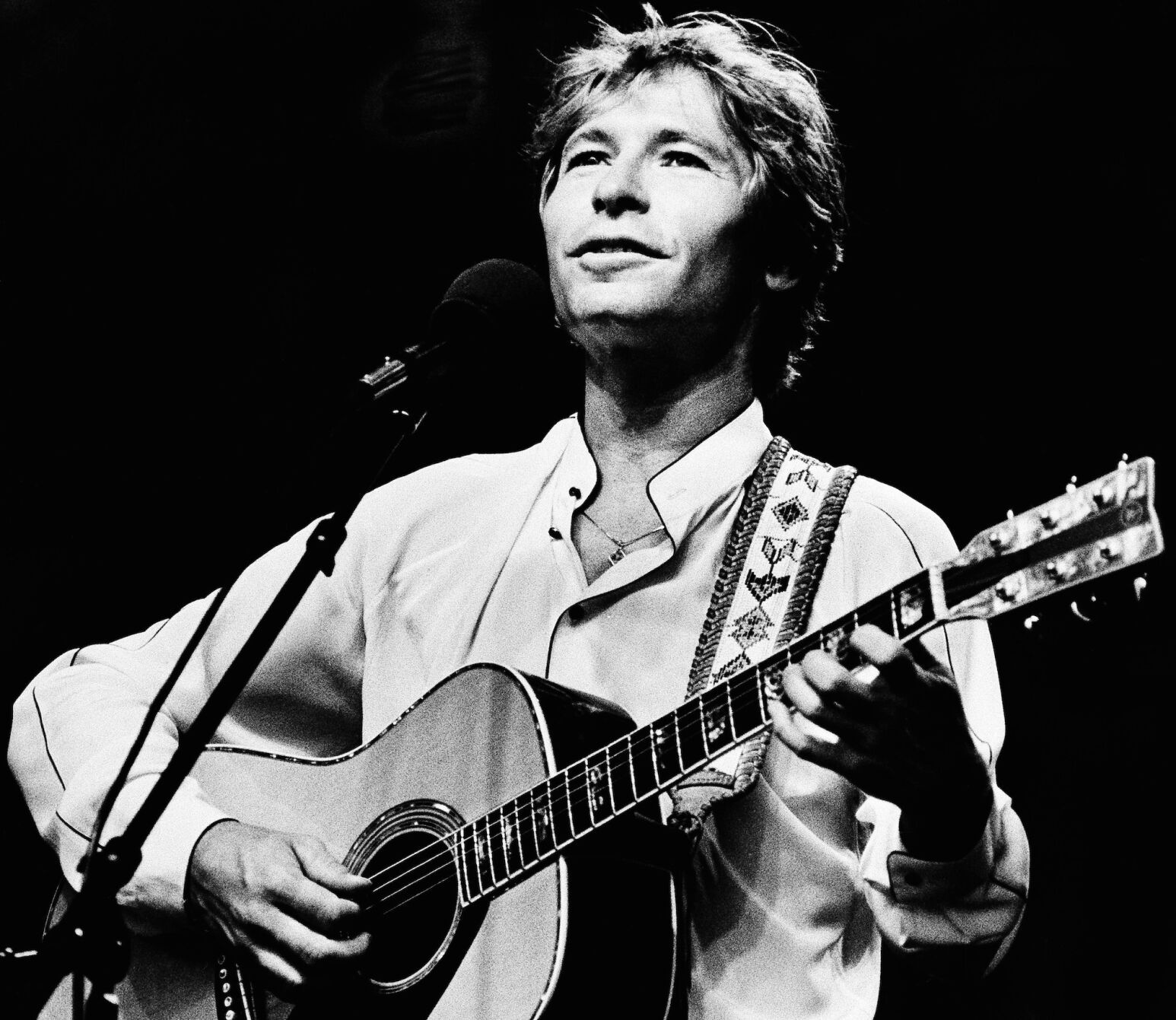
Top of the poll: It’s John Denver, Colorado’s Rocky Mountain Highlight

The Colorado 150, Part 6 of 6: When choosing the state’s most significant cultural pathmaker, the choice between Helen Bonfils and the beloved singer came down to a soccer match

After six months of deliberation, it comes down to this: The woman who gave Denver its class. Or the man who gave Colorado its voice.
Miss Helen or John Denver?
The final hour has arrived, and 148 of the 150 entries are set in The Denver Gazette’s Colorado 150 – a curated endeavor to identify those cultural pathmakers who have most shaped how the world sees Colorado – and how we see ourselves. Over the past six Sundays, we have recounted writers and creators, performers and artists, architects and builders, tastemakers and influencers. Distilling these 150 giants down to one tight paragraph each has been like trying to fit a mountain range into a postcard.

As a publisher, producer, philanthropist and performer, Helen Bonfils built the literal foundations of our culture. John Denver is the musical and environmental icon whose uplifting 1972 anthem “Rocky Mountain High” remains one of our official state songs. He represents the emotional marrow of our state, bridging urban concrete to alpine sky.
Who, in the end, is No. 1? It’s a choice between the person who largely built Colorado’s cultural institutions and the person who created its emotional mythology.
And for us … it came down to soccer.
Last month, nearly 30 years after his death in a plane crash, U.S. Soccer officially selected Denver’s “Take Me Home, Country Roads” to play after every American victory. Seeing 70,000 belt it out in unison was a moment of paradox: a song explicitly detailing the geography of West Virginia, written by a man who legally changed his name to match the Rocky Mountains, being sung by an entire nation on the international sports stage. Each note reaffirming Denver’s enduring place as the definitive, cross-generational embodiment of the Rocky Mountain dream.
The World Cup made it plain that Denver’s music remains a source of universal comfort in an increasingly fragmented world. The huge resurgence of interest in his music this summer proves that the man is no longer just a musician – he is forever woven into the fabric of American identity.
“John is gone, but his spirit is not gone,” his first wife, Annie Denver, told me in 2001. That’s as true now as it was then.
“I don’t think John knew how loved and respected he was when he died. But I think he would be truly amazed and very pleased at what has happened since his death.”
Miss Helen built a launchpad, but John Denver launched Colorado into the global imagination.
Colorado’s top 25 cultural pathmakers:
1. When John Denver (1943-97) died, perhaps the only person not certain of his public and private legacies was Denver himself. Born Henry John Deutschendorf Jr., the beloved singer-songwriter adopted his stage name from Colorado’s capital. “I liked it because my heart longed to live in the mountains,” he said. He lived in Aspen and was named the state’s poet laureate in 1974. Beyond the Rockies, his impact reached far beyond Colorado: He co-founded the Windstar Foundation, served on the Presidential Commission on World Hunger and advocated for wildlife conservation. Nearly 30 years after his death, Denver’s music and activism continue to inspire listeners to protect the planet.
2. Helen Bonfils (1889-1972) was a force who transformed Denver into a premier destination for the performing arts. Upon inheriting The Denver Post in 1933, she shattered glass ceilings by steering the newspaper for more than 30 years, eventually becoming the nation’s first female major daily newspaper publisher. But her heart belonged to the stage. Acting under the pseudonym Gertrude Barton, she performed at Denver’s Historic Elitch Theatre and became a successful producer on Broadway. Locally, she funded the Belle Bonfils Blood Bank and built the Bonfils Memorial Theatre, which for decades stood as the city’s premier performing space. (It’s now the Tattered Cover Bookstore.) Her ultimate legacy was realized posthumously when attorney Donald Seawell used her immense fortune to establish and permanently endow the Denver Center for the Performing Arts.
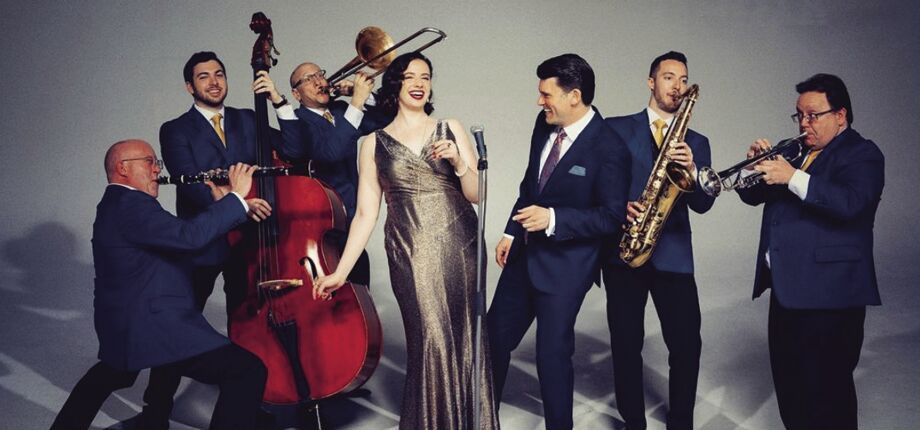
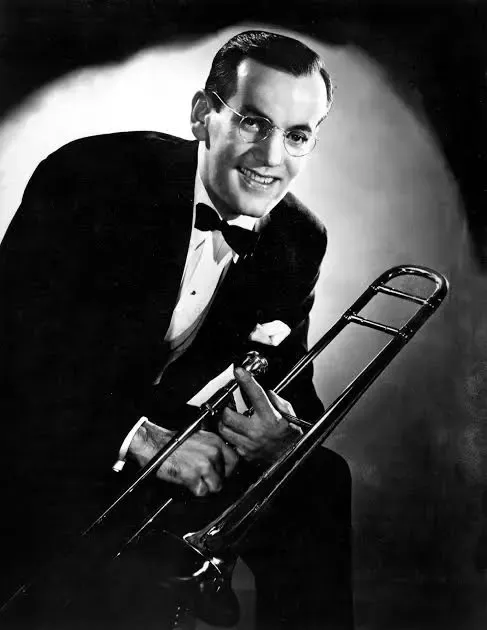
3. Glenn Miller (1904-44), who first picked up a trombone during his formative years as a star athlete at Fort Morgan High School, was the definitive musical voice of the World War II generation. Though he only spent three semesters at the University of Colorado Boulder in 1923-24 before dropping out to tour, his brief time on campus shaped the rest of his life. Miller went on to define the Swing Era as America’s premier big-band leader, unleashing timeless anthems like “In the Mood,” “Moonlight Serenade” and “Chattanooga Choo Choo” – the last of which earned him the world’s first-ever Gold Record in 1942. Between 1939-43, he was the bestselling recording artist in the U.S. At the height of his fame, he enlisted to lead the U.S. Army Air Forces band. He was declared missing in action on Dec. 15, 1944, when his flight vanished over the English Channel on the way to Paris. Today, his legacy endures on the CU campus, which houses both the Glenn Miller Collections archive and the Glenn Miller Ballroom, named after a 1953 student-body vote. The present Glenn Miller Orchestra was formed in 1956 and has been touring worldwide ever since.
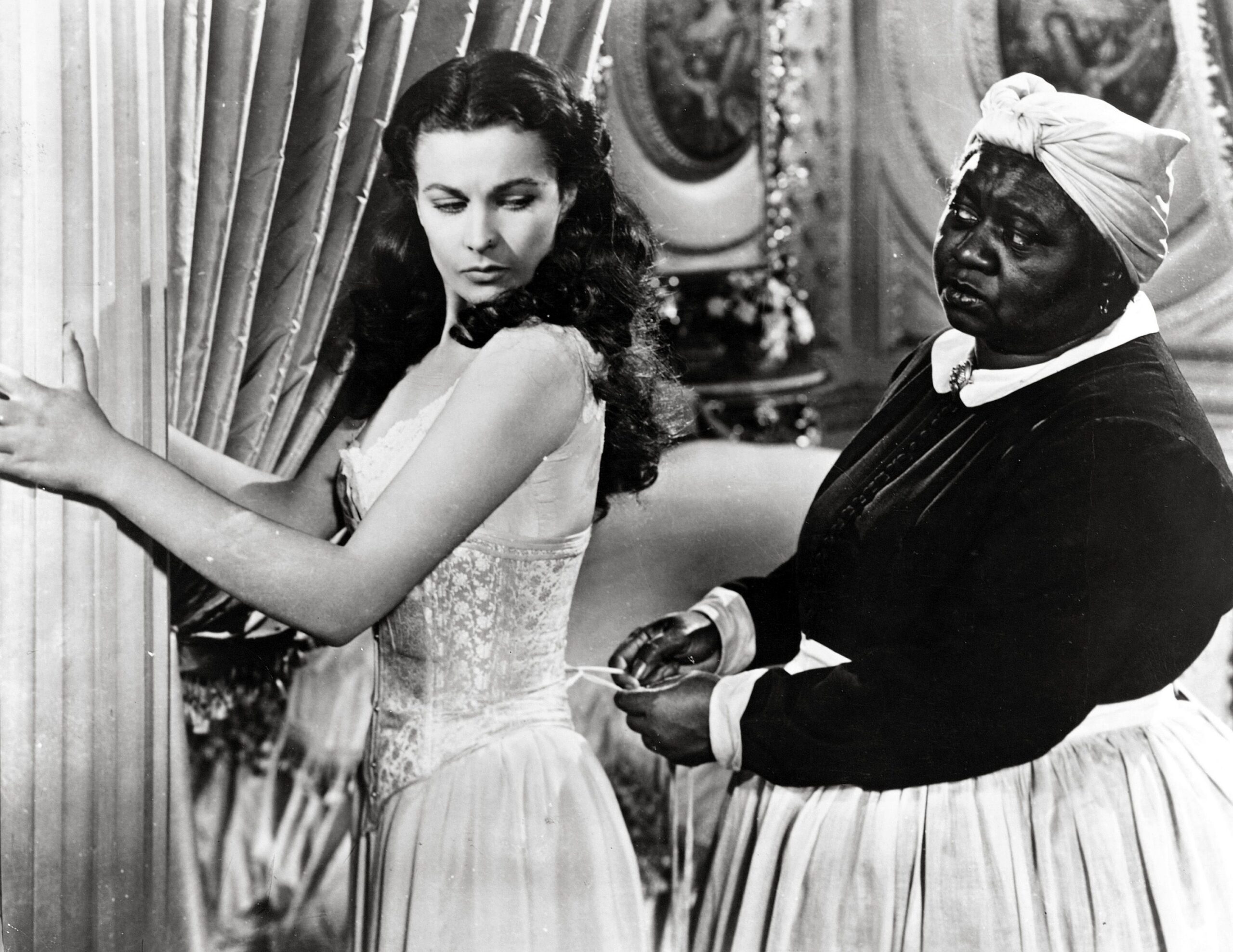
4. Hattie McDaniel (1893-1952) was the first Black actor to win an Academy Award for her role as Mammy in “Gone with the Wind.” But her still large Denver family has worked for generations to expand that inadequate narrative. Despite being forced to sit at a segregated table during the 1940 Oscars ceremony, McDaniel used her historic success to champion civil rights and fight housing discrimination. Her family moved to Five Points in 1901, but she took the musical talents she cultivated at Denver East High School to Hollywood before graduating. She came home in 1925 and made history as the first Black woman to sing on any American radio station when she performed on KOA. In 1947, she became the first Black actor to star in her own network radio show, “Beulah.” Though she faced intense industry typecasting and subsequent criticism for accepting servant roles, her legacy as a civil-rights advocate remains defined by her enduring defiance. As she famously countered her critics: “I would rather play a maid than be one.”

5. Cable TV pioneers Bob Magness (1924-96), John Sie (b. 1936) and John Malone (b. 1941) collectively transformed Denver into the Cable Capital of the World. Together, they built Tele-Communications Inc. (TCI) into a massive media titan that wired America and laid the physical groundwork for the modern broadband internet. Each played a pivotal role in the revolution. Magness, a former cattle rancher, founded TCI in 1956 and used aggressive, high-risk financing to string early lines across rural markets. In 1973, he hired Malone, a brilliant engineer and master strategist nicknamed the “Cable Cowboy.” He saved the company from near-bankruptcy and engineered massive corporate acquisitions. Sie founded Denver-based Starz Encore Group in 1991, revolutionizing premium television. Their collaborative empire reshaped how the world consumes entertainment, news and information. Sie, born in China and namesake of Denver Film’s Sie FilmCenter, is also the chief benefactor behind the Global Down Syndrome Foundation. “I’m eternally grateful to come to this country on nothing but a vision,” he told me in May.
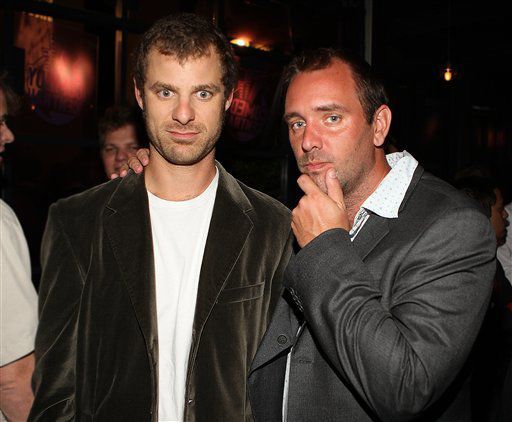
6. The wickedly subversive Colorado duo of Trey Parker (b. 1969) and Matt Stone (b. 1971) changed pop culture forever when they met at the University of Colorado and began slicing up construction paper. In Boulder, they shot the cult-classic film “Cannibal! The Musical.” Drawing direct inspiration from their home state, they next created “South Park,” the unapologetic animated satire whose streaming rights fetched a colossal $900 million in 2021. On Broadway, their musical “The Book of Mormon” became a juggernaut, grossing $1.2 billion worldwide. Parker, who fell in love with live theater performing with the Evergreen Players, insisted that the show’s national tour debut in Denver in 2012. Most recently, the duo poured $50 million into rescuing Lakewood’s historic Casa Bonita from bankruptcy. Last month, Parker joked that saving the restaurant was “a dumb thing to do,” but The Denver Post estimated its current annual revenue at $23.7 million.
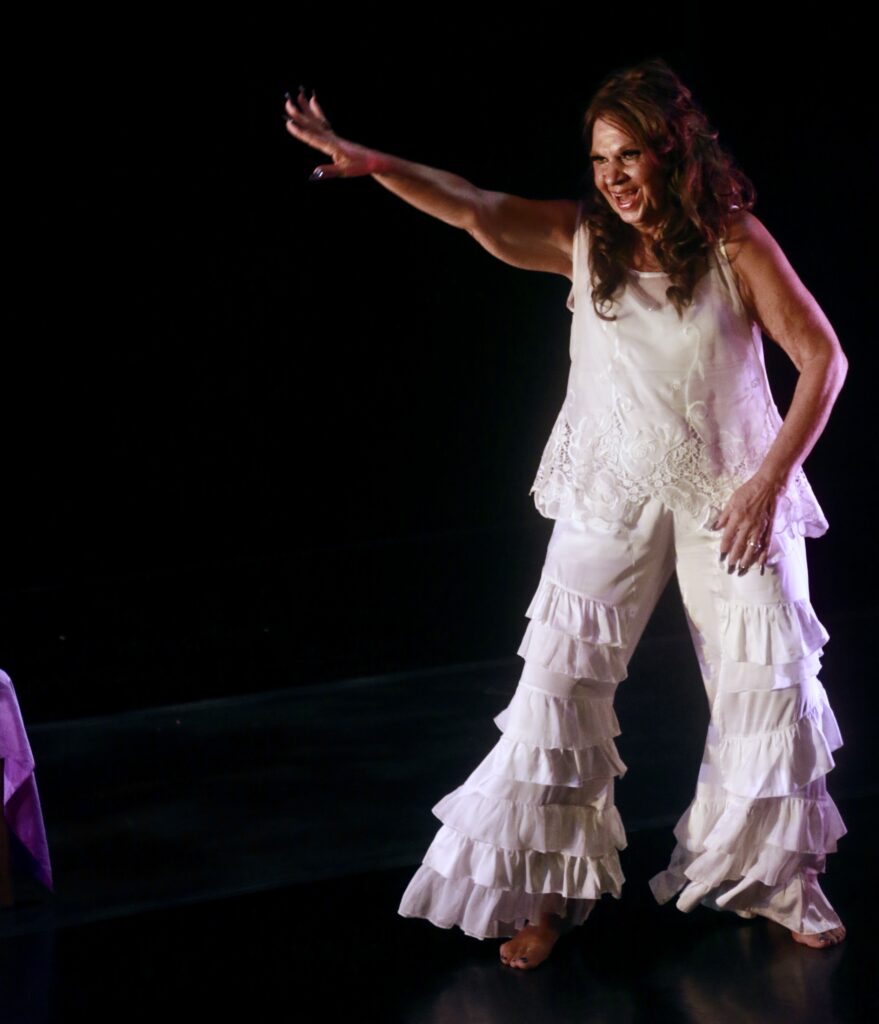
7. Cleo Parker Robinson (b. 1948), the most significant dance figure ever to come out of Colorado, has spent 55 years building an internationally acclaimed modern-dance empire dedicated to blending dance, social justice and community healing. Recently, the 77-year-old visionary finished off a $25 million capital campaign to open the 25,000-square-foot Cleo Parker Robinson Dance Center for the Healing Arts in Five Points. She also took on an enormous personal challenge by performing her first solo piece in four decades at the Denver Dance Festival. Robinson, a graduate of George Washington High School, grew up at the historic Bonfils Memorial Theatre under the guidance of her father, Jonathan Robinson, who famously rose from the building’s janitor to its first Black leading man. In January, she received the Association of Performing Arts Professionals’ lifetime achievement award. ”You have to learn how to dance to know how to move with others – no matter what language, what background, how young, how old,” she said.
8. Donald Seawell (1912-2015): Absolutely no one was clamoring for the Denver Performing Arts Complex to be built in a decaying corner of downtown in 1970. Except, that is, for “Dapper Don.” The Denver Post publisher and confidant to Helen Bonfils was driven by the belief that Denver would never be considered a great city until it had a world-class arts center. Seawell engineered the controversial sale of The Denver Post in 1980 to the Times Mirror Company for $95 million, placing the proceeds into the Helen G. Bonfils Foundation to permanently endow the Denver Center for the Performing Arts. Whether he acted out of civic altruism or personal vanity remains a matter of debate but, decades later, the Denver Performing Arts Complex is the inarguable heartbeat of downtown. And the DCPA claims to be the largest nonprofit theater organization in America. Seawell was beloved, reviled, respected and feared. When he retired in 2006, I wrote: “What he has done for Denver may make him the most significant cultural figure in its history.” Today, I say … Yeah, OK, No. 8 is good.
(Steve Peterson, Special to The Denver Gazette)
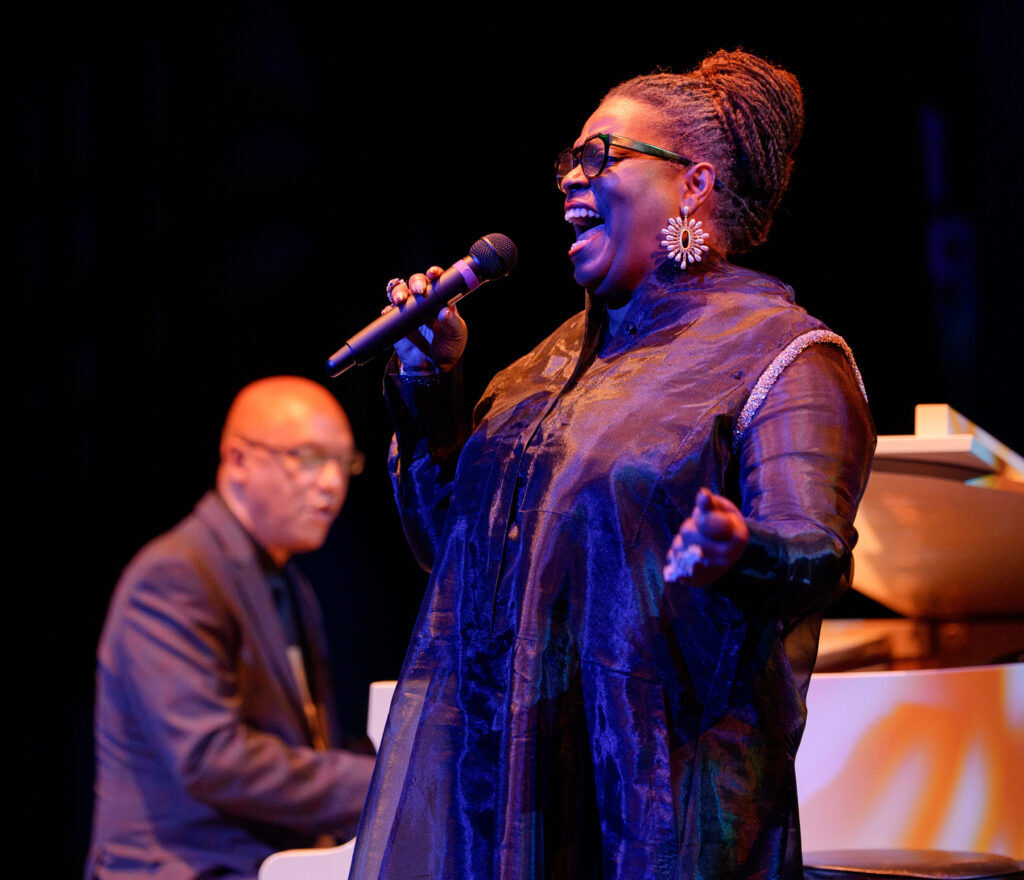
9. Dianne Reeves (b. 1956): With five Grammy Awards and the title of NEA Jazz Master – the highest honor the U.S. government bestows upon living jazz musicians – Reeves is a monumental figure in Colorado’s cultural landscape. Reeves grew up in Denver under the musical guidance of her uncle, classical bassist Charles Burrell (No. 10 on our list), and honed her virtuosic talents at George Washington High School and the University of Colorado. Reeves was the first artist to win Grammys for three consecutive albums. She contributed powerful improvisational vocals to Viola Davis’ film “The Woman King,” recorded here in Denver at Rocky Mountain Recorders. She was also a core creative force in George Clooney’s Academy Award-nominated 2005 film “Good Night, and Good Luck,” serving as an onscreen actor and sole vocalist for the soundtrack. Reeves moved back to Denver’s Park Hill neighborhood in 1992, frequently headlining local jazz festivals and collaborating with the Colorado Symphony.
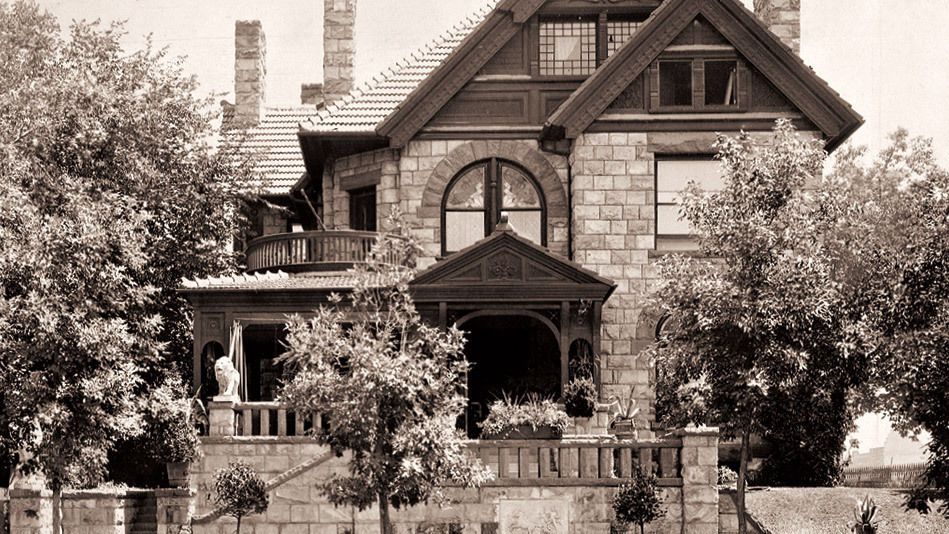
10. Philanthropist and activist Margaret “Molly” Brown (1867-1932) was the original social influencer. She earned her place as a global icon by surviving the 1912 sinking of the Titanic, where she famously commandeered Lifeboat 6 to search for survivors. Though she never went by “Molly” in life, her bravado inspired decades of pop culture, starting with Debbie Reynolds’ Oscar-nominated portrayal in the hit 1964 MGM musical “The Unsinkable Molly Brown” and continuing through Kathy Bates’ memorable performance in the 1997 film “Titanic” ($2.26 billion lifetime gross). Her story also birthed two Broadway musicals – with the celebrated 2014 revival starring Beth Malone (No. 78 on our list) born right here at the Denver Center for the Performing Arts. In Colorado, the Leadville-to-Denver socialite was a tireless champion for workers’ rights, women’s suffrage and juvenile justice reform. Today, her legacy as a cultural pathmaker is preserved at Denver’s historic Molly Brown House Museum.
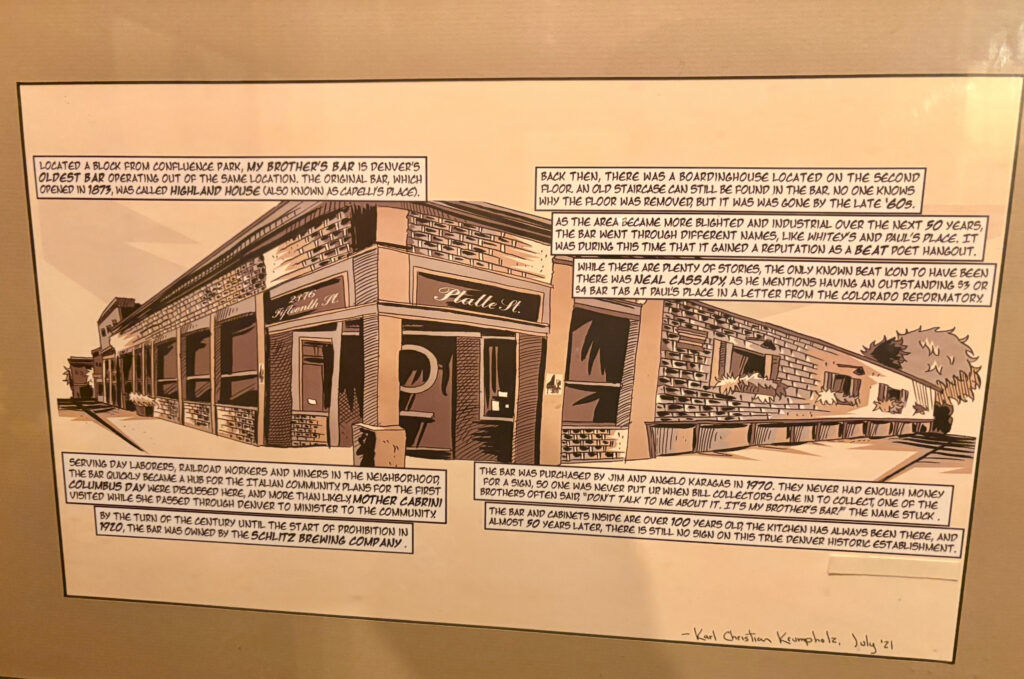
11. The Beats: While not born here, Colorado can absolutely claim the big three of the Beat Generation – Jack Kerouac (1922-69), Neal Cassady (1926-68) and Allen Ginsberg (1926-97) – as our own. Cassady, the group’s muse, was born in Utah but grew up on Larimer Street, attended Denver East High School and inspired the character of Dean Moriarty in “On the Road.” The novel’s jazz-inflected prose style was sparked by a sprawling, 18-page letter Cassady sent to Kerouac detailing his wild Denver exploits. Kerouac called it “the greatest piece of writing I ever saw,” using its energy to reshape his fiction. Ginsberg further immortalized the city in his poem “Howl.” Locally, My Brother’s Bar was their stomping ground. Cassady met his second wife at the Colburn Hotel (home of Charlie Brown’s). Kerouac bought a home in Lakewood. Together, they ignited a countercultural movement that paved the way for the 1960s hippie movement by championing raw emotional honesty with their new form of spontaneous poetry that upended the rigid, academic prose of the time.
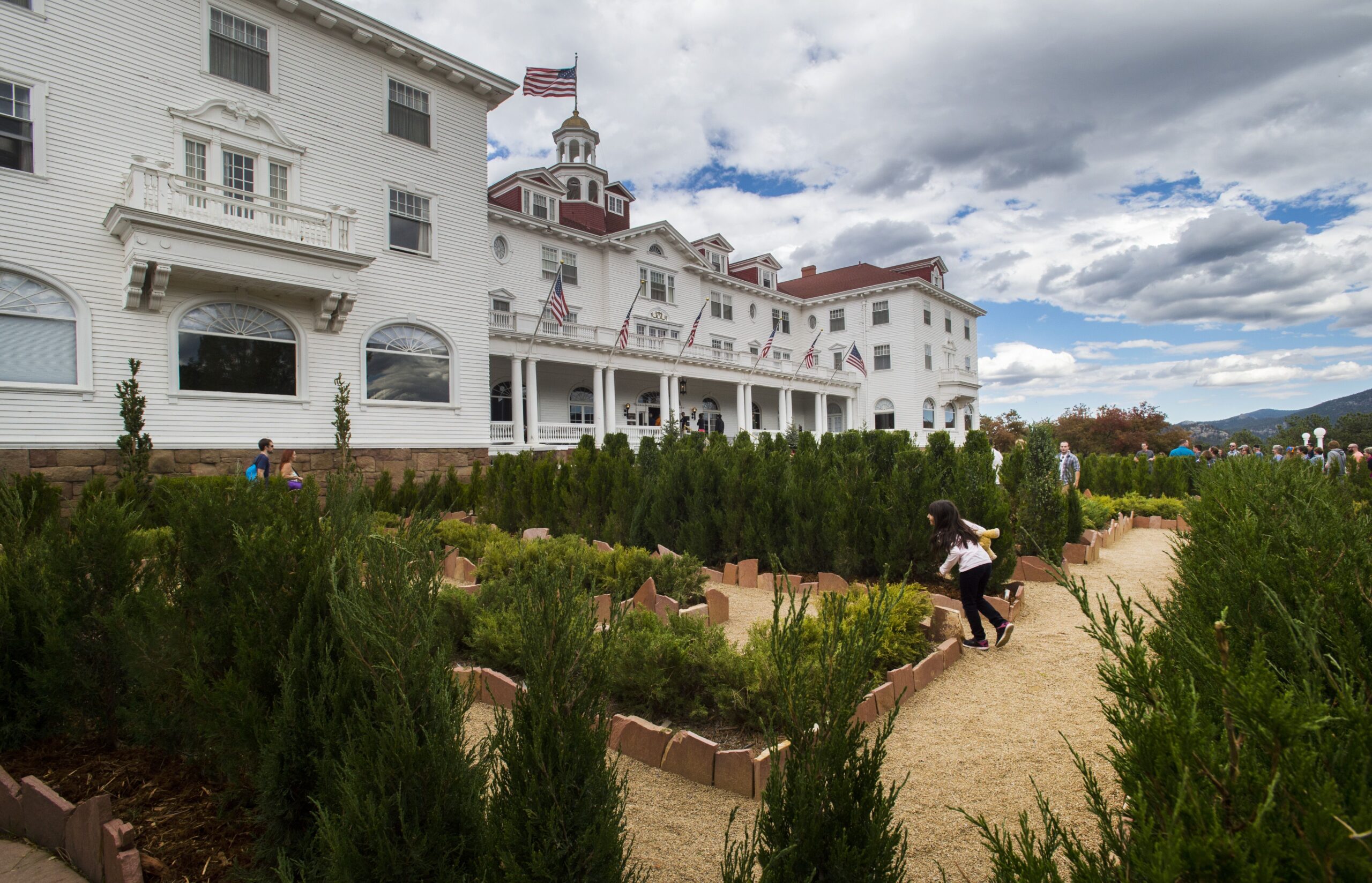
12. Stephen King (b. 1947) came to Boulder in 1974 seeking a change of pace after early successes like “Carrie” and “Salem’s Lot.” Though he lived here for less than a year, it changed his career trajectory. Everywhere he looked – the rugged mountains, the unforgiving winter weather and the innate isolation – King saw a catalyst for terror that directly birthed his masterpieces “The Shining” and “The Stand.” The plot for “The Shining” famously hit him during a weekend getaway at the Stanley Hotel in Estes Park, where he and his wife were the only guests on the night it was closing for winter. King later returned to the state’s geography for his 1987 psychological thriller “Misery,” which he set in a fictional Colorado town. In 2005, King published a short crime novel titled “The Colorado Kid” that, ironically, is set entirely on an island in Maine.
13. Long before becoming a bestselling novelist, James Michener (1907-97) earned his master’s degree in 1936 at what is now the University of Northern Colorado in Greeley, then taught social studies there for four years. Michener returned to Colorado in 1970 at the invitation of the Colorado Centennial Commission to craft a literary centerpiece for the state’s upcoming 100th anniversary of statehood, which coincided with the 1976 U.S. Bicentennial. “Centennial,” published in 1974, was hailed as the definitive Colorado epic. Drawing heavily from his own exploration of the South Platte River, the sprawling, 900-page novel (essentially set in Weld County) details the history of northeast Colorado from the dinosaurs through 20th-century sugar-beet farmers. Though written through a fictional lens, Michener forced modern readers to confront the horrific reality of the 1864 Sand Creek Massacre, perpetrated by Col. John Chivington and Colorado volunteer cavalry troops.
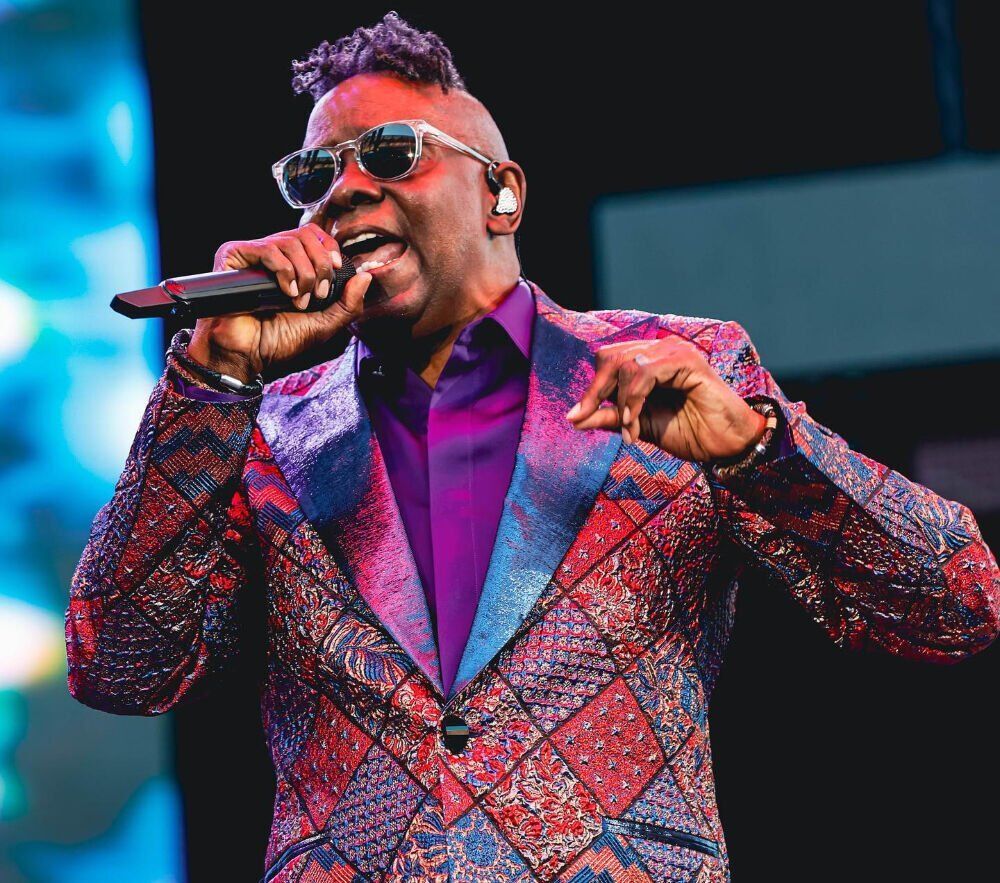
14. Philip Bailey (b. 1951): Earth, Wind & Fire, winner of six Grammy Awards, was born in Chicago of Denver roots. How? Bailey, he of the signature four-octave falsetto, Larry Dunn (b. 1953) and Andrew Woolfolk (1950-2022) all graduated from Denver East High School. They formed a soul-fusion group called Friends & Love that opened for Earth, Wind & Fire at a 1971 concert in Denver. Blown away by their talent, bandleader Maurice White subsequently scooped them up to finalize the band’s core lineup. “We were very fortunate to come up in a time when music in the Denver Public Schools system was very supported and very serious,” Bailey told me in 2022. The band put life-affirming, exuberant music into a socially convulsing world with timeless classics like “Shining Star,” “September” and “Boogie Wonderland.” After five decades and 90 million records sold, you might think Bailey, at age 75, would step back. But, “Where would I step back to?” he asked me. “This is who I am.” Catch them on July 31 at Ball Arena co-headlining with Lionel Richie.
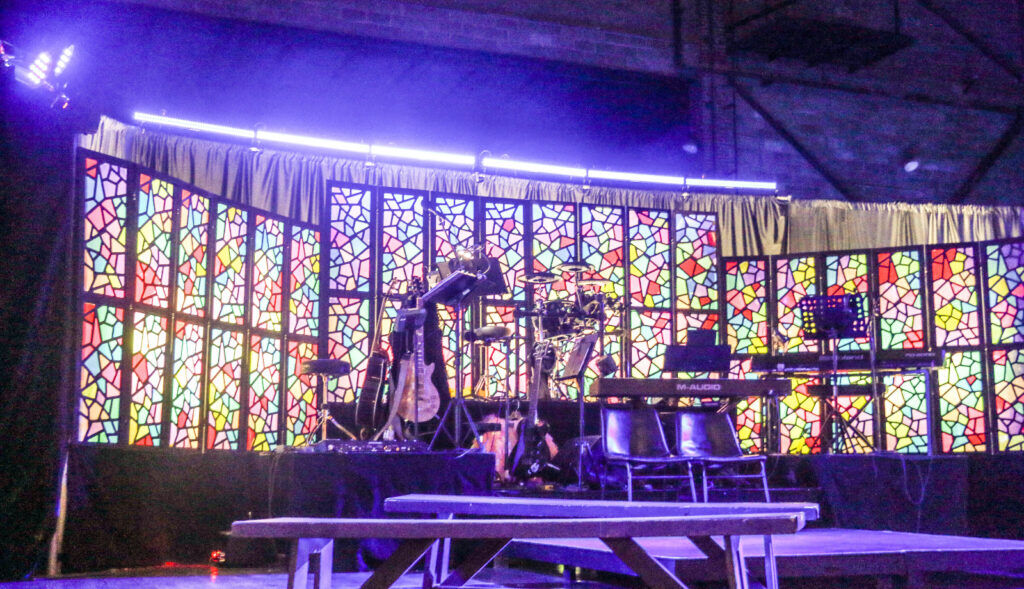
15. Mary Elitch (1856-36) and Mary Chase (1906-1981) represent the bookends of Colorado’s early theatrical history: One built the stage, the other built the masterpiece. Elitch co-founded Elitch Gardens in 1890 and in 1897 founded the country’s first and longest-running summer-stock theater company, which famed producer Cecil B. DeMille dubbed “The Cradle of the American Theatre.” The Elitch Theater hosted everyone from Grace Kelly to Vincent Price to Sarah Bernhardt to a 14-year-old stagehand named Douglas Fairbanks (No. 34 on our list). After 30 years, live theater has returned to its stage. Chase created one of the most beloved American plays of the 20th century when she wrote “Harvey,” the whimsical yet profound 1945 Pulitzer Prize-winning comedy about a man and his invisible 6-foot rabbit. Born in Denver, Chase found lifelong inspiration in the city’s neighborhoods and characters, beginning as a Rocky Mountain News reporter before becoming one of America’s most successful playwrights. “Harvey” ran for nearly five years on Broadway under the direction of Tony namesake Antoinette Perry (No. 48 on our list). In 1963, “Harvey” made its long-awaited debut on the Elitch Theatre stage.
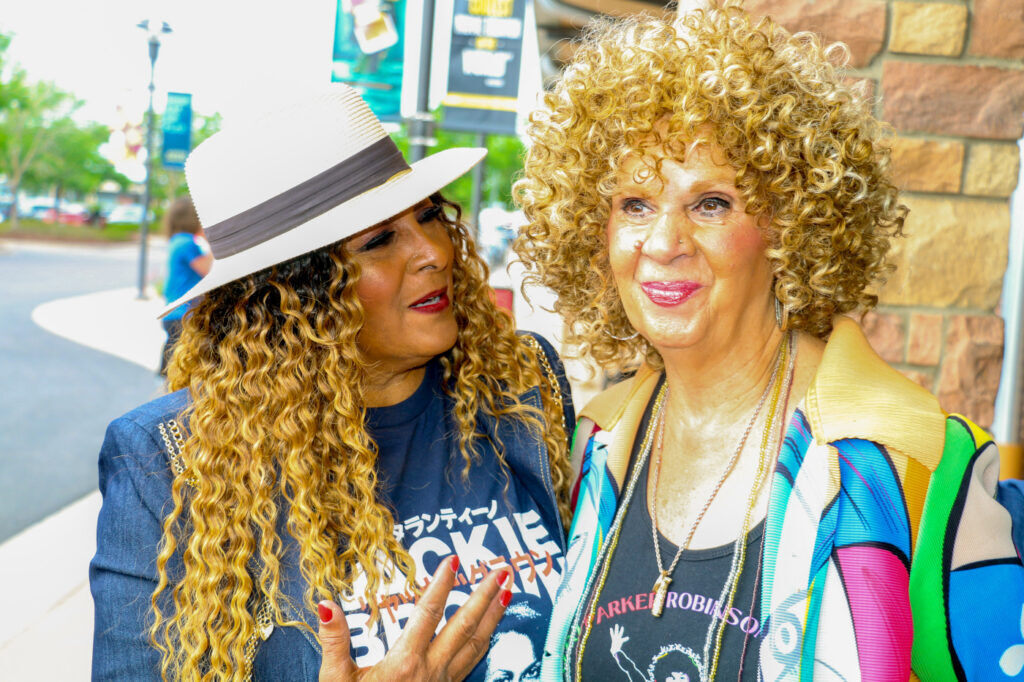
16. Pam Grier (b. 1949) is film’s first female action star, a tireless human-rights champion and Denver’s own – having grown up in Park Hill and attended both Denver East High School (class of 1968) and Metropolitan State University of Denver. Grier smashed racial and gender barriers in the 1970s with trailblazing roles in rebel classics like “Coffy” and “Foxy Brown.” She performed with the Denver Center Theatre Company in 1993 and enjoyed a spectacular film resurgence four years later starring in Quentin Tarantino’s “Jackie Brown.” Her hometown legacy was cemented in May when the Alamo Drafthouse renamed its Littleton venue the Pam Grier Cinema. “I was able to plant little seedlings in my films,” she said at the time. “Not of revenge – but of women’s empowerment.” “When I was coming up, I wanted to be a scientist, a zoologist. … My counselor told me I could be a secretary.”
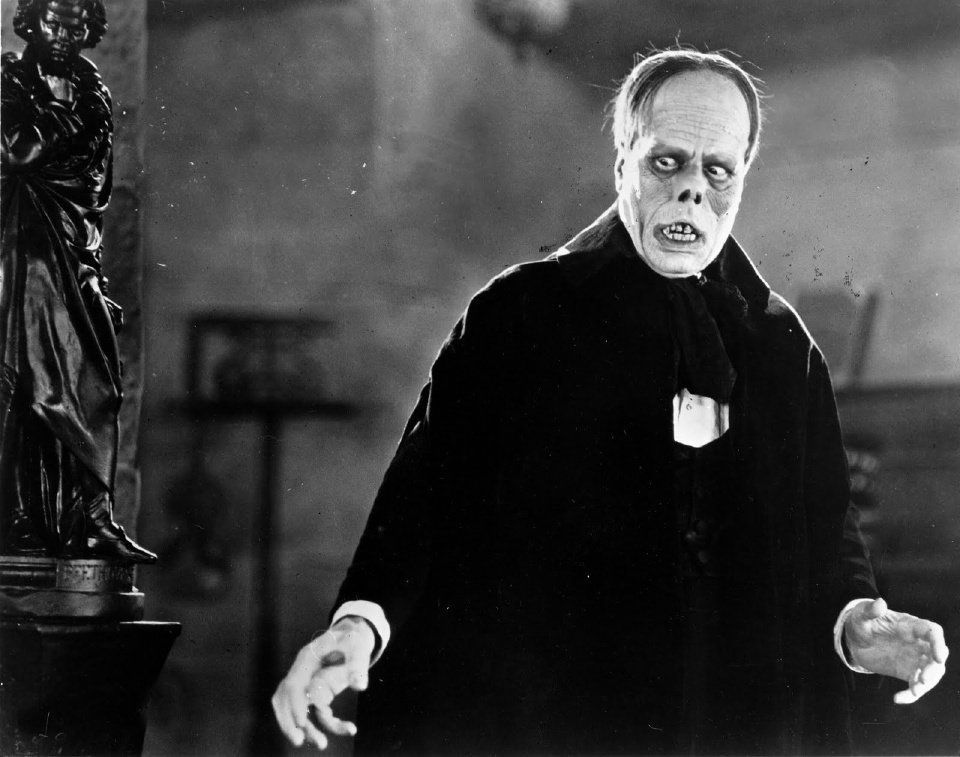
17. Lon Chaney (1883-1930) and Harold Lloyd (1893-71): Who would have guessed that Colorado produced two defining archetypes of silent cinema: the tragic outsider and the optimistic everyman? Chaney, Hollywood’s renowned “Man of a Thousand Faces,” was born to deaf parents in Colorado Springs, an experience that forged his mastery of pantomime, nonverbal communication and physical expression. Chaney, who left school at age 10 to tend to his bedridden mother, led Pikes Peak tours at 14 and entered show business as a teen stagehand at the Colorado Springs Opera House. In Hollywood, he revolutionized cinema by humanizing deformed outcasts in “The Hunchback of Notre Dame” and “The Phantom of the Opera.” Chaney’s maternal grandfather founded what is now the Colorado School for the Deaf and the Blind in 1874. That is where Chaney’s parents met, and where the superstar returned for an emotional homecoming in 1924. He died just six years later at age 47 from throat complications – a mere seven weeks after the release of his only talking film. Lloyd, who attended Denver East in 1911, pioneered sophisticated, thrill-infused comedy and was known for turning ordinary Americans into heroes overcoming extraordinary obstacles. His famous stunt sequences helped establish the language of physical comedy in film. “Harold Lloyd is so American,” granddaughter Suzanne Lloyd told me last year. “I mean, he did not come from New York. He came from Nebraska.”
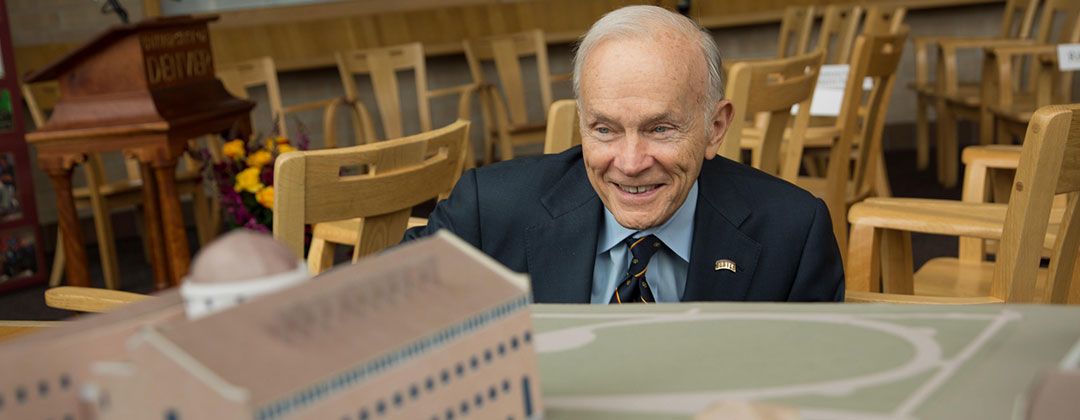
18. Uncommon CEO Daniel L. Ritchie (1931-2025) was comfortable on a cattle drive, in a boardroom or wearing a dress – if it helped sell a play for the Denver Center for the Performing Arts. The University of Denver’s “Chancellor Cowboy” was known for his philanthropy and passion for arts education. Ritchie steered both DU and the Denver Center for the Performing Arts from financial ruin. In all, he raised more than $700 million for DU, donating $75 million from his own fortune built through a long career in finance. In 2007, DCPA founder Donald Seawell convinced Ritchie to succeed him as chairman. “He was a theater leader, but was a theater lover, too,” said CEO Janice Sinden. In 2015, Ritchie cemented his cultural legacy by successfully leading the campaign to reauthorize the metro cultural tax known as SCFD.
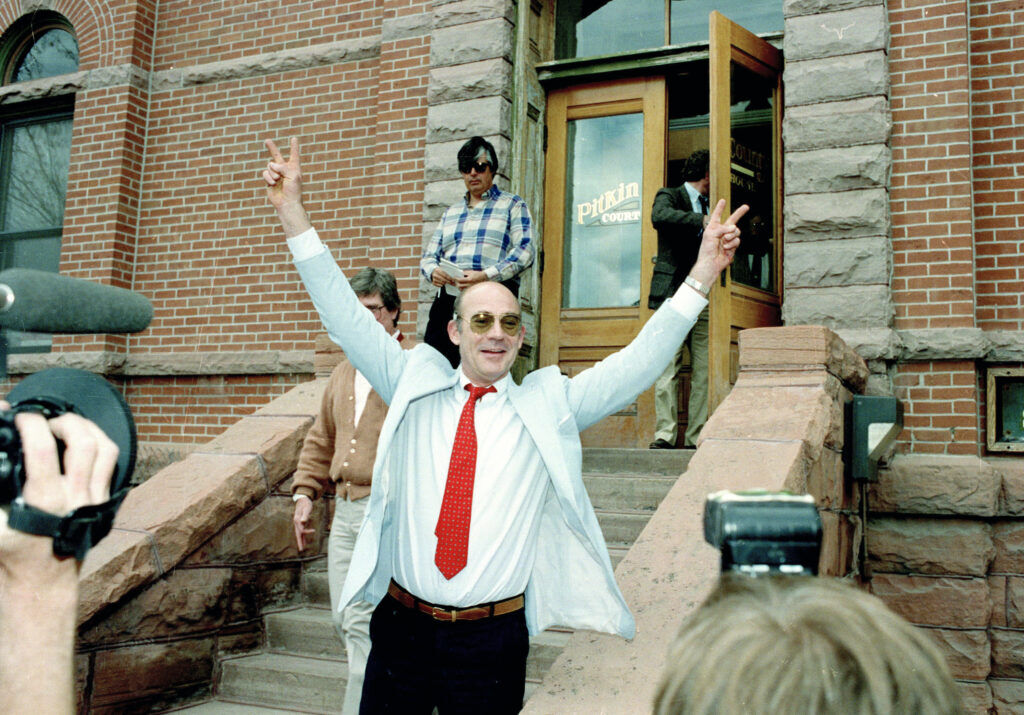
19. Colorado was never a freakier fun place to be than when counterculture author Hunter S. Thompson (1937-2005) ran for Pitkin County Sheriff in 1970. Running on the Freak Power ticket – promising to decriminalize personal drug use, ban asphalt and rename Aspen to “Fat City” – he took on corporate developers swallowing up the Roaring Fork Valley. The creator of gonzo journalism and author of “Fear and Loathing in Las Vegas” transformed the region into an epicenter of activism and eccentric bohemianism. Following his 2005 suicide at his 42-acre Owl Farm compound in Woody Creek, actor Johnny Depp arranged to have Thompson’s ashes blasted into the Colorado sky from a 153-foot custom tower shaped like a Gonzo fist.
20. Dalton Trumbo (1905-76) was a celebrated Hollywood screenwriter who became a central figure of the Hollywood Ten and was jailed during the Red Scare for refusing to answer government questions about his political ties. Trumbo, born in Montrose and raised in Grand Junction, was in the fourth grade when his mother became a Christian Scientist – he later wrote that his upbringing in her Western Slope church was “entirely responsible for my lack of fear.” Blacklisted, Trumbo secretly won two Academy Awards under pseudonyms for “Roman Holiday” and “The Brave ne.” He broke the blacklist in 1960 when he received open, public credit for “Spartacus” and “Exodus.” Trumbo remains an enduring symbol of free speech whose life was chronicled by Bryan Cranston in a 2015 biopic.
21. John Madden Jr. (1929-2024) was a visionary Denver real-estate developer and philanthropist who shaped the region’s cultural landscape, notably creating Fiddler’s Green Amphitheatre in 1988 as a massive “earth sculpture” right next to his signature Museum of Outdoor Arts. Operating with an “art first” philosophy, Madden integrated museum-quality fine art, Italian travertine marble and public spaces into commercial properties like Greenwood and Harlequin Plazas. Madden designed a business model where commercial concert revenues directly funded public art installations and community programming. Madden co-founded the Colorado Business Committee for the Arts (CBCA) to champion the economic impact of the arts and donated a landmark $10 million art collection to the University of Denver.
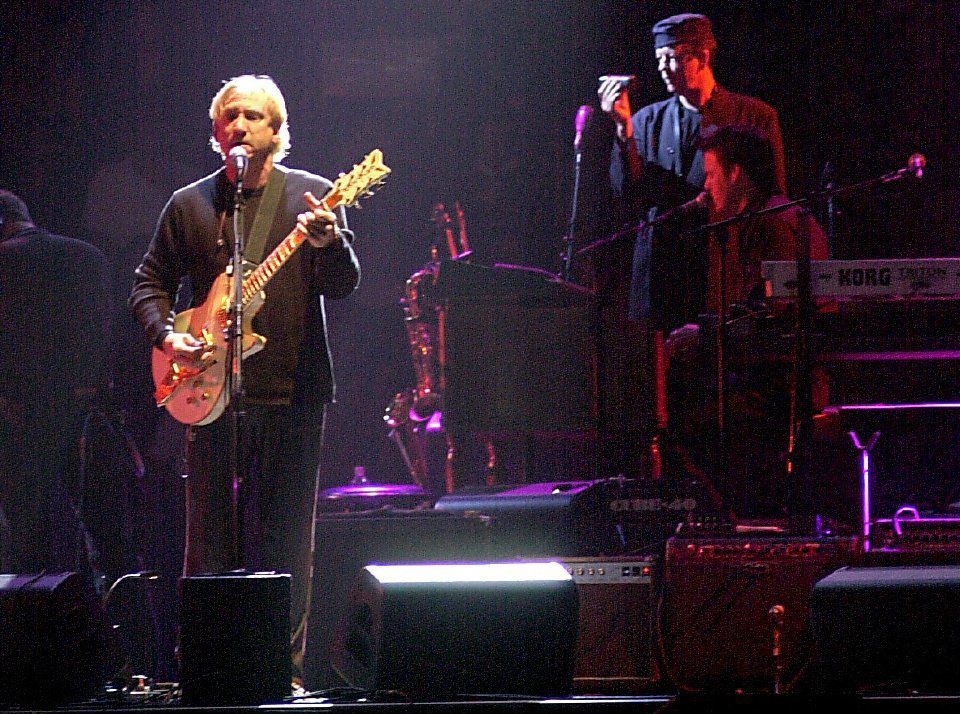
22. Eagles guitarist and songwriter Joe Walsh (b. 1947) spent only four years in Colorado, but his time here birthed a rock-and-roll masterpiece. Walsh told Rolling Stone the lyrics to “Rocky Mountain Way” hit him in a flash of inspiration while mowing his lawn in Nederland. He sprinted inside to write them down, leaving the mower running until it crashed into his neighbor’s yard and ate her prized rose bushes. The 1973 anthem also pioneered Walsh’s signature, robot-sounding “talk box” guitar effect. Beyond his solo work, Walsh formed the power trio Barnstorm and helped stress-test the facility that became the legendary Caribou Ranch recording studio. He moved to Los Angeles in 1975 to join the Eagles – replacing Bernie Leadon and injecting the country-tinged band with the hard-rock edge that fueled the classic 1976 album “Hotel California.”
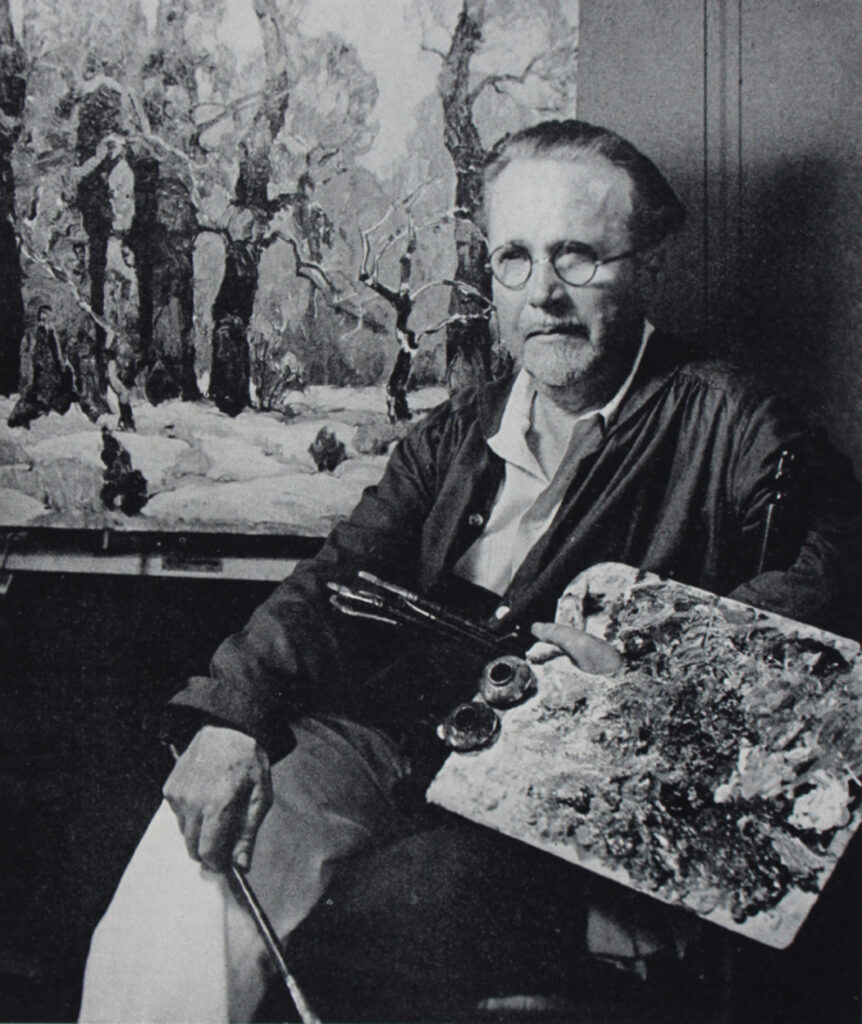
23. Painters John Fabian Carlson (1875-1945) and Clark Richert (1941-2021) represent two towering Colorado towers in the art world. Separated by more than 60 years on opposite sides of the canvas, these two teaching giants proved Colorado was a world-class incubator for creative communities. Carlson, a Swedish-born impressionist master, moved to Colorado in 1920 as the founding director of The Broadmoor Art Academy, which is now the Colorado Springs Fine Arts Center at Colorado College. He brought immense prestige to the Front Range, and his 1928 book, later reissued as “Carlson’s Guide to Landscape Painting,” remains a foundational art text. Conversely, Richert, considered by some “Colorado’s most important painter,” blew the art world wide open in 1965 by co-founding Drop City near Trinidad – the world’s first counterculture artist commune. His passion was to make art a spontaneous part of everyday life in what he considered “an increasingly materialistic and warmongering society.” Richert moved to Denver in the early 1980s and spent the next 30 years mentoring hundreds of regional painters at the Rocky Mountain College of Art and Design.
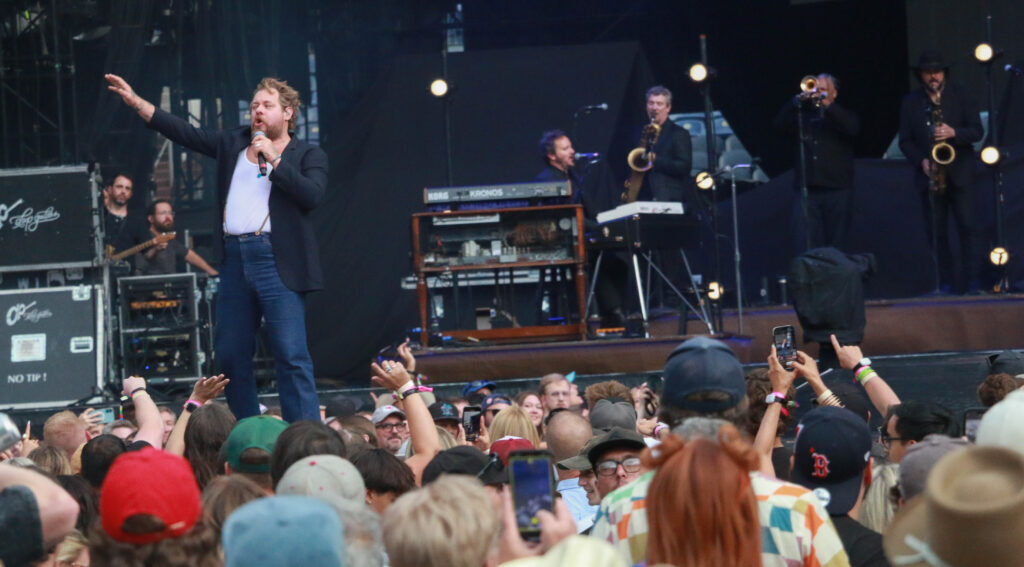
24. Nathaniel Rateliff (b. 1978): I used to conduct an annual industry poll asking which Colorado bands were most deserving of more mainstream recognition. Nathaniel Rateliff first appeared in 2004 with his band Born in the Flood at No. 132 of 340 bands. By 2007, they were No. 1 and headlining the music festival I co-founded, the Underground Music Showcase. Rateliff moved to Denver from rural Missouri in the early 2000s, grinding through local dive bars before exploding into superstardom in 2015 with his soulful, rowdy band Nathaniel Rateliff & The Night Sweats. Their debut album sold 750,000 copies, propelling them to 17 appearances at Red Rocks and 1.1 billion streams. Yet, he remains deeply embedded in the local landscape, co-owning the iconic Skylark Lounge and co-founding The Marigold Project – a social justice and mental-health foundation. I was invited to a small house party with Rateliff around 2015 and felt compelled to reintroduce myself. He stopped me and said, “You know, John, you don’t have to say your name every time. I know who you are” – which was about the best compliment ever. Still, to this day … I introduce myself. His wife is filmmaker Taylor Lynn McFadden (“Lovers”).
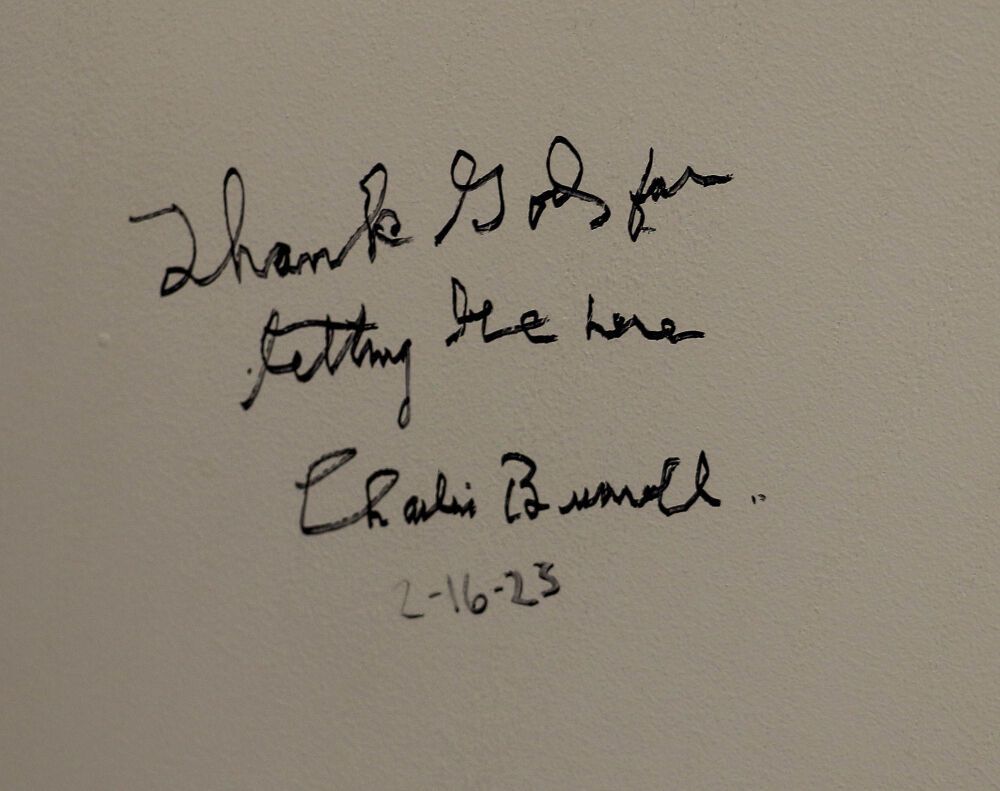
25. Jazz musician and World War II veteran Charles Burrell (1920-2025) is known as the Jackie Robinson of classical music for being the first person of color to sign a contract with a major symphony orchestra. Burrell, uncle to Grammy-winning vocalist Dianne Reeves (No. 9 on our list), was born in Ohio to a mother named Denverado – is it any wonder he moved here to join her in 1949? He almost immediately joined the Denver Symphony Orchestra but left in 1959 to teach at the San Francisco Conservatory of Music and break the color barrier at the San Francisco Symphony. He returned to Denver in 1965, playing with the Colorado Symphony and Central City Opera Orchestra until his retirement in 1999. Burrell, who passed away in 2025 at age 104, has both a K-12 arts-magnet school in Aurora and a 49-unit affordable-housing community in the Five Points neighborhood bearing his name. On the first anniversary of his death, students at the Charles Burrell Visual & Performing Arts Campus performed a memorial concert with members of the Charles Burrell String Quartet.
John Moore is The Gazette’s senior arts journalist. Email him at [email protected].
YOUR TWO CENTS: The Colorado 150 is a curated compilation of 150 seminal Colorado entertainers, writers, performers, artists, architects, creators, builders and cultural tastemakers — people who have left fingerprints on our culture in ways large and small over the past 150 years. We encourage you to send us comments, complaints and your own personal top 10 Colorado names to [email protected].
EDITOR’S NOTE: The Denver Gazette used a variety of research tools to determine, compile and compress the Colorado 150 into these capsule summaries, including newspaper databases, news services, the Denver Public Library, History Colorado and Google, which now integrates AI into its basic functionality.
Read the whole series:
- READ PART 1: Nos. 126-150
- READ PART 2: Nos. 101-125
- READ PART 3: Nos. 76-100
- READ PART 4: Nos. 51-75
- READ PART 5: Nos. 26-50
The rest of the list:
- 26. Ryan Tedder, Music
- 27. Kent Haruf, Author
- 28. Robert Redford, Actor
- 29. Alan Berg, Radio
- 30. Judy Collins, Music
- 31. Henry Lowenstein, Theater producer
- 32. Roseanne Barr, Comedy
- 33. Damon Runyon, Journalist and author
- 34. Antoinette Perry, Theater
- 35. Vance Kirkland, Artist
- 36. Ron Miles and Bill Frisell, Music
- 37. Rodolfo “Corky” Gonzales, Author
- 38. Harry Tuft, Music
- 39. Douglas Fairbanks, Actor
- 40. Helen Henderson Chain, Artist
- 41. Marin Alsop, Classical music
- 42. Tommy Bolin, Music
- 43. Patty Calhoun, Journalist
- 44. Max Morath, Ragtime, TV
- 45. Buffalo Bill Cody, Entertainer
- 46. Joe Cocker, Music
- 47. Townes Van Zandt, Music
- 48. Kelly Bishop, Actor
- 49. Bob Dylan, Music
- 50. Bob Palmer, TV Anchor
- 51. Chuck Morris and Barry Fey
- 52. James Hetfield, Metallica
- 53. Sugarloaf, Music
- 54. Tom Noel and Phil Goodstein, Historians
- 55. Helen Langworthy, Builder
- 56. Gus Van Sant and Rian Johnson
- 57. Charles Partridge Adams, Artist
- 58. Hal Moore and Charley Martin, Radio
- 59. Amy Adams, Actor
- 60. John Fielder, Photography
- 61. Don Cheadle, Actor
- 62. Jello Biafra, Music
- 63. Marilyn Van Derbur, Author
- 64. Raymond Burr and Tom Bosley, Actors
- 65. Wesley Schultz, Music
- 66. Jeffrey Nickelson, Theater director and actor
- 67. Annaleigh Ashford, Actor
- 68. Antonia Brico, Conductor
- 69. Josh Blue, Comedy
- 70. John Carroll Lynch, Actor
- 71. Big Head Todd and the Monsters, Band
- 72. Bowen Yang, Actor
- 73. John Oates, Music
- 74. Chris Daniels, Music
- 75. Paul Epstein, Twist & Shout
- 76. Woody Paige, Journalist
- 77. William Henry Jackson and Robert Adams, Photographers
- 78. Jenna Bainbridge, Beth Malone and Sierra Boggess, Broadway actors
- 79. Gregory Alan Isakov, Musician
- 80. Kevin Costner, Actor
- 81. Isaac Slade, Musician
- 82. donnie l. Betts, Theater and film
- 83. Leftover Salmon, Band
- 84 Andrea Gibson, Colorado Poet Laureate
- 85. Ralph Edwards, Television
- 86. Michael Martin Murphey, Musician
- 87. Baxter Black, Cowboy Poet
- 88. DeVotchKa, Band
- 89. Frank Welker, Actor
- 90. Pogo Poge (Morgan Branch White), Radio and TV
- 91. Dan Fogelberg, Musician
- 92. Bill Murray, Actor
- 93. Thomas “Detour” Evans, Muralist
- 94. Keri Russell, Actor
- 95. The Astronauts, Band
- 96. Kali Fajardo-Anstine, Author
- 97. Tim Allen, Actor
- 98. India Arie, Music
- 99. Tom Tully, Actor
- 100. Kristin Schaal, Actor
- 101. Ed Dwight, Sculptor
- 102. Bob Martin, Radio
- 103. Firefall, Band
- 104. Cassandra Peterson, Actor
- 105. Melissa Benoist, Actor
- 106. Freddi-Henchi Band
- 107. Carlos Lando, Radio
- 108. Jill Sobule. Musician
- 109. Flobots, Band
- 110. Dave Logan, Radio
- 111. Donovan Marley, Theater
- 112. Mandy Patinkin, Actor
- 113. Hazel Miller, Musician
- 114. Yonder Mountain String Band
- 115. Nick and Helen Forster, Radio
- 116. Mandy Moore, Choreography
- 117. Bret Saunders, Radio
- 118. AnnaSophia Robb, Actor
- 119. The Grawlix: Adam Cayton-Holland, Andrew Orvedahl and Ben Roy, Comedy
- 120. John Edward Williams, Actor
- 121. 3OH!, Music
- 122. Sheryl Lee, Actor
- 123. Peter Heller, Author
- 124. Ken Curtis, Actor
- 125. Kalyn Rose Heffernan, Musician
- 126. Blinky the Clown, TV
- 127. Lowell Thomas, TV
- 128. Maya Lin, Architect
- 129. Gene Amole, TV, radio and newspapers
- 130. String Cheese Incident, Band
- 131. Philip K. Dick, Author
- 132. Tony Garcia, Theater
- 133. Irv Brown, Radio
- 134. Nitty Gritty Dirt Band
- 135. Luis Alfonso Jiménez Jr., Artist
- 136. Otis Taylor, Musician
- 137. Pete Smythe, TV and Radio
- 138. Garrett Ammon and Dawn Fay, Dance
- 139. Illenium, Electronic Music
- 140. Reynelda Muse, TV
- 141. Andrew Novick, Provocateur
- 142. Lynne Taylor-Corbett, Choreographer
- 143. Lonnie Hanzon, Artist
- 144. Thomas Hornsby Ferril, Poet
- 145. Tig Notaro, Comedy
- 146. Ji-young Yoo, Actor
- 147. Pat Milbery, Artist
- 148. Lannie Garrett, Performer
- 149. Sandra Dallas, Author
- 150. Rich Moore and Mollie O’Brien